
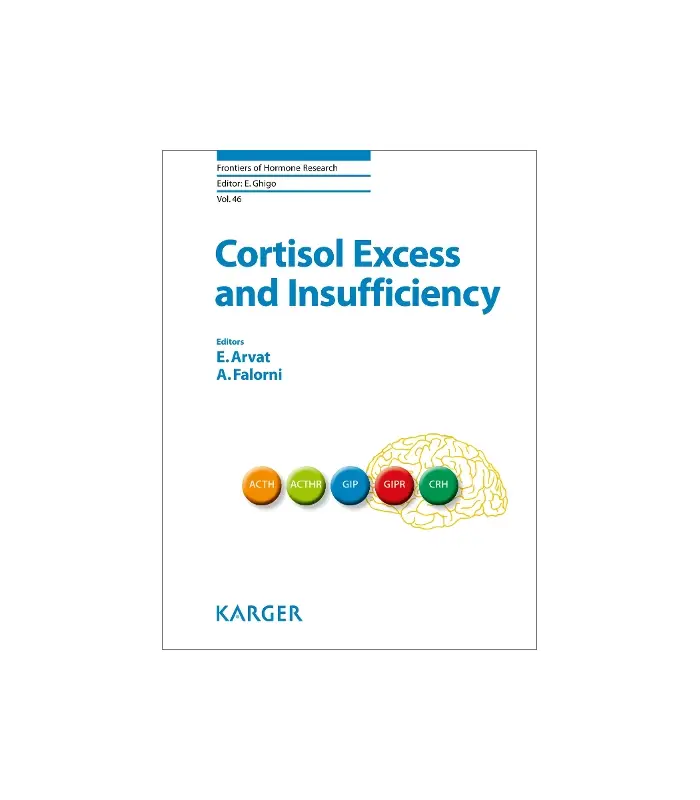
Cortisol Excess and Insufficiency
Cortisol is a vital glucocorticoid hormone produced by the zona fasciculata of the adrenal cortex under the regulation of the hypothalamic–pituitary–adrenal (HPA) axis. It plays a central role in maintaining metabolic homeostasis, modulating immune and inflammatory responses, supporting cardiovascular function, and enabling the body to adapt to physical and psychological stress. Disorders of cortisol secretion, whether excess or deficiency, lead to significant morbidity and can be life-threatening if not recognized and treated promptly.
Cortisol Excess
Cortisol excess is most commonly referred to as Cushing syndrome, a condition characterized by prolonged exposure to elevated glucocorticoid levels. It may be exogenous, resulting from chronic administration of glucocorticoid medications, or endogenous, due to excessive cortisol production by the adrenal glands.
Endogenous Cushing syndrome is further classified into ACTH-dependent and ACTH-independent forms. ACTH-dependent causes include Cushing disease, where a pituitary adenoma secretes excess adrenocorticotropic hormone (ACTH), and ectopic ACTH secretion from nonpituitary tumors such as small cell lung carcinoma. ACTH-independent causes arise from adrenal adenomas, carcinomas, or bilateral adrenal hyperplasia.
Clinically, cortisol excess manifests with a characteristic constellation of features. Patients often present with central obesity, moon facies, dorsocervical fat pad (buffalo hump), purple abdominal striae, proximal muscle weakness, and thin, fragile skin with easy bruising. Metabolic consequences include hyperglycemia, insulin resistance, dyslipidemia, and hypertension. Cortisol’s catabolic effects contribute to osteoporosis and increased fracture risk. Neuropsychiatric manifestations such as depression, anxiety, irritability, and cognitive impairment are common. Immunosuppression increases susceptibility to infections, while reproductive dysfunction may lead to menstrual irregularities or hypogonadism.
Diagnosis of cortisol excess involves biochemical confirmation using tests such as the low-dose dexamethasone suppression test, late-night salivary cortisol, and 24-hour urinary free cortisol measurement. Once hypercortisolism is confirmed, ACTH levels and imaging studies help identify the underlying cause. Treatment depends on etiology and may include surgical removal of the source, radiotherapy, or pharmacological agents that inhibit cortisol synthesis or action.
Cortisol Insufficiency
Cortisol insufficiency, or adrenal insufficiency, occurs when cortisol production is inadequate to meet physiological needs. It may be primary, secondary, or tertiary, depending on the level of dysfunction within the HPA axis.
Primary adrenal insufficiency, also known as Addison disease, results from intrinsic adrenal gland failure. In developed countries, autoimmune adrenalitis is the most common cause, while infections such as tuberculosis remain important globally. Other causes include adrenal hemorrhage, metastatic infiltration, and genetic disorders affecting steroidogenesis. In primary adrenal insufficiency, both cortisol and aldosterone secretion are typically impaired.
Secondary adrenal insufficiency arises from deficient ACTH secretion due to pituitary disease, while tertiary adrenal insufficiency results from hypothalamic dysfunction or prolonged suppression of the HPA axis following chronic glucocorticoid therapy. In secondary and tertiary forms, aldosterone secretion is usually preserved.
The clinical presentation of cortisol deficiency is often insidious and nonspecific, leading to delayed diagnosis. Common symptoms include fatigue, weakness, weight loss, anorexia, nausea, and abdominal pain. Patients may experience postural hypotension, dizziness, and salt craving. In primary adrenal insufficiency, hyperpigmentation of the skin and mucous membranes occurs due to elevated ACTH levels stimulating melanocyte receptors. Electrolyte abnormalities such as hyponatremia, hyperkalemia, and hypoglycemia are more prominent in primary disease.
A severe and life-threatening complication is the adrenal crisis, characterized by acute hypotension, shock, hypoglycemia, electrolyte disturbances, and altered mental status, often precipitated by stress, infection, trauma, or abrupt withdrawal of glucocorticoids.
Diagnosis relies on demonstrating low cortisol levels and assessing adrenal reserve, commonly using the ACTH stimulation test. Measurement of ACTH levels helps distinguish primary from secondary causes. Imaging and autoimmune markers may aid in identifying the underlying etiology.
Management involves lifelong glucocorticoid replacement therapy, typically with hydrocortisone, and mineralocorticoid replacement in primary adrenal insufficiency. Patient education on stress-dose steroid adjustment and emergency management is essential to prevent adrenal crises.
Conclusion
Cortisol excess and insufficiency represent opposite ends of adrenal dysfunction but share significant systemic consequences. Early recognition, accurate diagnosis, and appropriate management are critical to reducing morbidity and mortality. Understanding the physiological role of cortisol and the mechanisms underlying its dysregulation provides a foundation for effective clinical care and improved patient outcomes.





Reviews
There are no reviews yet