



Concise Pediatric and Adolescent Hepatology: (16 Pediatric and Adolescent Medicine)
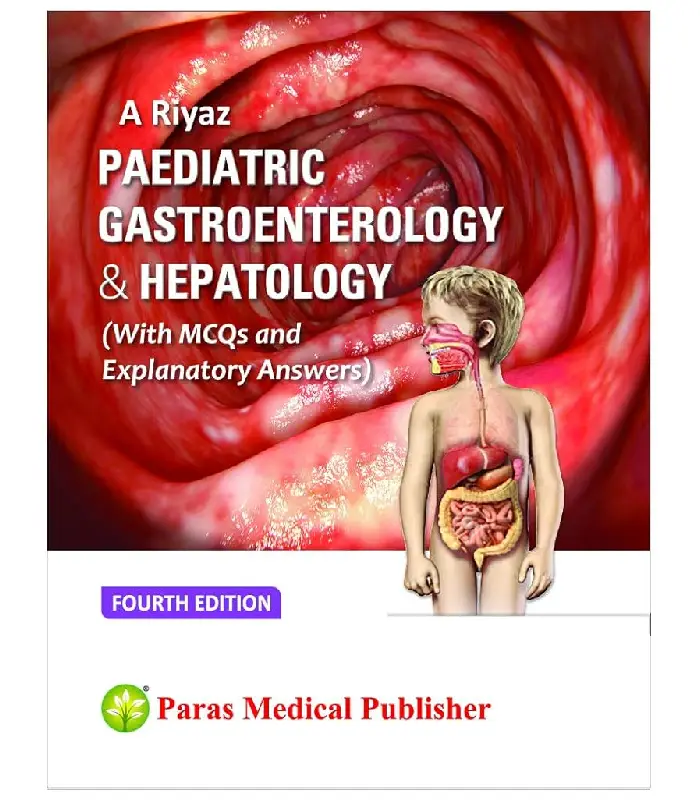
Concise Pediatric and Adolescent Hepatology is Volume 16 in the respected Pediatric and Adolescent Medicine series, a collection known for delivering focused, clinically relevant updates in child health. This volume provides a compact yet comprehensive overview of liver diseases affecting infants, children, and adolescents. Designed for pediatricians, pediatric gastroenterologists, hepatologists, trainees, and allied healthcare professionals, the book bridges foundational science with everyday clinical practice.
The text begins with an overview of liver anatomy and physiology in the pediatric population, highlighting how developmental differences influence disease presentation and management. Neonatal liver function, bile metabolism, and enzymatic immaturity are explained to help readers understand why liver disorders in infants can differ significantly from those in adults. The book emphasizes that pediatric hepatology is not merely a smaller version of adult hepatology, but a distinct discipline with unique diagnostic and therapeutic challenges.
A central focus of the volume is neonatal cholestasis, one of the most urgent concerns in pediatric liver disease. The authors discuss early recognition, differential diagnosis, and timely intervention. Conditions such as biliary atresia, neonatal hepatitis, metabolic disorders, and genetic cholestatic syndromes are explored in detail. Practical guidance is provided on interpreting liver function tests, imaging studies, and liver biopsy findings. The importance of early referral for surgical evaluation in suspected biliary atresia is underscored, as timely intervention significantly improves outcomes.
The book also examines viral hepatitis in children, including hepatitis A, B, and C infections. Epidemiology, modes of transmission (including vertical transmission), vaccination strategies, and evolving antiviral therapies are reviewed. Special attention is given to chronic hepatitis B and C in adolescents, with discussion of long-term monitoring and treatment considerations. The role of immunization programs in reducing disease burden is clearly emphasized.
Metabolic and genetic liver disorders form another major section. The text discusses Wilson disease, alpha-1 antitrypsin deficiency, glycogen storage diseases, and mitochondrial hepatopathies. For each condition, pathogenesis, clinical features, diagnostic algorithms, and management strategies are presented in a concise and structured format. The integration of molecular diagnostics and genetic testing is highlighted as a growing area of importance in pediatric hepatology.
Autoimmune liver diseases, including autoimmune hepatitis and primary sclerosing cholangitis, are also covered. The authors describe clinical presentation, laboratory markers such as autoantibodies, histological findings, and immunosuppressive treatment protocols. The association between autoimmune liver disease and inflammatory bowel disease in children is discussed, illustrating the interconnected nature of pediatric immune-mediated conditions.
Nonalcoholic fatty liver disease (NAFLD) in children and adolescents receives dedicated attention, reflecting its increasing prevalence worldwide. The book explores risk factors such as obesity, insulin resistance, and sedentary lifestyles. Diagnostic challenges, including the limitations of liver enzymes and imaging, are addressed. Lifestyle modification remains the cornerstone of therapy, but emerging pharmacologic treatments are briefly reviewed.
Acute liver failure in childhood is presented as a medical emergency requiring rapid assessment and multidisciplinary care. Causes such as viral infections, drug-induced liver injury, metabolic diseases, and autoimmune processes are discussed. The book outlines stabilization measures, prognostic indicators, and criteria for liver transplantation.
Liver transplantation in children is covered in a practical and accessible manner. Indications, surgical considerations, immunosuppressive regimens, and long-term follow-up are described. Advances in living donor transplantation and improved survival outcomes demonstrate the progress made in this field over recent decades.
Throughout the volume, the writing is clear and clinically oriented. Tables, algorithms, and summary boxes enhance quick reference and learning. The concise format allows readers to grasp essential information efficiently without sacrificing depth. Evidence-based recommendations are integrated throughout, ensuring relevance to modern practice.
In conclusion, Concise Pediatric and Adolescent Hepatology provides a focused and authoritative overview of liver disorders in young patients. By combining scientific insight with practical guidance, it equips clinicians with the knowledge necessary to diagnose early, manage effectively, and improve outcomes for children and adolescents with liver disease. As part of the Pediatric and Adolescent Medicine series, this volume stands as a valuable reference in the evolving field of pediatric hepatology.






Reviews
There are no reviews yet