
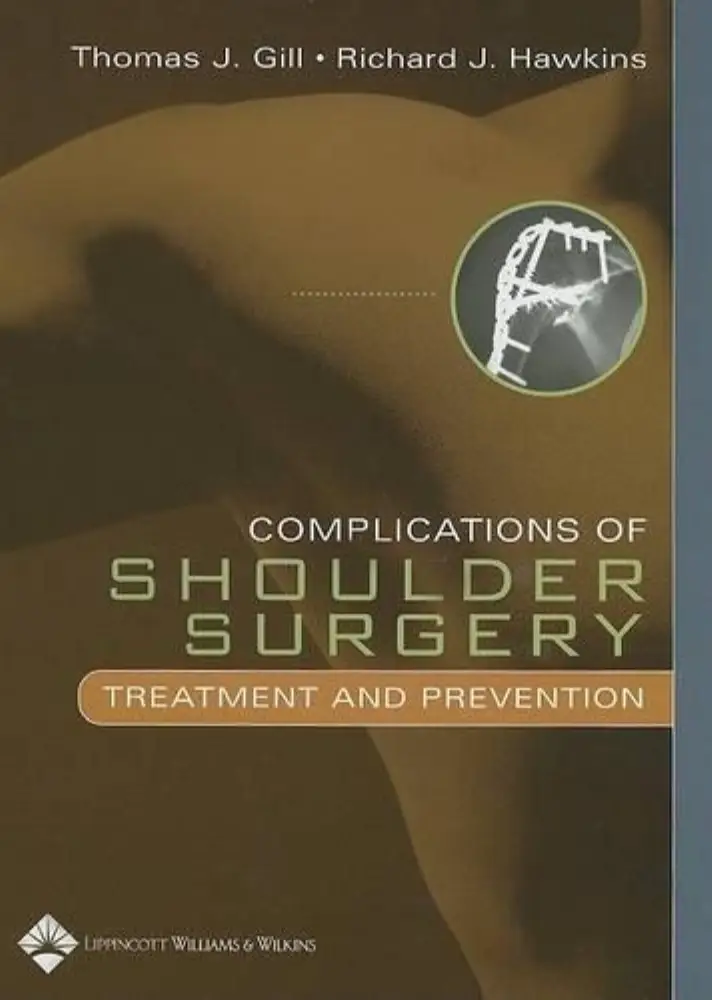


Complications of Shoulder Surgery: Treatment and Prevention (570 words)
Shoulder surgery is widely performed to treat conditions such as rotator cuff tears, shoulder instability, fractures, arthritis, and impingement syndromes. With advancements in arthroscopic and open surgical techniques, patient outcomes have significantly improved. However, complications remain an important concern and can affect recovery, function, and overall patient satisfaction. A thorough understanding of these complications, along with strategies for their prevention and management, is crucial.
One of the most significant complications is infection, which may be superficial or deep. Deep infections involving the joint can lead to severe pain, stiffness, and long-term dysfunction. Risk factors include prolonged surgery, poor sterile technique, diabetes, and immunosuppression. Preventive measures include strict asepsis, prophylactic antibiotics, and minimizing operative time. Treatment typically involves antibiotics, and in more serious cases, surgical irrigation and debridement.
Postoperative stiffness is another common complication, often resulting from prolonged immobilization or excessive scar tissue formation. Patients may experience restricted range of motion and pain. Early mobilization and adherence to physiotherapy protocols are key preventive measures. Treatment options include structured physical therapy, anti-inflammatory medications, and, if necessary, manipulation under anesthesia or arthroscopic capsular release.
Nerve injuries, though relatively uncommon, can have serious consequences. The axillary, suprascapular, and musculocutaneous nerves are particularly at risk during shoulder procedures. These injuries may result from traction, compression, or direct surgical trauma. Prevention relies on precise surgical technique and careful positioning of the patient. Management depends on the severity of the injury and may range from observation and rehabilitation to surgical nerve repair.
Failure of repair or re-tear, especially in rotator cuff surgeries, is another concern. Factors such as large tear size, poor tissue quality, and non-compliance with rehabilitation protocols increase the risk. Preventive strategies include careful patient selection, meticulous surgical technique, and structured postoperative rehabilitation. Treatment may involve conservative management or revision surgery, depending on the severity of symptoms.
Hardware-related complications may occur in procedures involving implants such as anchors, screws, or plates. Problems can include loosening, breakage, migration, or irritation of surrounding tissues. Prevention involves appropriate implant selection and correct placement during surgery. Symptomatic cases may require removal or revision of the hardware.
Recurrent instability or dislocation can occur after stabilization procedures. This may result from inadequate repair, poor healing, or reinjury. It is more common in younger, active individuals. Preventive measures include accurate surgical technique and strict adherence to postoperative restrictions. Management may involve physiotherapy or revision surgery.
Although rare, vascular injuries can occur during shoulder surgery and may lead to serious complications such as hematoma or compromised blood supply. Prevention requires a thorough understanding of vascular anatomy and careful intraoperative technique. Immediate recognition and prompt intervention are essential for successful management.
Thromboembolic events, including deep vein thrombosis (DVT) and pulmonary embolism, are uncommon but potentially life-threatening complications. Risk factors include prolonged immobilization and underlying medical conditions. Preventive strategies include early mobilization, hydration, and anticoagulation in high-risk patients.
Persistent postoperative pain is another concern and may arise from incomplete healing, nerve irritation, or conditions such as complex regional pain syndrome (CRPS). Prevention includes accurate diagnosis, appropriate surgical planning, and effective pain control strategies. Treatment often requires a multidisciplinary approach involving medications, physiotherapy, and sometimes psychological support.
In conclusion, while shoulder surgery is generally safe and effective, complications can still occur and must be carefully managed. Prevention depends on meticulous surgical technique, proper patient selection, and adherence to rehabilitation protocols. Early diagnosis and timely intervention play a vital role in minimizing long-term morbidity and ensuring optimal functional outcomes for patients.



Reviews
There are no reviews yet