
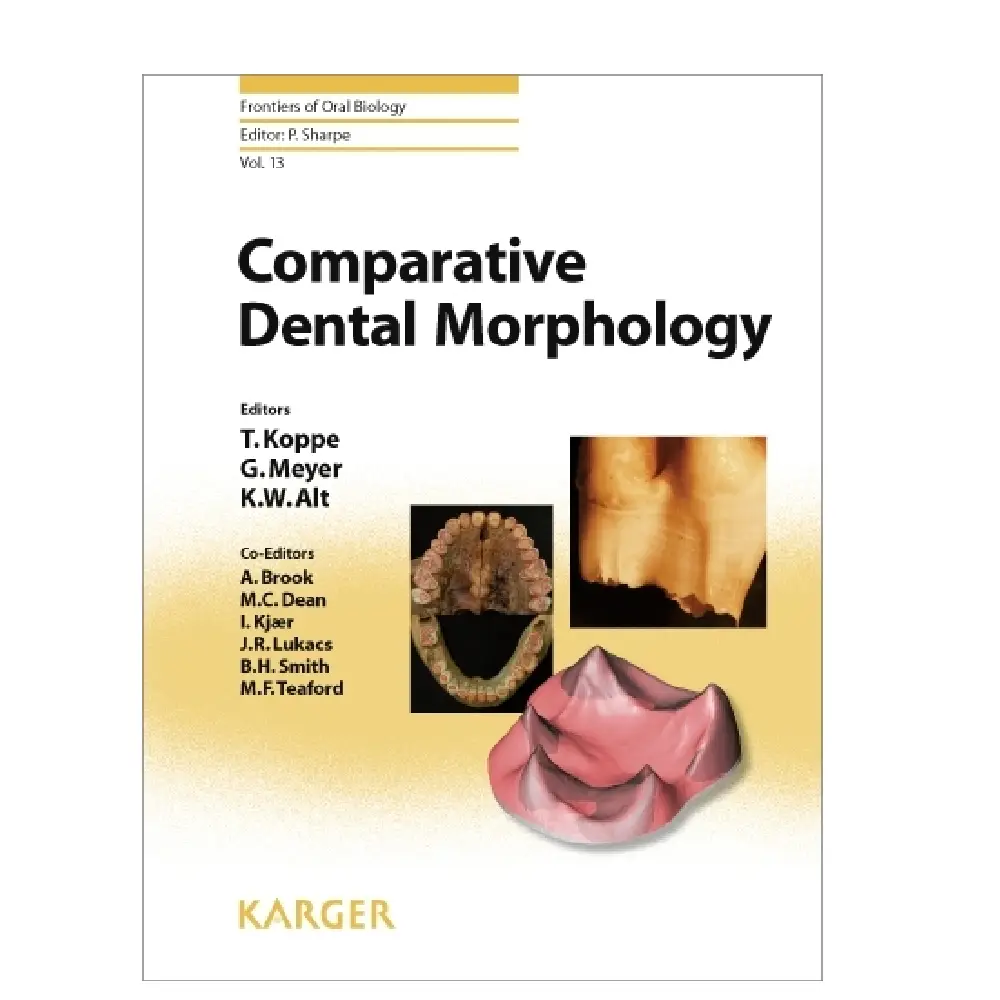


Comparative Dental Morphology
Comparative dental morphology is the scientific study of the form, structure, and variation of teeth across different species, populations, and evolutionary lineages. Teeth are among the most durable structures in the vertebrate body, preserving well in the fossil record and retaining detailed information about development, function, diet, and phylogeny. As a result, comparative dental morphology plays a crucial role in disciplines such as anthropology, paleontology, evolutionary biology, dentistry, and forensic science.
Foundations of Dental Morphology
Dental morphology focuses on the shape, size, number, and arrangement of teeth, as well as detailed features such as cusps, ridges, grooves, roots, and enamel patterns. In mammals, dentition is typically heterodont, meaning different tooth types—incisors, canines, premolars, and molars—are specialized for distinct functions such as cutting, tearing, and grinding.
Comparative studies analyze both metric traits (tooth size and proportions) and non-metric traits (presence or absence of specific morphological features). These traits are influenced by genetic, developmental, functional, and environmental factors, making teeth powerful indicators of biological relationships and adaptive strategies.
Evolutionary Significance
One of the primary contributions of comparative dental morphology is its value in understanding evolutionary relationships. Changes in tooth shape and structure often reflect evolutionary adaptations to diet and feeding behavior. For example, carnivorous mammals typically possess sharp cusps and shearing crests suited for meat consumption, while herbivores exhibit broad, flat occlusal surfaces designed for grinding plant material. Omnivores show intermediate patterns.
In primate and human evolution, dental morphology provides critical insights into dietary shifts and phylogenetic relationships. The reduction of canine size, changes in molar cusp patterns, and alterations in enamel thickness have been used to trace evolutionary transitions from early hominins to modern humans. Fossil teeth are frequently the best-preserved remains, making dental morphology a cornerstone of paleoanthropological research.
Developmental and Genetic Influences
Tooth development, or odontogenesis, is a complex process regulated by genetic signaling pathways and interactions between epithelial and mesenchymal tissues. Comparative dental morphology examines how genetic variation influences dental form across species and populations. Variations in genes involved in tooth development can result in differences in cusp number, crown shape, and root morphology.
Developmental timing also plays a role. Differences in eruption patterns, tooth replacement, and growth rates reflect species-specific life history strategies. For instance, species with rapid maturation often exhibit early tooth eruption, while those with prolonged developmental periods show delayed dental development.
Functional and Ecological Adaptations
Dental morphology is closely linked to function and ecology. Tooth wear patterns, enamel thickness, and occlusal surface complexity provide information about diet, feeding mechanics, and habitat use. Comparative analysis of dental microwear and macrowear helps distinguish between different feeding behaviors, such as grazing, browsing, or hard-object feeding.
Aquatic mammals, such as dolphins, show homodont dentition with uniform conical teeth adapted for grasping prey, while rodents possess continuously growing incisors specialized for gnawing. These examples illustrate how natural selection shapes dental form in response to ecological demands.
Applications in Anthropology and Forensic Science
In physical anthropology, comparative dental morphology is widely used to study population variation, migration patterns, and biological affinity. Non-metric dental traits are especially valuable because they are highly heritable and less influenced by environmental factors than skeletal traits.
In forensic science, dental morphology assists in human identification, estimation of ancestry, and age assessment. Unique dental traits, restorations, and morphological patterns can provide critical information when other forms of identification are unavailable.
Clinical and Dental Relevance
Comparative dental morphology also has implications for clinical dentistry and orthodontics. Understanding normal variation in tooth shape and size aids in diagnosis, treatment planning, and restorative procedures. Knowledge of root morphology is essential for endodontic treatment, while crown morphology influences occlusion and prosthetic design.
Conclusion
Comparative dental morphology is a multidisciplinary field that bridges biology, anthropology, and clinical science. By examining the diversity and evolution of dental form, it provides valuable insights into evolutionary history, functional adaptation, population biology, and human health. Teeth serve as a durable and informative record of biological processes, making comparative dental morphology an indispensable tool for understanding both the past and present diversity of vertebrate life.

Reviews
There are no reviews yet