
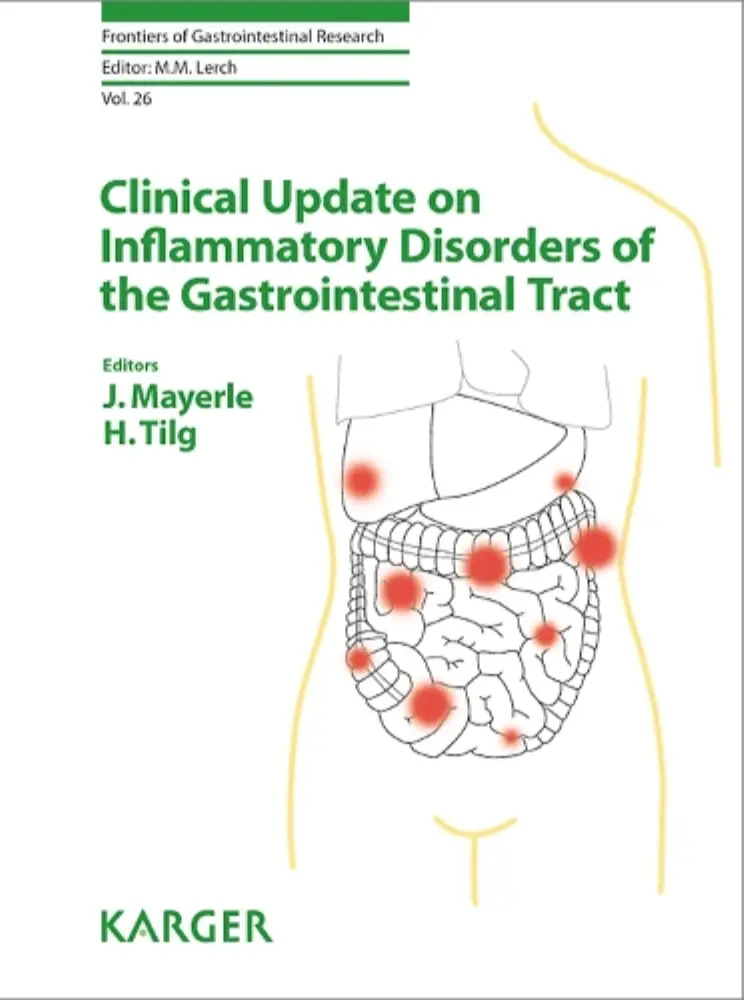
Clinical Update On Inflammatory Disorders Of The Gastrointestinal Tract
Clinical Update on Inflammatory Disorders of the Gastrointestinal Tract provides a comprehensive and up-to-date overview of the pathophysiology, diagnosis, and management of inflammatory conditions affecting the digestive system. These disorders, which include inflammatory bowel disease (IBD), infectious enterocolitis, and immune-mediated conditions, represent a significant global health burden due to their chronic nature, impact on quality of life, and increasing incidence worldwide.
The book begins by outlining the basic mechanisms of inflammation within the gastrointestinal (GI) tract. It explains how the immune system interacts with the gut microbiota and intestinal epithelium to maintain homeostasis. Disruption of this balance—due to genetic susceptibility, environmental triggers, or microbial imbalance—can lead to persistent inflammation. The text highlights the role of cytokines, immune cells, and signaling pathways in driving inflammatory responses, providing a strong foundation for understanding disease processes.
A major focus is placed on inflammatory bowel diseases, particularly Crohn’s disease and ulcerative colitis. These chronic conditions are discussed in detail, including their epidemiology, clinical presentation, and complications. The book explains how Crohn’s disease can affect any part of the GI tract and often involves transmural inflammation, whereas ulcerative colitis is typically limited to the colon and involves superficial mucosal inflammation. Differences in symptoms, such as abdominal pain, diarrhea, rectal bleeding, and systemic manifestations, are clearly described to aid clinical recognition.
The diagnostic approach to GI inflammatory disorders is another key aspect of the text. It covers a range of tools, including endoscopy, imaging studies, and laboratory tests. Techniques such as colonoscopy allow direct visualization of mucosal changes and enable biopsy for histopathological examination. Biomarkers like C-reactive protein (CRP) and fecal calprotectin are discussed as non-invasive methods for assessing disease activity and monitoring response to treatment.
The book also explores infectious causes of gastrointestinal inflammation, including bacterial, viral, and parasitic infections. It explains how pathogens disrupt normal gut function and trigger inflammatory responses. Special attention is given to differentiating infectious enterocolitis from chronic inflammatory diseases, as this distinction is crucial for appropriate treatment.
Management strategies are presented in a practical and clinically relevant manner. The text outlines pharmacological treatments such as aminosalicylates, corticosteroids, immunomodulators, and biologic therapies. Biologics, including anti-tumor necrosis factor (TNF) agents, have revolutionized the treatment of IBD by targeting specific components of the immune response. The book discusses indications, mechanisms of action, and potential side effects of these therapies.
Nutritional support and lifestyle modifications are also emphasized as important components of management. Patients with chronic GI inflammation often experience malnutrition, requiring dietary interventions and supplementation. The role of enteral nutrition, probiotics, and personalized diet plans is explored to improve patient outcomes.
In addition, the book addresses complications such as strictures, fistulas, and increased risk of colorectal cancer in long-standing inflammatory conditions. Surgical interventions are discussed as necessary options in severe or refractory cases. The importance of regular monitoring and multidisciplinary care is highlighted to ensure comprehensive patient management.
Recent advances and future directions form an important part of the discussion. The book explores emerging therapies, including novel biologics, small-molecule drugs, and microbiome-based treatments. Advances in precision medicine and genetic research are expected to further refine treatment strategies and improve patient outcomes.
Overall, Clinical Update on Inflammatory Disorders of the Gastrointestinal Tract serves as a valuable resource for clinicians, gastroenterologists, and students. By integrating current research with clinical practice, it provides a thorough understanding of these complex disorders and supports evidence-based decision-making in patient care.




Reviews
There are no reviews yet