
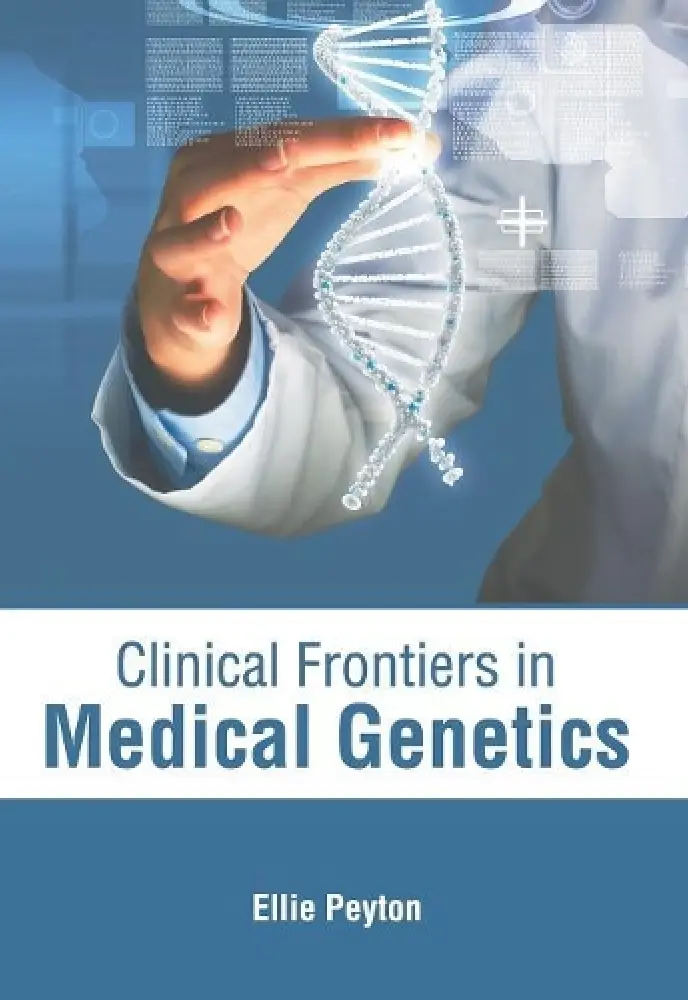


Clinical Frontiers in Medical Genetics is an advanced and insightful resource that explores the rapidly evolving landscape of genetic medicine and its transformative impact on clinical practice. The book brings together cutting-edge research, clinical applications, and emerging technologies, offering readers a comprehensive understanding of how genetics is reshaping diagnosis, treatment, and prevention of diseases.
At its core, the text emphasizes the transition of genetics from a primarily research-based discipline to a central component of modern healthcare. It highlights how advances in genomic technologies, such as next-generation sequencing, have revolutionized the ability to identify genetic mutations associated with a wide range of disorders. These innovations have enabled clinicians to move beyond symptom-based diagnosis toward a more precise, molecular understanding of disease.
One of the key strengths of the book is its focus on personalized or precision medicine. By analyzing an individual’s genetic profile, healthcare providers can tailor treatments that are more effective and have fewer side effects. The book discusses how pharmacogenomics—the study of how genes influence drug response—is being integrated into clinical settings to optimize medication choices and dosages. This approach not only improves patient outcomes but also reduces the risk of adverse drug reactions.
The book also explores the clinical applications of genetics in various medical specialties. In oncology, for example, genetic testing is used to identify mutations that drive cancer growth, allowing for targeted therapies that specifically attack cancer cells while sparing healthy tissue. In cardiology, genetic insights help in the early detection of inherited heart conditions, enabling timely intervention and management. Similarly, in neurology, genetic studies are shedding light on complex disorders such as Alzheimer’s disease and epilepsy, opening new avenues for treatment.
Another important aspect covered is prenatal and reproductive genetics. The text explains how techniques such as prenatal screening and preimplantation genetic diagnosis allow for the detection of genetic abnormalities before birth. These technologies provide prospective parents with valuable information, helping them make informed decisions about pregnancy and family planning. Ethical considerations surrounding these practices are also discussed in depth, emphasizing the need for careful counseling and respect for patient autonomy.
The book delves into the role of genetic counseling as an essential component of clinical genetics. Genetic counselors help patients understand the implications of genetic testing, interpret results, and navigate the psychological and social challenges associated with genetic conditions. Effective communication is highlighted as a critical skill, ensuring that complex genetic information is conveyed in a clear and compassionate manner.
In addition to clinical applications, Clinical Frontiers in Medical Genetics addresses the broader societal and ethical implications of genetic advancements. Issues such as privacy, data security, and potential discrimination based on genetic information are examined. The book underscores the importance of establishing robust ethical frameworks and regulatory policies to guide the responsible use of genetic technologies.
The integration of artificial intelligence and bioinformatics in genetic research is another forward-looking topic discussed in the text. These tools are enhancing the ability to analyze large genomic datasets, identify patterns, and predict disease risk with greater accuracy. As these technologies continue to evolve, they are expected to play an increasingly important role in clinical decision-making.
Overall, Clinical Frontiers in Medical Genetics serves as a valuable resource for medical students, clinicians, researchers, and healthcare professionals interested in the future of medicine. Its comprehensive coverage of both foundational concepts and emerging trends makes it an essential guide to understanding how genetics is transforming healthcare. By bridging the gap between laboratory discoveries and clinical practice, the book highlights the immense potential of genetics to improve patient care and advance medical science.



Reviews
There are no reviews yet