

Cardiology and Angiology
Cardiology and angiology are two closely related but distinct branches of medicine focused on the cardiovascular system — the heart and the network of blood vessels that circulate blood throughout the body. Together, they form a foundational part of cardiovascular medicine, helping clinicians diagnose, treat, and prevent diseases that affect heart and vascular health.
What Is Cardiology?
Cardiology is the medical specialty dedicated to the structure, function, diagnosis, and treatment of the heart and its associated blood vessels. This includes not just the four chambers of the heart, but also components such as the heart valves, electrical conduction system, and the coronary arteries that supply blood to the heart muscle itself. The term “cardiology” comes from the Greek “kardia” (heart) and “‑logy” (study).
Cardiologists, who are physicians specializing in this field, manage a broad range of heart conditions, including:
-
Coronary artery disease — narrowing or blockage of coronary vessels that can lead to angina or heart attack.
-
Heart failure — when the heart cannot pump blood effectively.
-
Arrhythmias — disorders of heart rhythm, such as atrial fibrillation or ventricular tachycardia.
-
Valvular heart disease — dysfunction of one or more heart valves affecting blood flow.
-
Congenital heart defects — structural abnormalities present from birth.
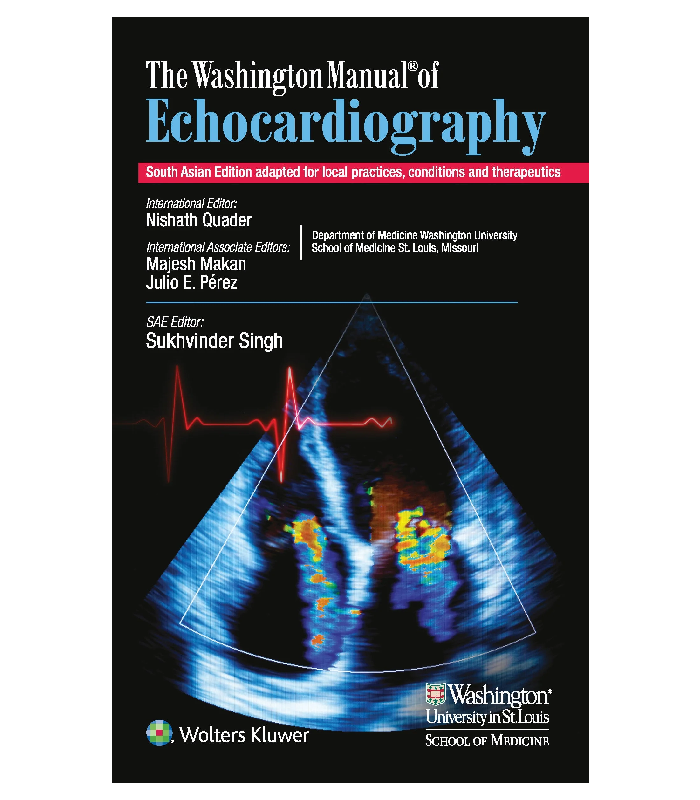
Cardiology employs a range of diagnostic tools such as electrocardiography (ECG), echocardiography (heart ultrasound), stress testing, and cardiac catheterization to assess cardiac function. Treatments may include medications, lifestyle modification, minimally invasive interventions like angioplasty and stenting, and device therapies such as pacemakers or defibrillators.
What Is Angiology?
Angiology — also known as vascular medicine — is the medical specialty concerned with the study, diagnosis, and treatment of diseases of the blood vessels and lymphatic system. Its domain includes arteries, veins, and lymphatic vessels throughout the body.
While cardiology focuses mainly on the heart and its immediate vessels (especially the coronary arteries), angiology expands this focus to include:
-
Peripheral arterial disease (PAD) — narrowing or blockage of arteries outside the heart, often in the legs.
-
Deep vein thrombosis (DVT) — formation of clots in deep veins, usually of the legs.
-
Chronic venous insufficiency — a condition where leg veins struggle to return blood to the heart efficiently.
-
Lymphatic disorders — problems affecting lymphatic vessels, leading to swelling and impaired immune function.
Angiologists use diagnostic techniques such as Doppler ultrasound, plethysmography, and advanced imaging (like CTA and MRA) to assess blood flow and vessel integrity. Notably, these specialists play a vital role in preventive care, early diagnosis, and long‑term management of vascular disease, especially in patients at high cardiovascular risk due to diabetes, hypertension, or smoking.
How Cardiology and Angiology Intersect
The cardiovascular system functions as an integrated network: the heart pumps blood, and vessels distribute it to all tissues and organs. Because of this, cardiology and angiology often overlap and collaborate in clinical practice.
For example:
-
Coronary artery disease — though primarily a cardiac issue managed by cardiologists, its underlying cause, atherosclerosis, also affects peripheral arteries, often requiring vascular assessment and intervention.
-
Hypertension — elevated blood pressure affects both the heart and peripheral vessels, making coordinated care essential.
-
Aortic disease — issues such as aneurysms may involve both cardiac and vascular expertise for diagnosis and treatment.
-
Stroke and cerebrovascular disease — require understanding of both heart rhythms (to identify sources of emboli) and vessel integrity in the neck and brain.
In many advanced medical centers, cardiologists and angiologists work together under a “heart team” approach to optimize care for conditions that span both disciplines — for example, complex vascular disease requiring coordinated imaging, medical management, and interventional procedures.
Clinical Scope and Importance
Both cardiology and angiology are critical because cardiovascular diseases remain among the leading causes of death worldwide. Disorders such as coronary heart disease, stroke, and peripheral vascular disease collectively contribute to significant morbidity and healthcare burden. Comprehensive care involving both specialties enhances early detection, prevention, and individualized management plans.
Preventive strategies — such as lipid control, blood pressure management, diabetes treatment, smoking cessation, diet, and exercise — are central to both disciplines. Early vascular assessment in at‑risk individuals can often prevent progression to life‑threatening events. Similarly, cardiologists emphasize lifestyle changes and pharmacological therapy to prevent heart attacks and heart failure progression.
Conclusion
In summary, cardiology and angiology are two complementary medical specialties that together cover the comprehensive care of the cardiovascular system. Cardiology focuses on the heart and its immediate vessels, diagnosing and treating heart disease and rhythm disorders, while angiology addresses the broader network of blood vessels and lymphatics throughout the body. Both are essential for effective patient care, emphasizing preventive measures, accurate diagnosis, advanced intervention, and coordinated long‑term management to reduce the global burden of cardiovascular and vascular diseases.


Reviews
There are no reviews yet