
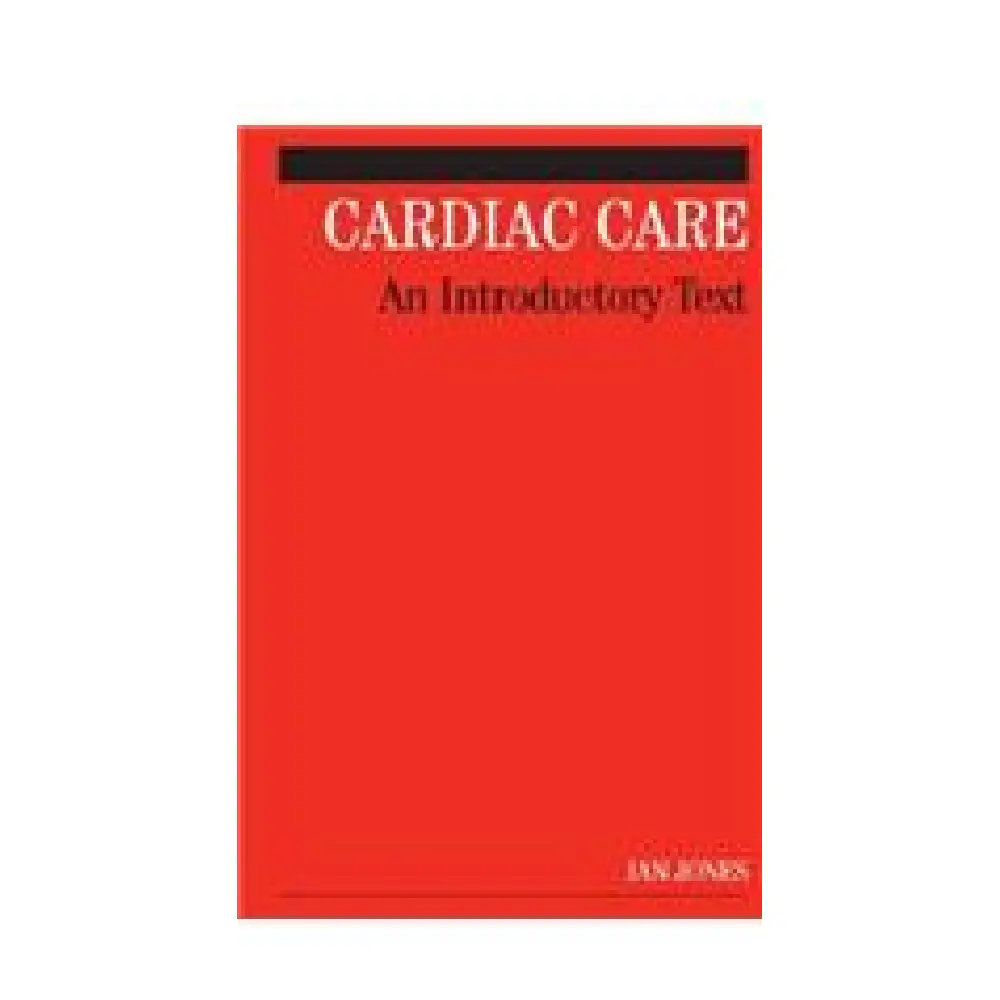
Cardiac Care: An Introductory Text
Cardiac Care: An Introductory Text is a foundational clinical resource edited by Ian D. Jones, designed to support nurses, allied health professionals, and students entering the field of cardiovascular care. The book provides a structured and accessible introduction to the principles and practice of caring for patients with heart disease, combining core scientific knowledge with practical clinical guidance. It is particularly valuable for those working in coronary care units, cardiac wards, emergency departments, and step-down units.
The text begins with a clear explanation of cardiac anatomy and physiology, ensuring that readers understand the normal structure and function of the heart before exploring disease processes. It covers electrical conduction, cardiac output regulation, coronary circulation, and the mechanisms underlying blood pressure control. By building this scientific foundation, the book prepares readers to better understand the pathophysiology of common cardiac disorders.
A significant portion of the book is devoted to coronary artery disease and acute coronary syndromes, including unstable angina and myocardial infarction. The authors outline risk factors such as hypertension, diabetes, hyperlipidemia, smoking, and sedentary lifestyle. Emphasis is placed on early recognition of symptoms, interpretation of electrocardiograms (ECGs), and the timely initiation of evidence-based interventions. Readers are guided through pharmacological management strategies, including antiplatelet agents, thrombolytics, beta-blockers, ACE inhibitors, and statins, along with nursing responsibilities in monitoring therapeutic effects and adverse reactions.
Arrhythmias and their management are also thoroughly discussed. The text explains common rhythm disturbances such as atrial fibrillation, ventricular tachycardia, and heart block. Practical instruction is provided on ECG monitoring, recognizing life-threatening rhythms, and understanding the principles of defibrillation, cardioversion, and pacing. The nursing role in continuous cardiac monitoring and emergency response is clearly outlined, reinforcing the importance of vigilance and rapid clinical decision-making.
Heart failure is another major focus of the book. It describes both acute and chronic heart failure, detailing underlying causes, clinical manifestations, and treatment options. The authors discuss pharmacological therapy, fluid balance management, oxygen therapy, and patient education strategies. Special attention is given to patient self-management, including diet modification, medication adherence, symptom monitoring, and lifestyle changes aimed at preventing disease progression and hospital readmissions.
The book also addresses diagnostic procedures and interventions commonly encountered in cardiac care. These include echocardiography, cardiac catheterization, angioplasty, and coronary artery bypass grafting. The text outlines pre- and post-procedural nursing care, patient preparation, and potential complications. By presenting these procedures in a clear and systematic manner, the book enhances reader confidence in supporting patients undergoing invasive cardiac investigations and treatments.
Rehabilitation and secondary prevention form an essential component of the text. The authors emphasize holistic care, considering not only the physical aspects of heart disease but also the psychological and social impacts. Cardiac rehabilitation programs, risk factor modification, stress management, and patient counseling are presented as integral elements of comprehensive cardiac care. This patient-centered approach underscores the importance of long-term health promotion and collaborative multidisciplinary teamwork.
Throughout the book, clinical case studies and practical examples are used to connect theory with real-world practice. These case scenarios encourage critical thinking and help readers apply their knowledge in complex clinical situations. The writing style is clear and accessible, making it suitable for both undergraduate students and practicing clinicians seeking to refresh their understanding.
One of the strengths of Cardiac Care: An Introductory Text is its emphasis on evidence-based practice. The content reflects contemporary clinical guidelines and highlights the importance of continual professional development in a rapidly evolving specialty. Ethical considerations, communication skills, and patient advocacy are also addressed, reinforcing the broader professional responsibilities of cardiac care practitioners.
In summary, Cardiac Care: An Introductory Text serves as a comprehensive and practical guide for those involved in cardiovascular nursing and patient management. By integrating scientific foundations, clinical application, and holistic patient care principles, it equips healthcare professionals with the essential knowledge and skills required to deliver safe, effective, and compassionate cardiac care.

Reviews
There are no reviews yet