
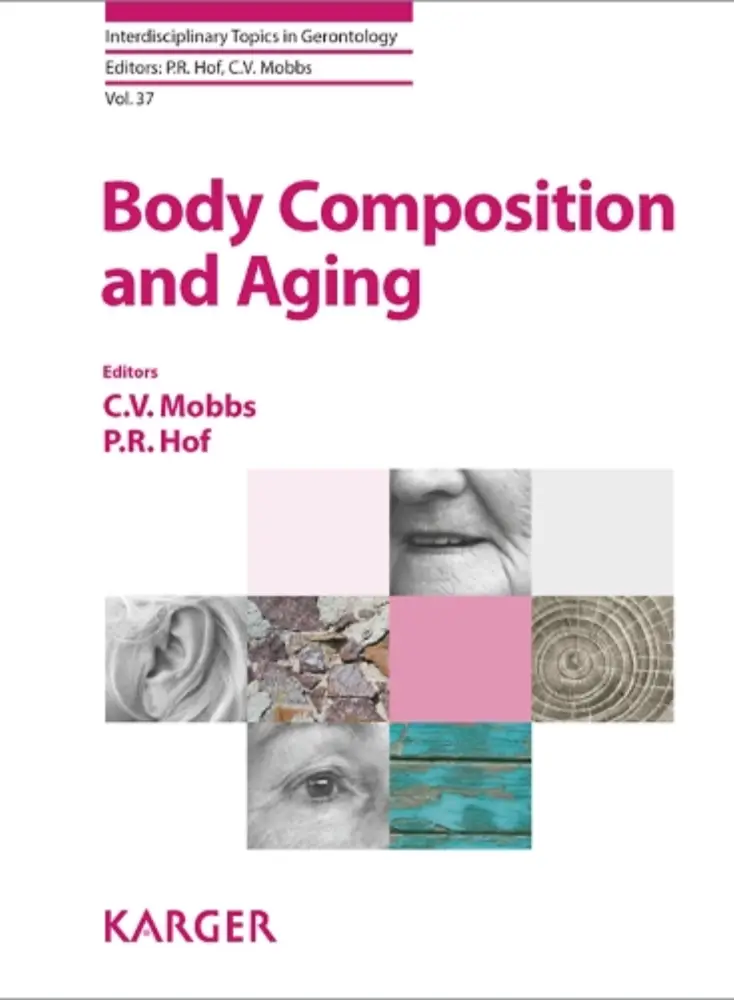

Body Composition and Aging
Body Composition and Aging, part of the Interdisciplinary Topics in Gerontology series, is a comprehensive academic resource that explores the physiological, clinical, and public health aspects of changes in body composition across the lifespan, with a special focus on aging populations. The book integrates perspectives from gerontology, nutrition, endocrinology, and physiology to provide a multidimensional understanding of how the human body changes with age and how these changes influence health outcomes.
One of the central themes of the book is the alteration in body composition that occurs as individuals grow older. Aging is associated with a gradual decline in lean body mass, particularly skeletal muscle, and an increase in fat mass, especially visceral adiposity. This phenomenon, often referred to as Sarcopenia, is a major concern because it leads to reduced strength, impaired mobility, and increased risk of falls and disability. The book discusses the biological mechanisms underlying sarcopenia, including hormonal changes, reduced physical activity, chronic inflammation, and alterations in protein metabolism.
In addition to muscle loss, the redistribution of body fat is a key focus. Older adults tend to accumulate fat in the abdominal region, which is strongly associated with metabolic complications such as insulin resistance, cardiovascular disease, and type 2 diabetes. The book highlights how these changes are not merely cosmetic but have significant implications for morbidity and mortality. It also explains the concept of “normal weight obesity,” where individuals may have a normal body mass index (BMI) but a high percentage of body fat, increasing their health risks.
The methods used to assess body composition are thoroughly explored. Techniques such as dual-energy X-ray absorptiometry (DEXA), bioelectrical impedance analysis (BIA), computed tomography (CT), and magnetic resonance imaging (MRI) are discussed in detail. Each method’s advantages, limitations, and clinical applications are explained, helping clinicians and researchers select appropriate tools for different settings. Accurate assessment is essential for diagnosing conditions like sarcopenia and obesity and for monitoring changes over time.
The book also delves into the role of nutrition in maintaining healthy body composition during aging. Adequate protein intake, micronutrients, and overall dietary quality are emphasized as key factors in preserving muscle mass and function. The authors discuss dietary strategies to counteract muscle loss, including the timing and distribution of protein intake and the role of supplementation. The interplay between nutrition and physical activity is highlighted as a critical determinant of healthy aging.
Physical activity, particularly resistance training, is presented as one of the most effective interventions for mitigating age-related changes in body composition. The book provides evidence supporting the benefits of exercise in increasing muscle mass, improving strength, and reducing fat accumulation. It also addresses barriers to physical activity in older adults and suggests practical approaches to promote adherence.
Hormonal and metabolic factors are another important area of discussion. Aging is associated with changes in hormones such as growth hormone, testosterone, estrogen, and insulin-like growth factor-1 (IGF-1), all of which influence body composition. The book examines how these hormonal shifts contribute to muscle loss and fat gain and explores potential therapeutic interventions, including hormone replacement therapy, while also considering associated risks.
Clinical implications are a major focus throughout the text. Changes in body composition are linked to a range of health outcomes, including frailty, disability, and chronic diseases. The book emphasizes the importance of early detection and intervention to prevent or delay these adverse outcomes. It also highlights the need for individualized care plans that consider the unique needs and conditions of older adults.
Finally, the book underscores the importance of an interdisciplinary approach to studying and managing body composition in aging. Collaboration among healthcare professionals, including physicians, nutritionists, physiotherapists, and researchers, is essential for developing effective strategies to promote healthy aging.
In conclusion, Body Composition and Aging provides a thorough and insightful exploration of how aging affects the human body. By combining scientific research with practical applications, it serves as a valuable resource for understanding and addressing the challenges associated with aging and body composition.


Reviews
There are no reviews yet