
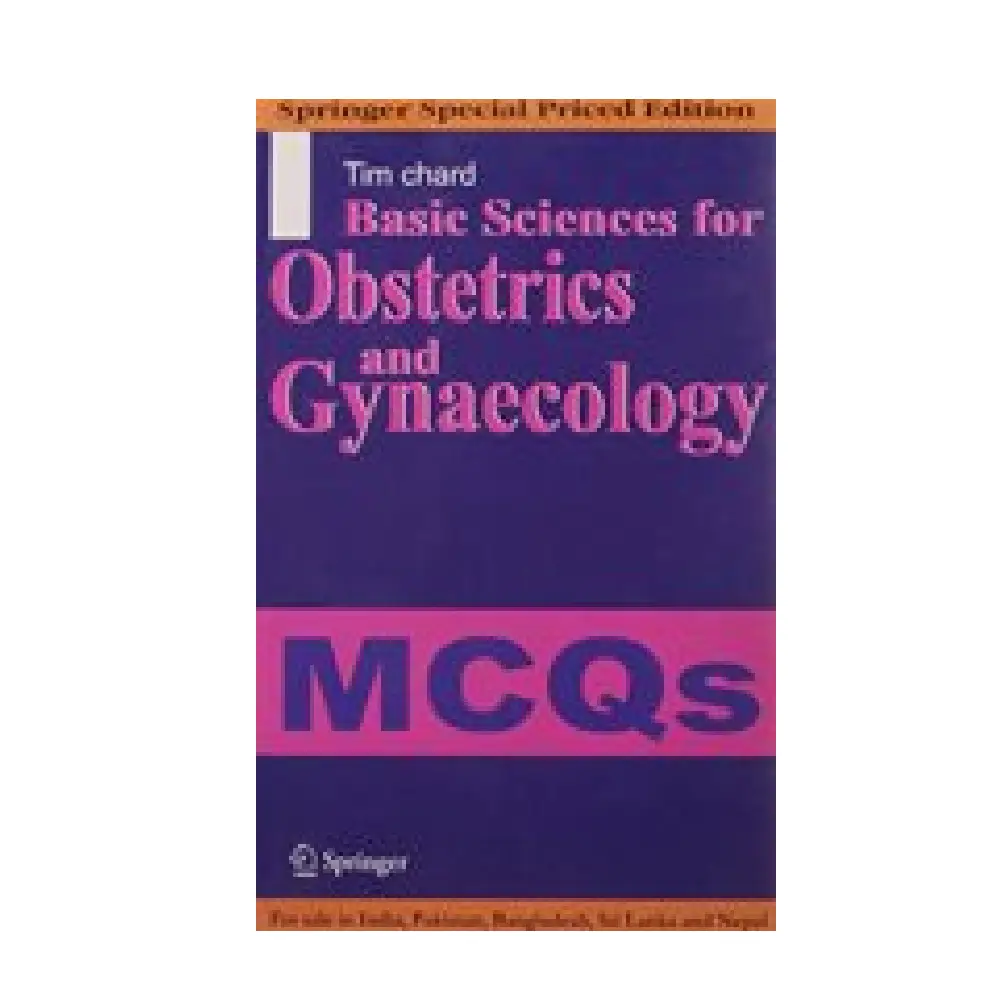
Basic Sciences for Obstetrics and Gynaecology
Basic Sciences for Obstetrics and Gynaecology is a foundational textbook designed to bridge the gap between core medical sciences and clinical practice in obstetrics and gynecology. It is particularly valuable for postgraduate trainees (MD/MS/DNB), candidates preparing for entrance and exit examinations, and clinicians seeking to strengthen their understanding of the scientific principles underlying women’s health.
Obstetrics and gynecology rely heavily on a strong grasp of anatomy, physiology, biochemistry, pathology, microbiology, pharmacology, genetics, and endocrinology. This book integrates these disciplines and contextualizes them within reproductive medicine, pregnancy, and gynecological disorders.
Anatomy and Embryology
The anatomical section focuses on the pelvis, reproductive organs, pelvic floor, blood supply, lymphatic drainage, and nerve innervation. Understanding surgical anatomy is crucial for procedures such as cesarean section, hysterectomy, and pelvic reconstructive surgery.
Embryology forms the backbone of understanding congenital anomalies. The book explains gametogenesis, fertilization, implantation, placental development, and organogenesis. Developmental abnormalities such as Müllerian duct anomalies, ambiguous genitalia, and disorders of sexual differentiation are described with embryological correlations.
Physiology
Reproductive physiology is central to obstetrics and gynecology. The text details:
-
Hypothalamic–pituitary–ovarian axis regulation
-
Menstrual cycle physiology
-
Ovulation mechanisms
-
Hormonal changes in pregnancy
-
Lactation physiology
It explains endocrine feedback loops and hormonal interactions that govern fertility, pregnancy maintenance, and menopause. Understanding these mechanisms helps clinicians interpret menstrual irregularities, infertility, and endocrine disorders like polycystic ovarian syndrome (PCOS).
Biochemistry and Molecular Biology
Biochemistry sections emphasize hormonal synthesis, steroid metabolism, and placental hormone production. Topics include human chorionic gonadotropin (hCG), estrogen, progesterone, prolactin, and oxytocin. Molecular insights into implantation, trophoblastic invasion, and placental transport mechanisms are explained in simplified terms.
Advances in molecular genetics, including chromosomal analysis and prenatal diagnostic techniques, are also highlighted. These principles are essential for counseling regarding aneuploidy screening and inherited disorders.
Pathology
Pathological concepts provide a scientific basis for clinical disorders. The book discusses:
-
Inflammation and infection in the reproductive tract
-
Benign and malignant gynecological tumors
-
Endometrial hyperplasia and carcinoma
-
Ovarian neoplasms
-
Placental pathologies (e.g., preeclampsia, placenta accreta)
Cellular injury, apoptosis, neoplasia, and tumor markers are explained to help clinicians understand disease progression and diagnostic strategies.
Microbiology and Immunology
Infections significantly impact maternal and fetal health. The microbiology section covers reproductive tract infections, sexually transmitted infections, and congenital intrauterine infections. Immunological adaptations during pregnancy are discussed, explaining maternal tolerance of the fetus and mechanisms of autoimmune conditions affecting pregnancy.
Knowledge of microbiology supports appropriate antibiotic selection and infection prevention strategies in obstetric practice.
Pharmacology
Pharmacological principles are tailored to pregnancy and gynecological use. Topics include:
-
Drug safety in pregnancy (teratogenicity risk categories)
-
Uterotonic and tocolytic agents
-
Hormonal contraceptives
-
Ovulation induction drugs
-
Chemotherapy for gynecologic cancers
Understanding drug pharmacokinetics during pregnancy is crucial, as physiological changes alter drug absorption, distribution, metabolism, and excretion.
Genetics and Reproductive Medicine
Genetics plays an expanding role in obstetrics and gynecology. The book covers:
-
Chromosomal abnormalities
-
Prenatal screening and diagnostic tests
-
Genetic counseling principles
-
Assisted reproductive technologies
Concepts such as Mendelian inheritance, epigenetics, and gene mutations are simplified for clinical application.
Integration with Clinical Practice
One of the strengths of Basic Sciences for Obstetrics and Gynaecology is its clinical correlation. Scientific principles are consistently linked to real-life scenarios, such as:
-
Hormonal basis of abnormal uterine bleeding
-
Pathophysiology of preeclampsia
-
Mechanisms of infertility
-
Molecular basis of gynecologic malignancies
Flowcharts, diagrams, and summary tables enhance understanding and retention. The content is structured to facilitate revision for examinations while also supporting daily clinical decision-making.
Target Audience
-
Postgraduate students (MD/MS/DNB OBG)
-
Undergraduate medical students
-
Candidates preparing for MRCOG and other specialty exams
-
Practicing obstetricians and gynecologists
Conclusion
Basic Sciences for Obstetrics and Gynaecology provides a comprehensive yet concise overview of the scientific principles that underpin modern reproductive medicine. By integrating anatomy, physiology, pathology, pharmacology, microbiology, and genetics with clinical relevance, the book equips learners with a strong conceptual framework. It strengthens diagnostic reasoning, enhances understanding of disease mechanisms, and ultimately improves patient care in obstetrics and gynecology.



Reviews
There are no reviews yet