
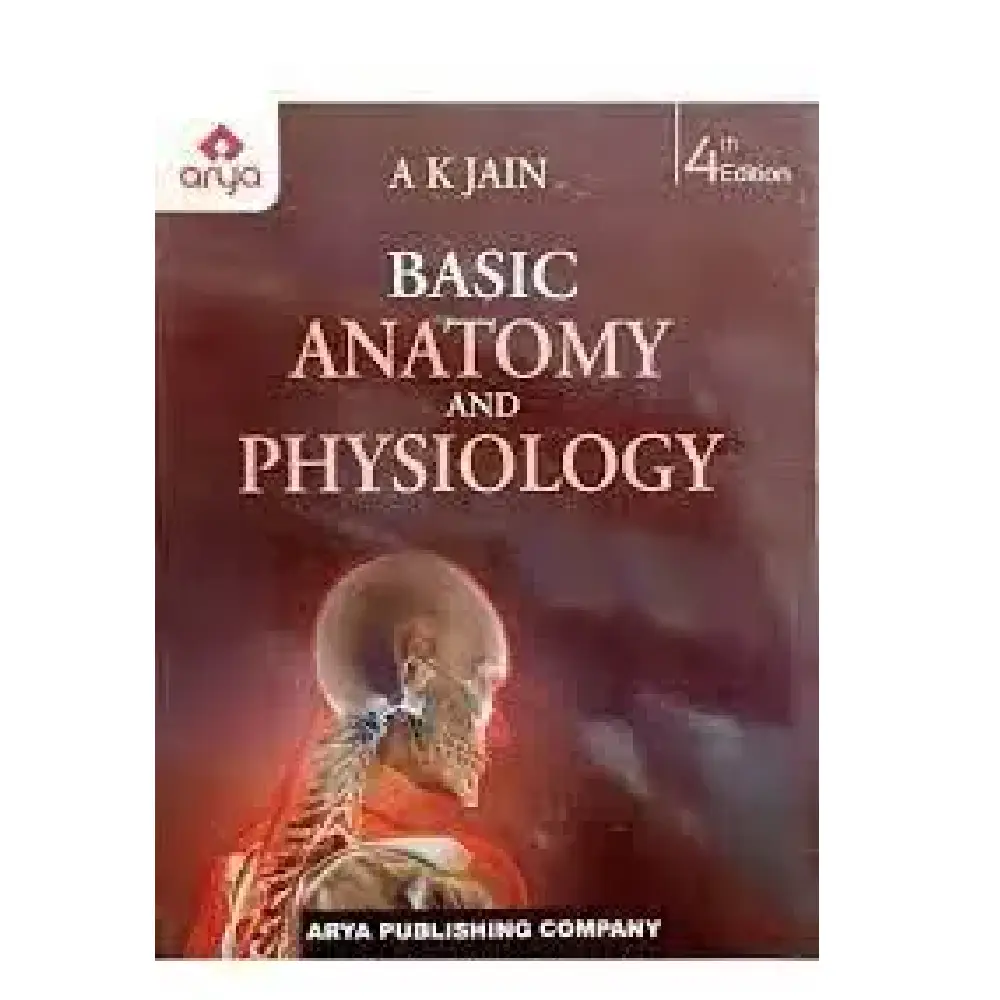
Basic Anatomy and Physiology
Basic Anatomy and Physiology is the foundational study of the structure and function of the human body. It forms the core of all health sciences and is essential for students of medicine, nursing, physiotherapy, pharmacy, allied health sciences, and biological sciences. While anatomy focuses on the physical structure and organization of body parts, physiology explains how those structures work and interact to sustain life.
Understanding anatomy and physiology provides the framework for recognizing how diseases develop, how diagnostic tests work, and how treatments restore normal function. It bridges theoretical knowledge with clinical application and promotes a comprehensive understanding of the human body as an integrated system.
Levels of Structural Organization
The human body is organized into several hierarchical levels:
-
Chemical Level – Atoms combine to form molecules such as water, proteins, carbohydrates, and lipids, which are vital for cellular functions.
-
Cellular Level – Cells are the basic structural and functional units of life. Examples include nerve cells, muscle cells, and blood cells.
-
Tissue Level – Groups of similar cells performing a common function form tissues. There are four primary tissue types: epithelial, connective, muscle, and nervous tissue.
-
Organ Level – Organs are composed of different tissues working together. Examples include the heart, lungs, liver, and kidneys.
-
Organ System Level – Related organs work together in systems such as the circulatory, respiratory, digestive, and nervous systems.
-
Organism Level – All systems collectively maintain life and health.
Major Body Systems and Their Functions
The human body consists of several organ systems, each with specific functions:
1. Integumentary System
Comprising the skin, hair, and nails, this system protects the body from external injury, regulates temperature, and prevents water loss.
2. Skeletal System
Made up of bones and joints, it provides structural support, protects vital organs, produces blood cells, and stores minerals like calcium and phosphorus.
3. Muscular System
Muscles enable movement, maintain posture, and produce heat. Skeletal muscles facilitate voluntary movement, while smooth and cardiac muscles function involuntarily.
4. Nervous System
This system includes the brain, spinal cord, and nerves. It controls and coordinates body activities by transmitting electrical impulses and responding to stimuli.
5. Endocrine System
Glands such as the thyroid, adrenal, and pituitary secrete hormones that regulate metabolism, growth, reproduction, and homeostasis.
6. Cardiovascular System
The heart, blood, and blood vessels transport oxygen, nutrients, hormones, and waste products throughout the body.
7. Respiratory System
The lungs and airways enable gas exchange — oxygen is absorbed, and carbon dioxide is expelled.
8. Digestive System
This system breaks down food into nutrients, absorbs them into the bloodstream, and eliminates waste.
9. Urinary System
The kidneys filter blood to remove waste and maintain fluid and electrolyte balance.
10. Reproductive System
Responsible for producing offspring, it includes organs that produce gametes and sex hormones.
Homeostasis: Maintaining Internal Balance
A key principle in physiology is homeostasis, the body’s ability to maintain stable internal conditions despite external changes. Examples include regulation of body temperature, blood glucose levels, and blood pressure. Feedback mechanisms — particularly negative feedback — help maintain equilibrium. For example, when blood sugar rises, insulin is released to lower it back to normal levels.
Clinical Relevance
A strong foundation in anatomy and physiology is crucial for understanding disease processes. For instance:
-
Knowledge of cardiac anatomy helps explain heart attacks and arrhythmias.
-
Understanding lung physiology clarifies conditions such as asthma and chronic obstructive pulmonary disease.
-
Studying kidney function aids in managing renal failure and electrolyte imbalance.
Healthcare professionals rely on anatomical landmarks for procedures like injections and surgeries, while physiological knowledge guides interpretation of lab results and vital signs.
Importance for Students
For beginners, basic anatomy and physiology build scientific reasoning skills. Learning correct terminology enhances communication in healthcare settings. Laboratory sessions, models, and diagrams further strengthen understanding. Modern teaching methods often include interactive simulations, 3D imaging, and case-based learning to integrate theory with practice.
Conclusion
Basic Anatomy and Physiology provide the essential framework for understanding the human body’s structure and function. By studying how body systems interact and maintain balance, students gain insight into health, disease, and medical interventions. Whether for academic study or clinical practice, mastery of these fundamentals is the first step toward becoming a competent healthcare professional.

Reviews
There are no reviews yet