
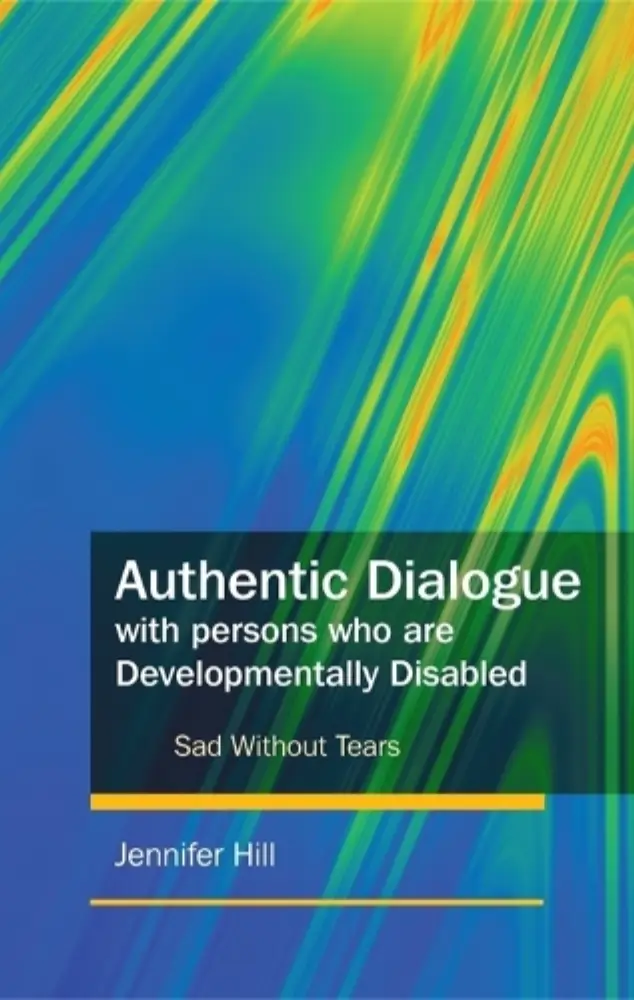


Authentic Dialogue with Persons Who Are Developmentally Disabled
Authentic dialogue with persons who are developmentally disabled is grounded in respect, empathy, patience, and a genuine commitment to understanding the individual beyond their disability. Developmental disabilities, which may include conditions such as intellectual disabilities, autism spectrum disorders, and cerebral palsy, can influence communication styles, comprehension, and social interaction. However, these differences do not diminish a person’s capacity for meaningful connection, expression, or participation in dialogue.
At the heart of authentic dialogue lies the principle of person-centered communication. This means recognizing the individual first as a person, not defining them by their disability. Each person has unique preferences, abilities, and ways of expressing themselves. Effective communication begins by taking time to learn how the individual communicates—whether through spoken language, gestures, assistive communication devices, or alternative forms such as pictures or symbols. Adapting communication methods to suit the individual’s needs demonstrates respect and facilitates more meaningful interaction.
Active listening is another critical component. Authentic dialogue is not merely about speaking but about truly hearing and understanding the other person. This involves paying close attention, maintaining appropriate eye contact, and responding thoughtfully. It may also require allowing extra time for the person to process information and respond. Interrupting or finishing sentences for the individual can undermine their autonomy and confidence. Instead, patience helps create a safe and supportive environment for expression.
Clarity and simplicity in language are essential. Using straightforward words, short sentences, and a calm tone can make communication more accessible. Avoiding jargon, idioms, or abstract expressions reduces the likelihood of misunderstanding. When necessary, repeating or rephrasing information can aid comprehension. Visual supports, such as pictures or written cues, can further enhance understanding for individuals who benefit from visual learning.
Respecting autonomy and promoting independence are key ethical considerations in dialogue. Individuals with developmental disabilities should be encouraged to make their own choices and express their preferences. Even when communication is limited, every effort should be made to involve them in decisions affecting their lives. Asking open-ended questions, offering options, and validating their responses reinforce their sense of agency and dignity.
Nonverbal communication also plays a significant role. Facial expressions, body language, and tone of voice can convey empathy, encouragement, and understanding. Being mindful of these cues helps ensure that the message aligns with the intent. Additionally, interpreting the individual’s nonverbal signals—such as gestures or changes in behavior—can provide valuable insights into their thoughts and feelings.
Building trust is fundamental to authentic dialogue. Trust develops over time through consistency, honesty, and reliability. When individuals feel safe and respected, they are more likely to engage openly and share their perspectives. Avoiding assumptions and stereotypes is crucial, as each person’s experience is unique. Taking time to build rapport fosters a deeper and more meaningful connection.
Cultural sensitivity and awareness are also important. Individuals with developmental disabilities come from diverse backgrounds, and their cultural context may influence communication styles, values, and expectations. Being attentive to these factors enhances mutual understanding and respect.
Finally, authentic dialogue requires self-reflection. Communicators must examine their own attitudes, biases, and communication habits. Being open to learning and adapting ensures that interactions remain respectful and effective. Training and education in disability awareness can further improve communication skills.
In conclusion, authentic dialogue with persons who are developmentally disabled is a dynamic and compassionate process. It emphasizes respect, patience, adaptability, and genuine engagement. By focusing on the individual’s strengths and preferences, fostering trust, and promoting autonomy, meaningful and empowering communication can be achieved.








Reviews
There are no reviews yet