
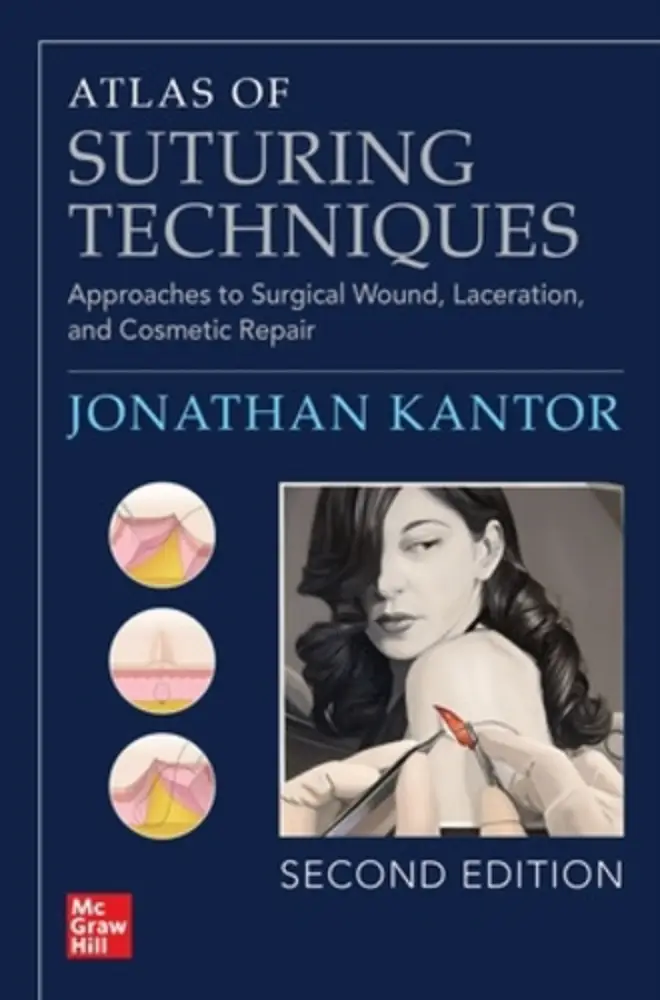
Atlas of Suturing Techniques: Approaches to Surgical Wound, Laceration, and Cosmetic Repair (2nd Edition, Paperback) is a comprehensive, visually oriented surgical guide designed to enhance both the theoretical understanding and practical skills of suturing. This edition builds upon the success of the first by incorporating updated techniques, refined illustrations, and expanded clinical insights, making it an essential resource for medical students, surgical trainees, emergency physicians, and practicing clinicians.
The book focuses on the fundamental and advanced principles of wound closure, emphasizing precision, tissue handling, and aesthetic outcomes. It begins with a thorough introduction to wound healing physiology, explaining the biological processes that influence closure techniques, scar formation, and patient outcomes. Understanding these principles helps clinicians choose appropriate suturing methods tailored to specific wound types and patient conditions.
One of the defining features of this atlas is its step-by-step visual approach. High-quality illustrations and clinical photographs guide the reader through a wide range of suturing techniques. These include basic methods such as simple interrupted sutures, continuous sutures, and mattress sutures, as well as more advanced techniques like subcuticular suturing, buried sutures, and flap closures. Each technique is explained with clear indications, advantages, limitations, and potential complications, allowing readers to develop both competence and confidence.
The text also provides detailed guidance on instrument selection, needle types, and suture materials. It explains the characteristics of absorbable and non-absorbable sutures, monofilament versus braided materials, and how to select the most suitable option based on tissue type and wound location. Proper handling of surgical instruments and ergonomic considerations are also discussed, helping practitioners improve efficiency and reduce fatigue during procedures.
A significant portion of the book is dedicated to the management of traumatic lacerations. It covers assessment, cleaning, debridement, and closure strategies for various types of wounds, including those with irregular edges, contamination, or tissue loss. Special attention is given to high-risk wounds, such as bite injuries and heavily contaminated lacerations, where infection control is critical.
Cosmetic repair is another key focus area. The atlas emphasizes techniques that minimize scarring and optimize aesthetic outcomes, particularly in visible areas such as the face. It discusses principles such as tension-free closure, alignment of skin edges, and respect for natural skin lines. Advanced methods like layered closure and fine suturing for delicate tissues are explained in detail, making the book especially valuable for practitioners involved in dermatologic or plastic procedures.
The second edition also includes expanded sections on special anatomical regions, such as the scalp, eyelids, lips, and hands. Each area presents unique challenges, and the book provides tailored approaches to ensure both functional and cosmetic success. Additionally, there is guidance on post-procedure care, including wound dressing, suture removal timing, and scar management strategies.
Clinical tips and “pearls” are integrated throughout the text, offering practical advice drawn from real-world experience. These insights help readers avoid common mistakes and improve outcomes in everyday practice. The atlas format ensures that complex techniques are easy to understand, even for beginners, while still offering depth for experienced practitioners.
Building further on its strong foundation, Atlas of Suturing Techniques: Approaches to Surgical Wound, Laceration, and Cosmetic Repair offers deeper insights into the art and science of suturing by integrating clinical reasoning with procedural expertise. The book does not merely demonstrate “how” to suture but also emphasizes “why” specific techniques are chosen in different clinical scenarios, encouraging critical thinking and adaptability in surgical practice.
In summary, Atlas of Suturing Techniques: Approaches to Surgical Wound, Laceration, and Cosmetic Repair is a highly practical and visually rich guide that bridges the gap between theory and hands-on surgical skill. Its clear explanations, detailed illustrations, and comprehensive coverage make it an invaluable reference for anyone involved in wound management and suturing.

Reviews
There are no reviews yet