

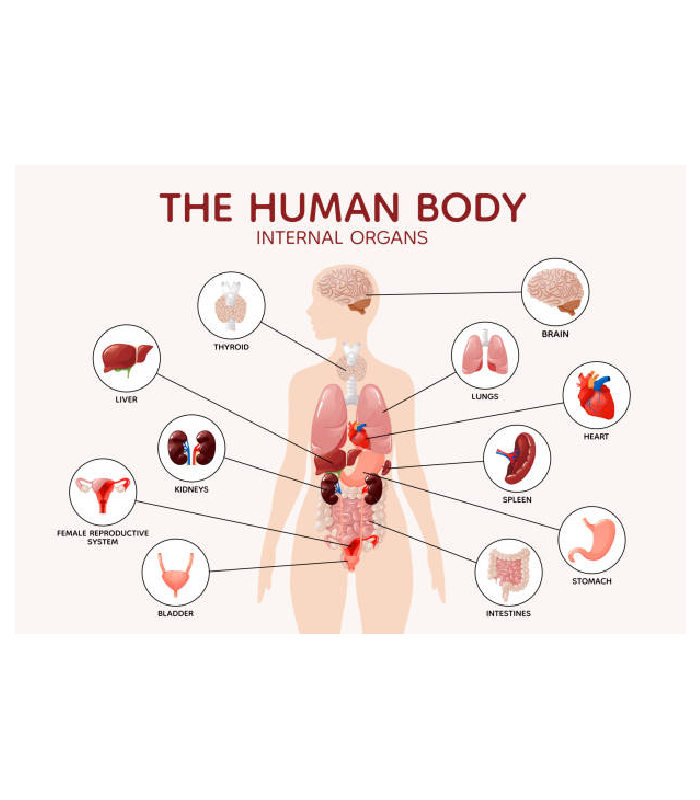
Interesting Anatomy Articles: The Poetry of the Human Body
Introduction: The Body as a Sacred Text
Every human body is a book. Its pages are written in bone and muscle, its paragraphs shaped by arteries, its sentences whispered in nerves. Anatomy is not only the study of parts—it is the reading of a sacred text that has been written over millions of years of evolution.
When we speak of interesting anatomy articles, we are not merely talking about academic fragments. We are talking about stories that reveal the beauty, fragility, and resilience of the human form. These articles are windows into mysteries that remind us: to study anatomy is to study ourselves.
In this collection, let us wander together—through heart and hand, eye and brain, skeleton and skin. Let us explore how each structure is more than flesh; it is poetry woven into the tapestry of life.
Article 1: The Heart—A Drum of Eternity

The heart beats before we are born. It drums in the watery silence of the womb, pulsing like a secret rhythm only life itself can hear.
Anatomically, it is four chambers, valves opening and closing, blood swirling in precise choreography. But emotionally, it is something more—a metronome of existence, the instrument that keeps time for every laugh, every tear, every dream.
When anatomy books describe the heart, they tell us of the aorta’s arch, the ventricles’ thickness, the elegant spiral of muscle fibers. Yet what they cannot fully capture is this: every heart carries its own story. The tired heart of the surgeon who has spent decades saving lives. The racing heart of the student before an exam. The trembling heart of a lover waiting for a reply.
The interesting article of the heart is not in its diagrams but in the way it binds us all, a silent hymn beating within every chest.
Article 2: The Hands—Sculptors of the World
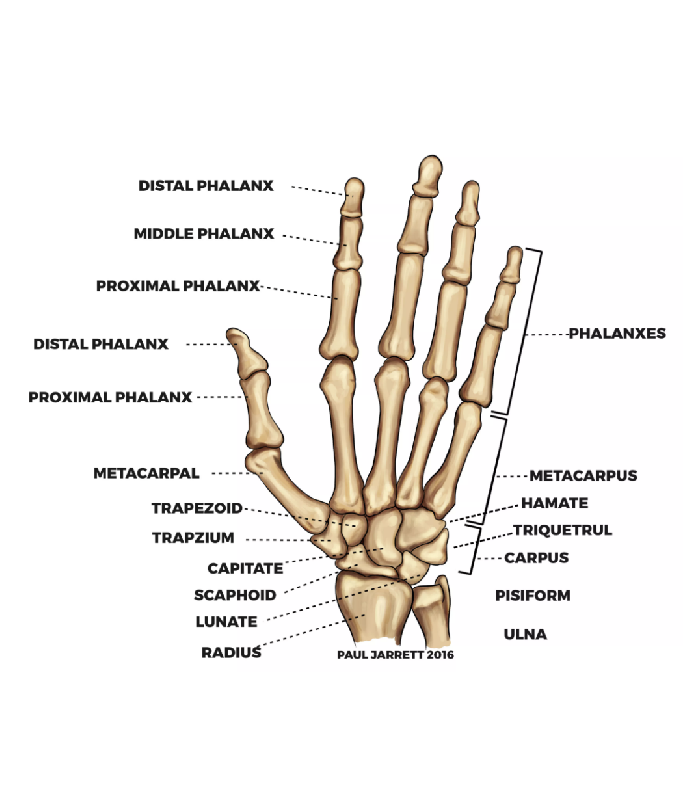
The hand is a miracle of design. Twenty-seven bones, flexor tendons like silver strings, nerves that bring sensation finer than silk. The hand can wield a scalpel, paint a canvas, hold another hand in comfort, or write words that outlive their author.
When Michelangelo carved David, it was his hands that spoke. When a surgeon sutures a torn artery, it is hands that restore hope. When a child reaches out, grasping for a parent’s finger, it is hands that express love without words.
Anatomy tells us about carpal tunnels and metacarpals, about opposable thumbs that separate us from apes. But beyond structure, the hand is the body’s poem of expression.
Perhaps that is why so many students find the hand endlessly fascinating. To dissect it is to touch the instrument that has shaped human history.
Article 3: The Brain—The Universe Within

Here lies the greatest paradox: a lump of flesh weighing barely 1.4 kilograms contains the cosmos of our consciousness.
The cerebral cortex folds like a map, sulci and gyri forming ridges of thought. Neurons fire in dazzling cascades, trillions of synapses sparking memories, fears, loves, and inventions.
Anatomy breaks it down: frontal lobes for reasoning, occipital lobes for vision, hippocampus for memory. Yet no textbook can fully explain how tissue becomes thought, or how electrical pulses become music, or how a dream blooms in the silence of night.
The most interesting anatomy article on the brain is that it is both the observer and the observed. It studies itself, questions itself, even doubts its own existence. In this paradox, we glimpse the miracle of being human.
Article 4: The Eye—Windows of Light

Imagine a structure so delicate it can capture light waves and turn them into landscapes of color, faces of loved ones, and the written word.
The cornea bends light, the lens fine-tunes, the retina translates photons into signals, and the optic nerve delivers the message to the brain. A marvel of optics and biology combined.
But the eye is more than anatomy—it is the poet of the body. It cries when words are not enough. It sparkles when love arrives. It closes when the world becomes too heavy.
How curious that such a tiny organ can hold universes. And how humbling that all it takes is one clouded lens, one injured nerve, to turn the world to shadow.
Article 5: The Skeleton—Architecture of Being

We are walking cathedrals of bone. Two hundred and six pillars hold us upright, each bone shaped by both strength and fragility.
The skull, guardian of the brain. The spine, flexible yet protective. The ribs, curved shields for heart and lungs. The pelvis, cradle of life itself.
The skeleton is not lifeless stone. It is living tissue, dynamic, renewing itself every decade. It is not merely scaffolding but the hidden architecture that allows us to move, breathe, and stand in defiance of gravity.
There is something deeply poetic about bones: even when flesh decays, bones endure, whispering across centuries the story of those who once walked the earth.
Article 6: The Skin—A Tapestry of Touch
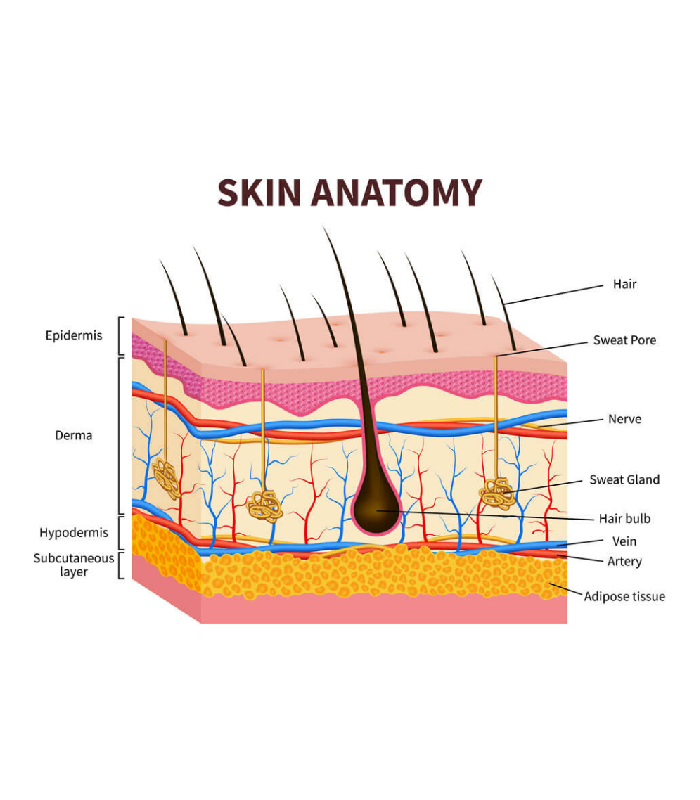
It is the body’s largest organ, yet often the least appreciated. Skin is a canvas painted by freckles, scars, wrinkles, and tattoos—each a story, each a memory etched in tissue.
Anatomically, it is epidermis, dermis, subcutaneous layers. But emotionally, it is boundary and connection all at once. Skin separates us from the world, yet through touch, it unites us with it.
A caress, a handshake, a gentle pat—skin speaks languages no dictionary records. It shields us from storms, regulates our warmth, and reveals our feelings in blushes and goosebumps.
Perhaps the most interesting thing about skin is how it remembers. A scar from childhood, a burn from cooking, a line from smiling too much—skin is memory written in flesh.
Article 7: The Lungs—Songs of Breath
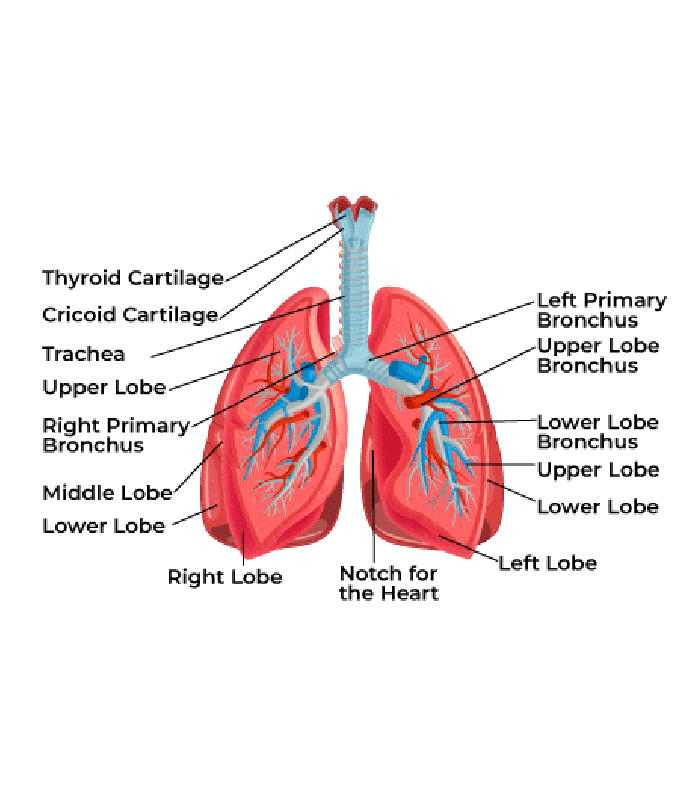
Breathing is so constant, so automatic, that we forget its wonder. Yet every breath is a miracle: air rushing through bronchi, alveoli exchanging gases, oxygen entering blood, carbon dioxide leaving like a silent farewell.
The lungs are not just bellows of survival. They are instruments of music. From them rises every laugh, every sob, every lullaby sung to a child.
The anatomy of lungs is precise: lobes, bronchioles, capillaries woven like delicate lace. But the poetry of lungs lies in their rhythm. To breathe is to live, to stop is to end. And in this rhythm, life is both fragile and resilient.
Article 8: The Digestive Tract—Alchemy of Transformation

From the tongue’s taste buds to the stomach’s acids to the intestines’ winding pathways, the digestive system is an alchemist. It turns bread into blood, fruit into thought, milk into memory.
We take it for granted—that an apple becomes energy, that rice fuels our muscles. But every bite is a miracle of anatomy, a chain reaction of enzymes and peristalsis, a dance of chemistry choreographed by organs.
The intestines, often overlooked, are vast highways of absorption, their villi like fields of harvesters. The liver, quiet and tireless, filters and transforms.
This is not just digestion; it is transfiguration. Food becomes us. We are what we eat—literally.
Article 9: The Reproductive System—Seeds of Continuity

Here lies the anatomy that binds us to eternity. The reproductive system is not merely organs; it is the architecture of survival, the bridge across generations.
The ovaries, delicate yet powerful, carrying the blueprint of future lives. The testes, ceaseless factories of possibility. The uterus, cradle of beginnings, where cells multiply into hearts, hands, and eyes.
Anatomy describes these structures clinically, yet the emotional truth is vast: without them, there is no story of humanity. Every newborn is proof of the reproductive system’s quiet, patient labor.
It is perhaps the most poetic anatomy of all—for it holds the promise of tomorrow.
Article 10: The Nervous System—Lightning in Flesh

Imagine a body of darkness lit by millions of sparks. That is the nervous system.
Neurons carry messages faster than lightning, synapses bridge worlds invisible, reflex arcs protect us before we even think. The spinal cord hums like a great highway, carrying signals from fingertip to brain in fractions of seconds.
Anatomy describes the parts: cranial nerves, peripheral nerves, ganglia. But the wonder lies in the sensation: the warmth of sunlight, the pain of a cut, the joy of music—all made possible by this web of electricity.
The nervous system is not just anatomy; it is experience itself.
Conclusion for Medical Students
As you close these pages of interesting anatomy articles, pause for a moment and listen—to your own pulse, to the quiet rise of your breath, to the miracle that is your living body. Anatomy is not only a subject you must pass, it is a lifelong companion, a lantern that will guide you through clinics, wards, and operating rooms.
Every diagram you memorize, every nerve you trace, every bone you name is more than preparation for exams—it is an act of reverence. You are not just learning parts; you are learning the language of life itself. One day, in a moment of urgency, your knowledge of anatomy will become the hand that saves, the wisdom that heals, the calm voice in a storm.
So approach your studies not with fear, but with awe. Let your heart beat with gratitude for the body you explore. Let your hands turn pages with devotion. Let your mind remain humble before the mysteries still unsolved.
For in the poetry of anatomy, you will discover not only the human form, but also your own calling—the sacred duty to serve, to comfort, and to heal.