
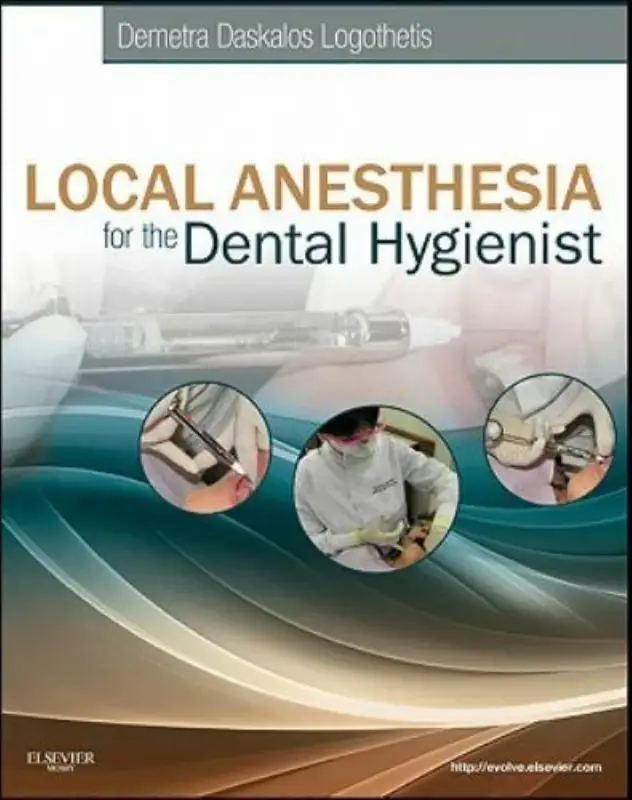


Local Anesthesia for the Dental Hygienist (590 words)
Local anesthesia is a fundamental aspect of modern dental hygiene practice, enabling dental hygienists to perform procedures effectively while ensuring patient comfort and pain control. It involves the temporary loss of sensation in a specific area of the oral cavity without affecting the patient’s consciousness. For dental hygienists, understanding the principles, techniques, and safety considerations of local anesthesia is essential for delivering high-quality patient care.
The primary purpose of local anesthesia in dental hygiene is to eliminate pain during procedures such as scaling and root planing, periodontal therapy, and other invasive treatments. Patients with periodontal disease or hypersensitive teeth often require anesthesia to tolerate these procedures comfortably. By managing pain effectively, dental hygienists can perform thorough treatments, which ultimately improves oral health outcomes.
Local anesthetic agents work by blocking nerve conduction, specifically by inhibiting sodium channels in nerve membranes. This prevents the transmission of pain signals from the treatment area to the brain. Commonly used local anesthetics in dentistry include lidocaine, articaine, mepivacaine, and prilocaine. These agents may be used with vasoconstrictors like epinephrine, which help prolong the anesthetic effect and reduce bleeding in the operative area.
A strong foundation in oral anatomy is crucial for the safe administration of local anesthesia. Dental hygienists must be familiar with the location of nerves, blood vessels, and anatomical landmarks in the head and neck region. Common injection techniques include infiltration anesthesia and nerve blocks. Infiltration involves depositing the anesthetic solution near the apex of the tooth, while nerve blocks target larger nerve branches, such as the inferior alveolar nerve, to anesthetize a broader area.
Patient assessment is an important step before administering local anesthesia. Dental hygienists must review the patient’s medical history, including allergies, medications, and systemic conditions such as cardiovascular disease or diabetes. Understanding these factors helps in selecting the appropriate anesthetic agent and dosage, minimizing the risk of complications. For example, patients with certain heart conditions may require limited use of vasoconstrictors.
The administration technique itself requires precision and care. Proper positioning of the patient, use of sterile equipment, and adherence to infection control protocols are essential. The hygienist must also communicate clearly with the patient, explaining the procedure and what sensations to expect.
Despite its routine use, local anesthesia carries potential risks and complications. These may include allergic reactions, toxicity due to overdose, nerve injury, hematoma formation, or prolonged numbness. However, such complications are rare when proper techniques and guidelines are followed. Dental hygienists must be trained to recognize and manage these situations promptly, including having emergency protocols in place.
Pain management does not end with the administration of anesthesia. Post-procedural care is equally important. Patients should be advised about the duration of numbness and cautioned against biting their lips or cheeks while the anesthetic is still active. Clear instructions help prevent accidental injury and ensure a smooth recovery.
Legal and ethical considerations also play a role in the use of local anesthesia by dental hygienists. The scope of practice varies by region, and hygienists must adhere to local regulations and obtain proper certification or licensure. Informed consent from the patient is mandatory before administering anesthesia.
In conclusion, local anesthesia is a vital tool that enhances the effectiveness and comfort of dental hygiene procedures. Mastery of anesthetic techniques, thorough patient assessment, and adherence to safety protocols enable dental hygienists to provide efficient and compassionate care. As dental practices continue to evolve, the role of the hygienist in pain management remains essential to improving patient experiences and outcomes.








Reviews
There are no reviews yet