
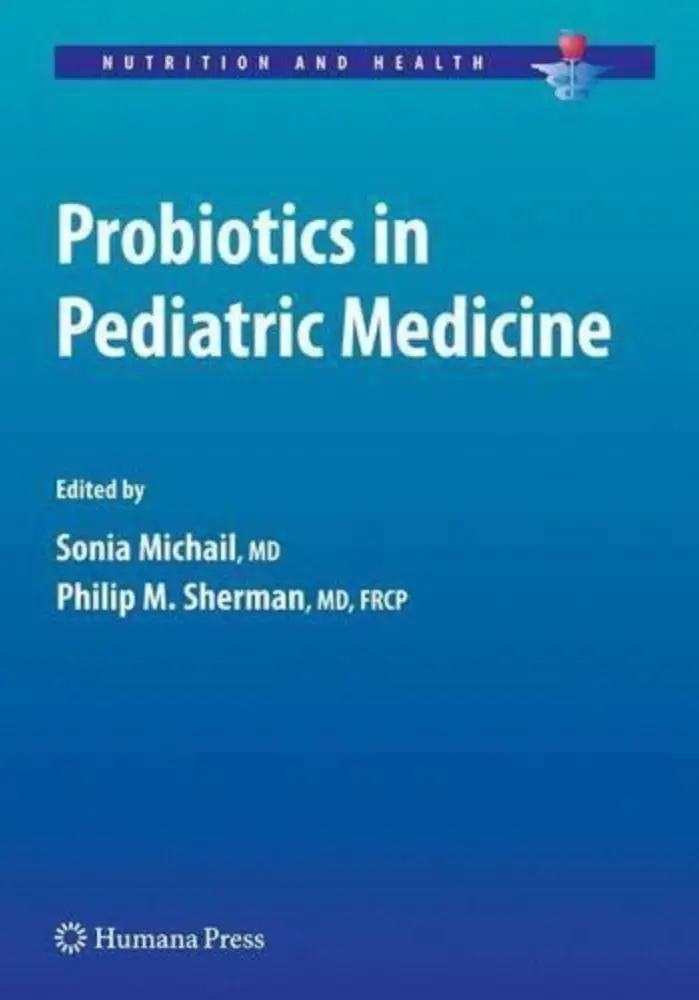

Probiotics in Pediatric Medicine – Nutrition and Health Series (590 words)
Probiotics in Pediatric Medicine from the Nutrition and Health Series is a specialized resource that explores the role of beneficial microorganisms in promoting health and preventing disease in children. The book highlights the growing importance of probiotics in pediatric care, emphasizing their potential to support digestive health, enhance immunity, and manage various childhood disorders.
The text begins by introducing the concept of probiotics, defined as live microorganisms that provide health benefits when administered in adequate amounts. It explains how the human gut microbiota develops from birth and plays a crucial role in maintaining overall health. In infants and children, the composition of gut flora is particularly important, as it influences immune system development, nutrient absorption, and protection against harmful pathogens. The book underscores how factors such as mode of delivery (vaginal birth vs. cesarean), breastfeeding, diet, and antibiotic use can significantly affect gut microbiota in early life.
A major focus of the book is the role of probiotics in preventing and managing gastrointestinal disorders in children. Conditions such as acute diarrhea, antibiotic-associated diarrhea, irritable bowel syndrome, and inflammatory bowel disease are discussed in detail. The authors present clinical evidence supporting the use of specific probiotic strains, such as Lactobacillus and Bifidobacterium, in reducing the duration and severity of diarrhea and restoring gut balance after antibiotic therapy. These findings highlight the therapeutic potential of probiotics as a safe and effective adjunct to conventional treatments.
In addition to gastrointestinal health, the book explores the impact of probiotics on the immune system. It explains how probiotics interact with gut-associated lymphoid tissue (GALT) to modulate immune responses. This interaction can help reduce the risk of infections, allergies, and autoimmune conditions. The text also discusses the role of probiotics in preventing respiratory tract infections and atopic diseases such as eczema and asthma in children. By strengthening the body’s natural defenses, probiotics contribute to improved overall health and well-being.
Another important aspect covered in the book is the use of probiotics in neonatal care, particularly for preterm infants. These infants are at a higher risk of developing serious conditions such as necrotizing enterocolitis (NEC). The book presents research indicating that certain probiotic strains can reduce the incidence and severity of NEC, thereby improving survival rates and clinical outcomes in neonatal intensive care units. This section highlights the importance of carefully selecting probiotic strains and ensuring proper dosage and administration in vulnerable populations.
The safety and regulation of probiotic use in pediatric medicine are also discussed. While probiotics are generally considered safe, the book emphasizes the need for quality control, standardized formulations, and clinical validation. It warns against the indiscriminate use of probiotics without proper medical guidance, particularly in immunocompromised children. The authors advocate for evidence-based practice and encourage healthcare professionals to rely on scientifically validated strains and dosages.
The Nutrition and Health Series format ensures that the content is well-structured, research-oriented, and clinically relevant. The book includes detailed references, case studies, and practical guidelines for healthcare professionals. It serves as a valuable resource for pediatricians, dietitians, researchers, and students seeking to understand the clinical applications of probiotics in child health.
In conclusion, Probiotics in Pediatric Medicine provides a comprehensive overview of the scientific and clinical aspects of probiotic use in children. By integrating current research with practical recommendations, the book highlights the potential of probiotics as an important tool in pediatric healthcare. It reinforces the idea that maintaining a healthy gut microbiota is essential for the growth, development, and overall well-being of children.






Reviews
There are no reviews yet