
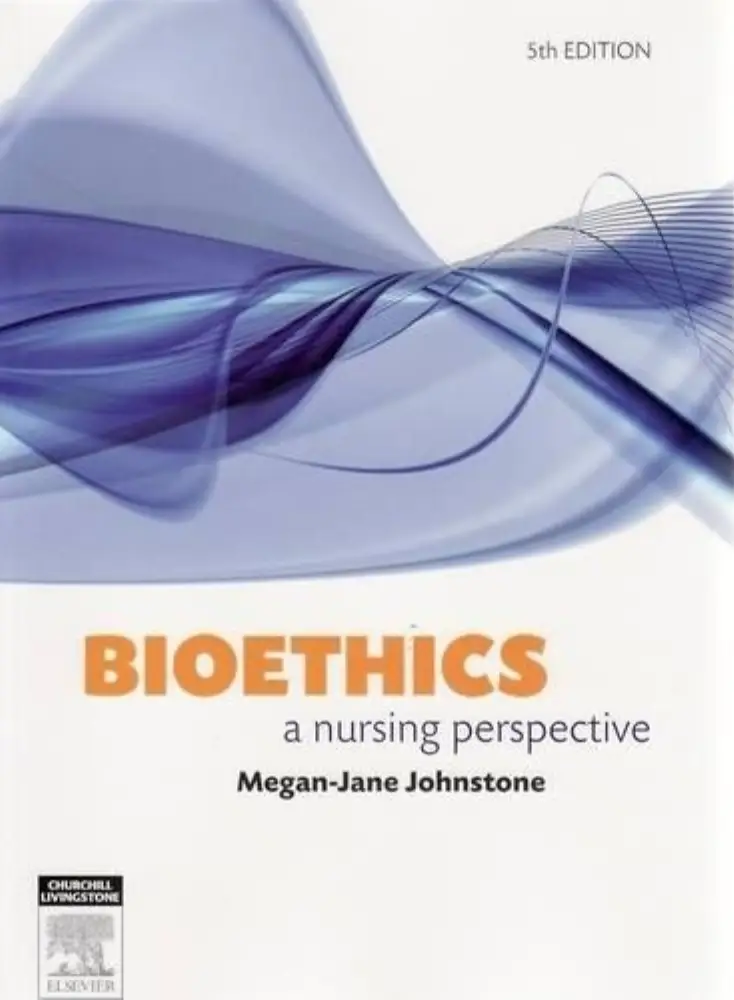


Bioethics: A Nursing Perspective (5th Edition) is a comprehensive and thought-provoking text that explores ethical principles and dilemmas encountered in modern nursing practice. Designed specifically for nursing students and practicing professionals, the book integrates ethical theory with real-world clinical situations, helping readers develop critical thinking skills and moral reasoning necessary for patient-centered care.
The book begins by introducing the foundational concepts of bioethics, including autonomy, beneficence, nonmaleficence, and justice. These core principles serve as the ethical framework guiding nursing decisions. The text explains how these principles apply to everyday clinical practice, emphasizing the nurse’s responsibility to respect patients’ rights, promote well-being, avoid harm, and ensure fairness in healthcare delivery.
A major strength of the book is its focus on the nurse’s role as an advocate. Nurses often act as intermediaries between patients, families, and healthcare providers, making ethical awareness essential. The text discusses how nurses can support patients’ rights to informed consent, confidentiality, and self-determination. It also highlights the importance of cultural sensitivity and respect for diverse values and beliefs when making ethical decisions.
The fifth edition expands on contemporary ethical challenges in healthcare. Topics such as end-of-life care, euthanasia, assisted dying, and palliative care are discussed in detail. The book encourages nurses to consider both the emotional and ethical complexities involved in caring for terminally ill patients. It also examines ethical issues related to life-sustaining treatments, including decisions about withdrawing or withholding care.
Another important area covered is the impact of technology on healthcare ethics. Advances such as genetic testing, organ transplantation, and life-support systems raise new ethical questions. The book explores how nurses can navigate these challenges while maintaining patient dignity and professional integrity. It also addresses issues like resource allocation, particularly in situations where medical resources are limited.
Legal aspects of nursing ethics are also integrated throughout the text. Readers are introduced to relevant laws, professional standards, and guidelines that influence ethical decision-making in healthcare settings. The relationship between law and ethics is carefully examined, helping nurses understand their legal responsibilities while upholding ethical principles.
The book also emphasizes ethical decision-making models that provide structured approaches to resolving dilemmas. These models guide nurses through steps such as identifying the problem, considering alternatives, evaluating consequences, and making justified decisions. Nursing Perspective Case studies and real-life scenarios are included to illustrate how these models can be applied in practice, making the content practical and engaging.
Communication plays a crucial role in ethical nursing practice, and the text highlights strategies for effective dialogue with patients, families, and healthcare teams. It stresses the importance of honesty, empathy, and clarity when discussing sensitive issues. Ethical conflicts often arise from miscommunication, and the book provides tools to address and resolve such situations.
One of the key extended discussions in the book is the concept of ethical competence. Ethical competence goes beyond simply knowing ethical principles—it involves the ability to apply them appropriately in dynamic and often uncertain clinical situations.
In addition, the text explores the concept of professional accountability and moral distress. Nurses may experience emotional strain when they are unable to act according to their ethical beliefs due to institutional constraints. The book offers guidance on coping strategies and emphasizes the importance of support systems within healthcare environments.
Overall, Bioethics: A Nursing Perspective (5th Edition) serves as an essential guide for understanding the ethical dimensions of nursing practice. By combining theoretical knowledge with practical application, it prepares nurses to navigate complex moral situations with confidence, compassion, and professionalism.


Reviews
There are no reviews yet