
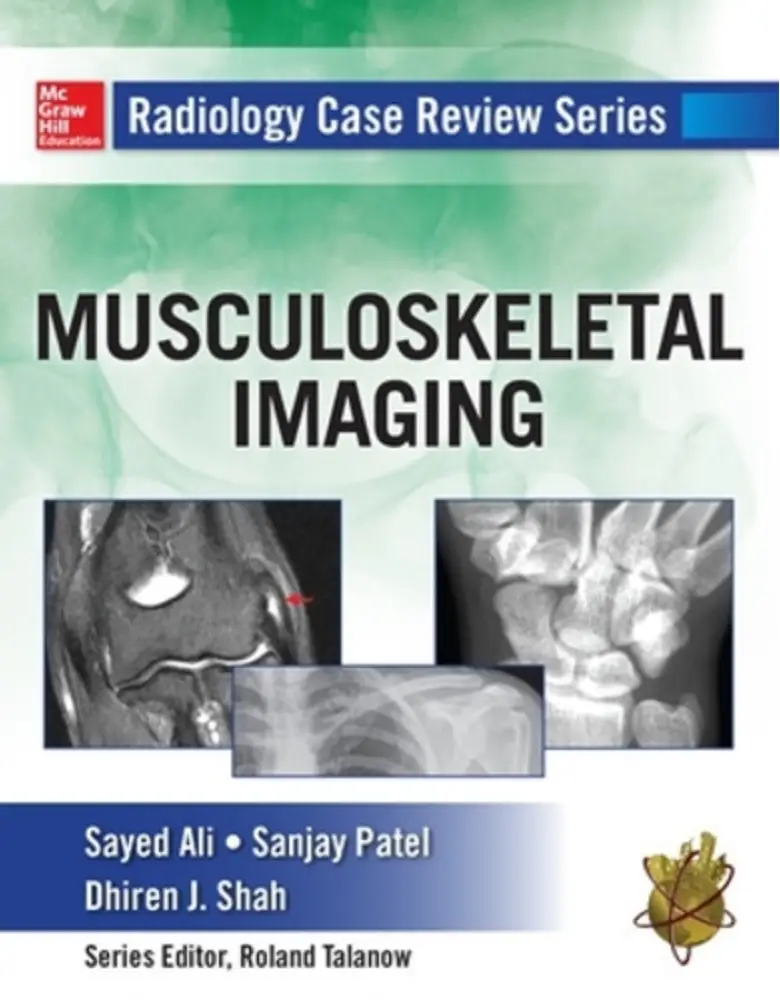

Radiology Case Review Series: MSK Imaging
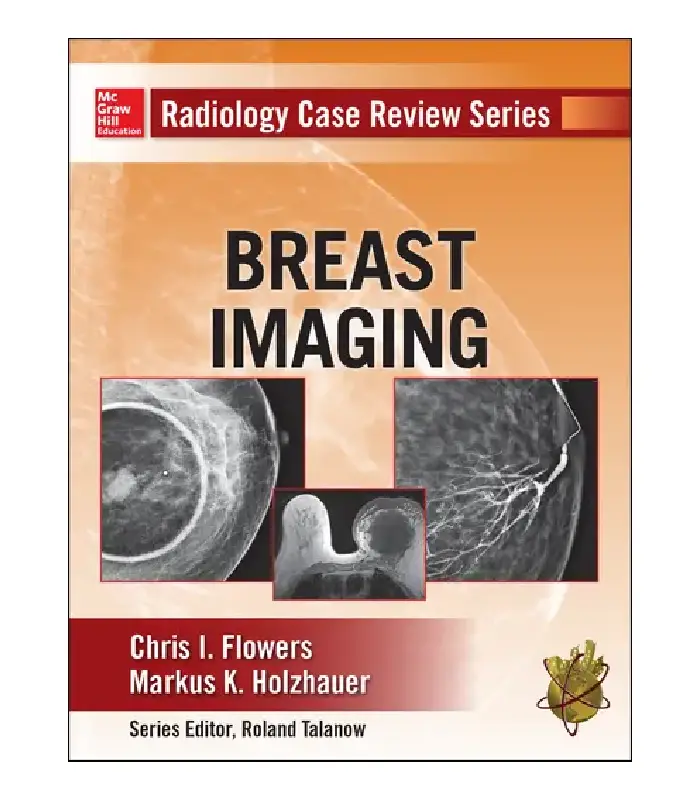
Radiology Case Review Series: MSK Imaging is a specialized resource designed to help radiology residents, fellows, and practicing clinicians strengthen their diagnostic skills in musculoskeletal imaging. As part of the well-known Case Review Series, this book adopts a case-based learning approach, making it particularly valuable for exam preparation and clinical practice. It focuses on interpreting imaging studies related to bones, joints, soft tissues, and associated pathologies.
One of the most important features of this book is its case-based format. Each case begins with a clinical scenario followed by high-quality imaging studies such as X-rays, CT scans, and MRI images. Readers are encouraged to analyze the images and formulate a diagnosis before reviewing the provided answers. This interactive style closely simulates real-life clinical situations and board examination formats, promoting active learning and critical thinking.
The book covers a wide range of musculoskeletal conditions, including traumatic injuries, degenerative diseases, infections, tumors, and congenital abnormalities. Trauma cases include fractures, dislocations, and ligament injuries, which are commonly encountered in both clinical practice and examinations. Degenerative conditions such as osteoarthritis and inflammatory disorders like rheumatoid arthritis are also discussed, with emphasis on their imaging characteristics.
Another key area is bone and soft tissue tumors, where the book helps readers differentiate between benign and malignant lesions. It provides insights into radiographic patterns, lesion location, and associated features that are essential for accurate diagnosis. Infections such as osteomyelitis and septic arthritis are also covered, highlighting their imaging findings and clinical relevance.
A significant strength of the book is its focus on imaging modalities and interpretation. It explains when and how to use different imaging techniques, including plain radiography, computed tomography (CT), magnetic resonance imaging (MRI), and ultrasound. Each modality is discussed in terms of its advantages, limitations, and specific applications in musculoskeletal imaging.
The book also emphasizes pattern recognition, which is a crucial skill in radiology. By presenting numerous cases with varying presentations, it trains readers to identify characteristic imaging features associated with specific conditions. This repeated exposure enhances diagnostic accuracy and builds confidence in image interpretation.
Each case is followed by a detailed discussion that explains the diagnosis, key imaging findings, and important differential diagnoses. These explanations are concise yet informative, making it easier for readers to understand complex concepts. The inclusion of “pearls and pitfalls” highlights essential points and common mistakes, helping readers avoid errors in both exams and clinical practice.
Another valuable feature is the inclusion of board-style questions and answers. These questions test the reader’s knowledge and reinforce learning, making the book an effective tool for exam preparation. The structured format allows users to assess their progress and identify areas that need further study.
The book is also known for its high-quality images and clear layout. Visual clarity is crucial in radiology, and the images in this series are carefully selected to demonstrate key findings. The accompanying captions and annotations further aid in understanding and interpretation.
In addition to its academic value, the book is useful for clinical reference. Practitioners can use it to review cases and refresh their knowledge when encountering similar conditions in practice. Its concise and practical approach makes it a convenient resource for busy professionals.
In conclusion, Radiology Case Review Series: MSK Imaging is an excellent resource for mastering musculoskeletal radiology. Its case-based approach, comprehensive coverage, and emphasis on practical skills make it highly effective for both exam preparation and clinical application. By improving diagnostic accuracy and confidence, the book plays a vital role in the training of radiology professionals.


Reviews
There are no reviews yet