
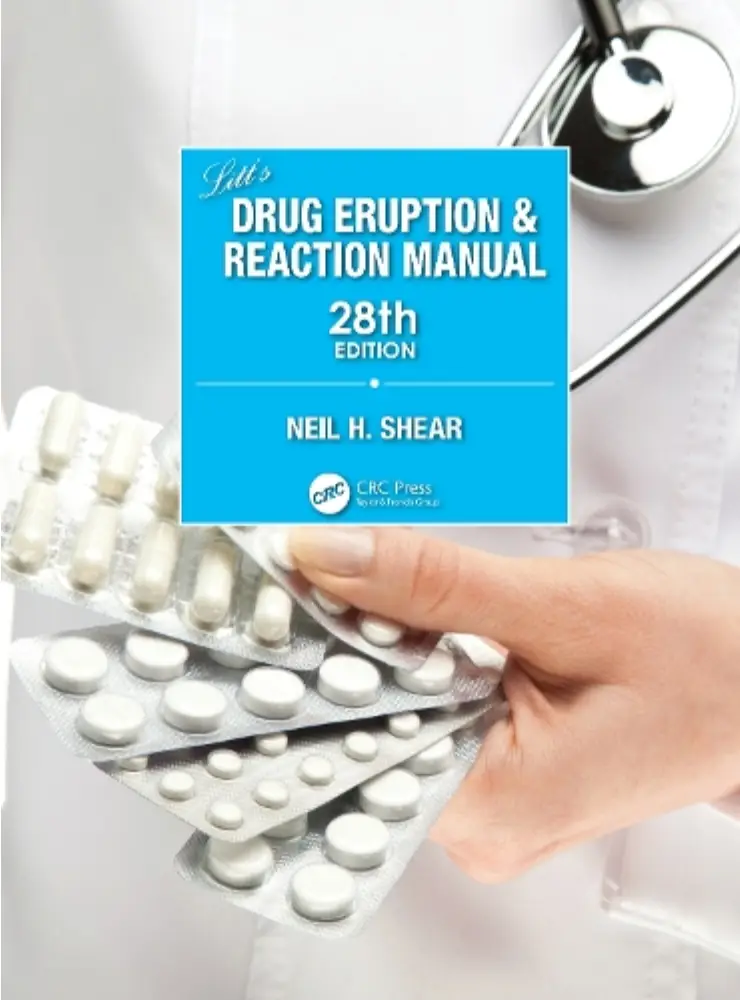


Litt’s Drug Eruption & Reaction Manual: 28th Edition
Litt’s Drug Eruption & Reaction Manual, 28th Edition is a highly regarded clinical reference that provides comprehensive information on adverse drug reactions (ADRs), with a particular focus on drug-induced skin eruptions. Widely used by dermatologists, physicians, pharmacists, and other healthcare professionals, the manual serves as a practical and quick-access guide for identifying, diagnosing, and managing drug-related side effects.
The primary strength of this manual lies in its extensive drug database, which includes thousands of medications and their associated adverse reactions. Each entry is organized alphabetically, allowing clinicians to quickly locate a drug and review its potential side effects. The book is Litt’s Drug Eruption & Reaction Manual especially valuable in clinical settings where time-sensitive decisions are required, such as hospitals, outpatient clinics, and emergency care.
A major focus of the manual is on cutaneous drug reactions, which are among the most common and visible adverse effects of medications.Litt’s Drug Eruption & Reaction Manual These include conditions such as maculopapular rashes, urticaria (hives), photosensitivity reactions, and more severe conditions like Stevens-Johnson syndrome (SJS) and toxic epidermal necrolysis (TEN). The manual provides concise descriptions of these conditions, their clinical presentations, and their likely causative drugs.
In addition to skin reactions, the book also covers systemic adverse effects, including those affecting the liver, kidneys, cardiovascular system, and central nervous system. This makes it a well-rounded resource for understanding the broader impact of drugs on the body. Each drug entry typically includes information on the frequency of reactions, severity, and any known risk factors that may predispose patients to adverse outcomes.
The manual emphasizes the importance of drug safety and pharmacovigilance. It highlights how adverse drug reactions can vary based on patient-specific factors such as age, genetics, underlying diseases, and concurrent medications. Litt’s Drug Eruption & Reaction Manual Special populations, including children, elderly patients, and pregnant women, are given particular consideration due to their increased vulnerability to certain drug effects.
Another key feature of the 28th edition is its updated and evidence-based content. As new drugs are introduced and more data becomes available on existing medications, the manual is regularly revised to reflect current knowledge. This ensures that healthcare professionals are working with the most accurate and up-to-date information when making clinical decisions.
The manual also includes cross-referencing features, which help users identify alternative medications that may be safer for patients who have experienced adverse reactions. This is particularly useful in Litt’s Drug Eruption & Reaction Manual cases where a patient has a known drug allergy or intolerance, allowing clinicians to choose suitable substitutes without compromising treatment efficacy.
A practical aspect of the book is its user-friendly format. Information is presented in a clear, concise manner, often using abbreviations and standardized terminology to facilitate quick reading. Tables and lists are used effectively to summarize complex information, making it easier for healthcare providers to interpret data rapidly.
Furthermore, the manual underscores the importance of early recognition and management of adverse drug reactions. Prompt identification of symptoms and discontinuation of the offending drug can significantly reduce morbidity and prevent life-threatening complications. The guide supports clinicians in making these critical decisions with confidence.
In conclusion, Litt’s Drug Eruption & Reaction Manual: 28th Edition is an indispensable resource for healthcare professionals involved in prescribing, dispensing, or monitoring medications. Its comprehensive coverage, practical organization, and up-to-date information make it an essential tool for ensuring patient safety and improving clinical outcomes in the management of drug reactions.



Reviews
There are no reviews yet