
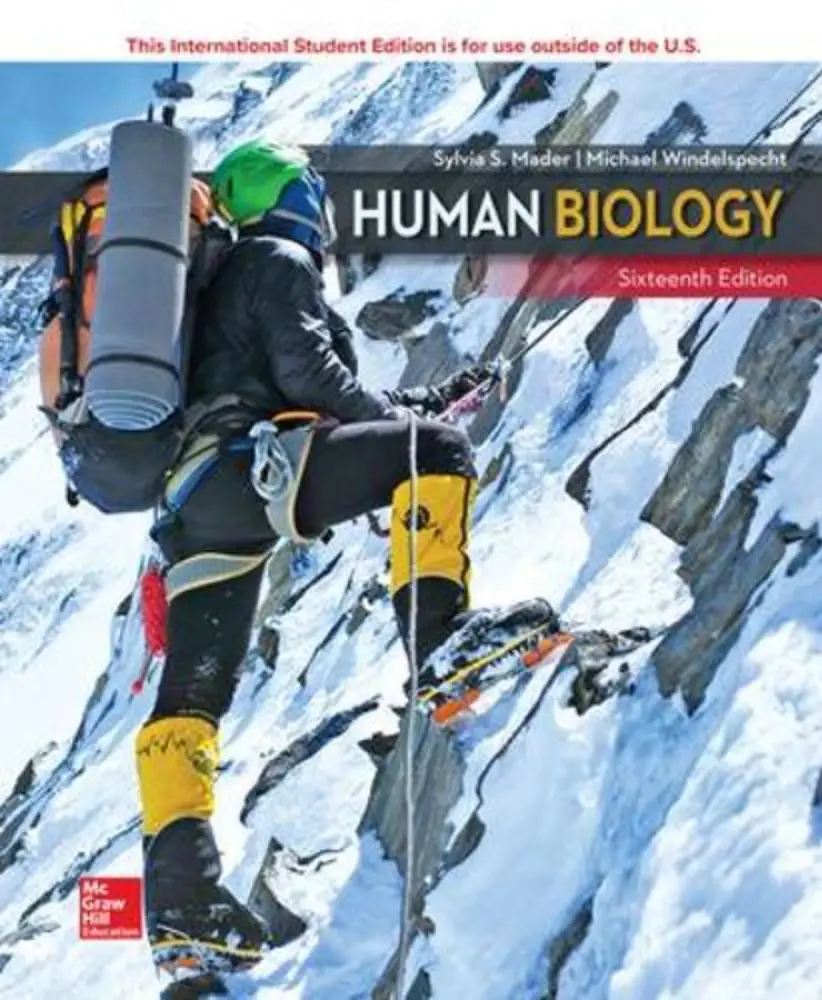
Human Biology, Sixteenth Edition is a widely used introductory textbook that provides a comprehensive understanding of the structure, function, and organization of the human body. Designed primarily for students in health sciences, nursing, and general biology courses, this edition continues its tradition of presenting complex biological concepts in a clear, engaging, and accessible manner. It integrates fundamental biological principles with real-world applications, making it highly relevant for both academic learning and everyday understanding of human health.
The book begins with the basic concepts of biology, including the scientific method, cell structure, and the chemical basis of life. These foundational topics help readers understand how the human body is built from the cellular level upward. The discussion of cells includes detailed explanations of organelles, cellular processes, and energy production, providing a strong base for understanding more advanced topics later in the text.
One of the key strengths of the sixteenth edition is its organization around the major systems of the human body. Each system—such as the skeletal, muscular, nervous, circulatory, respiratory, digestive, urinary, and reproductive systems—is presented in a logical and systematic way. The book explains how each system functions individually and how they interact with one another to maintain homeostasis, the body’s internal balance. This integrated approach helps readers appreciate the complexity and coordination required for normal body function.
The text places significant emphasis on the relationship between structure and function. For example, it explains how the design of bones supports movement, how muscle fibers enable contraction, and how the nervous system coordinates responses to internal and external stimuli. By linking anatomy with physiology, the book enables students to develop a deeper understanding of how the body works as a whole.
Another important feature of this edition is its focus on health and disease. Each chapter includes discussions of common disorders and medical conditions related to the system being studied. This helps readers connect theoretical knowledge with practical health issues, making the content more meaningful and applicable. Topics such as cardiovascular disease, diabetes, respiratory disorders, and infectious diseases are explained in a way that is easy to understand, even for those without a strong scientific background.
The book also incorporates current topics in human biology, including genetics, biotechnology, and the impact of lifestyle choices on health. It explores how factors such as nutrition, exercise, stress, and environmental influences affect the body. The inclusion of these contemporary issues ensures that the content remains relevant to modern healthcare and everyday life.
Visual learning is strongly supported through the use of detailed illustrations, diagrams, and photographs. These visual aids help clarify complex structures and processes, making it easier for students to grasp challenging concepts. Additionally, the text includes summaries, review questions, and critical thinking exercises at the end of each chapter, which reinforce learning and encourage active engagement with the material.
The sixteenth edition also emphasizes scientific literacy and critical thinking. It encourages readers to evaluate scientific information, understand research findings, and apply knowledge to real-life situations. This approach is particularly valuable for students preparing for careers in healthcare and related fields.
Furthermore, the language used in the book is clear and straightforward, avoiding unnecessary technical jargon while still maintaining scientific accuracy. This makes it suitable for a wide range of learners, from beginners to those with some background in biology.
In conclusion, Human Biology, Sixteenth Edition is a comprehensive and student-friendly textbook that effectively bridges the gap between basic biological science and practical health knowledge. Its clear explanations, organized structure, and real-world relevance make it an essential resource for understanding the human body and maintaining overall health and well-being.



Reviews
There are no reviews yet