
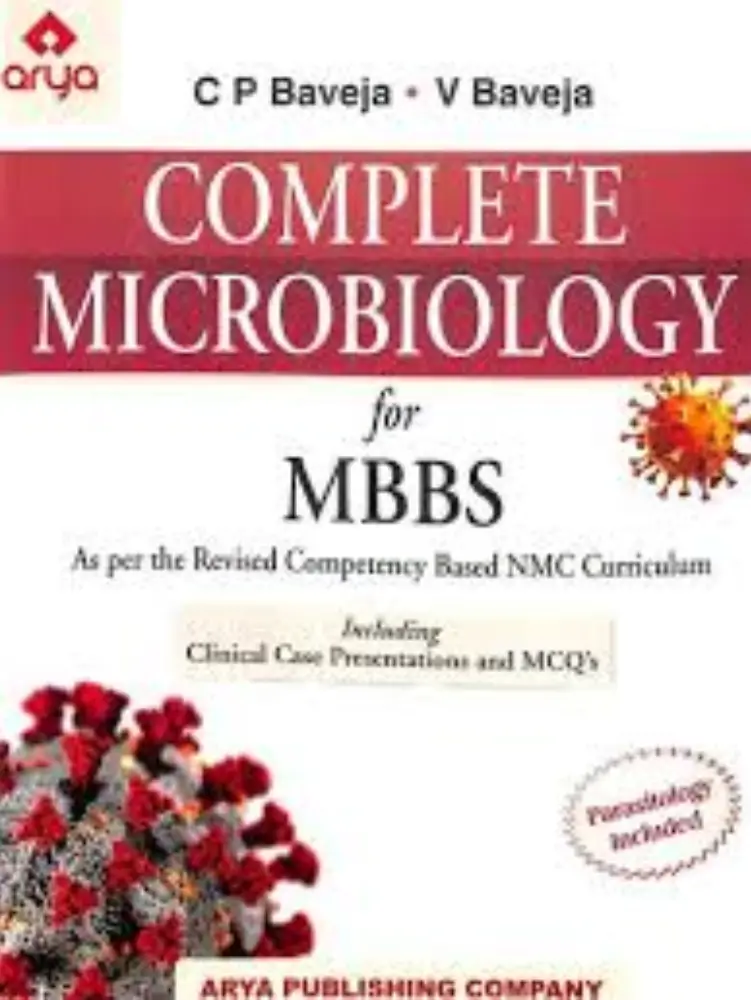


Complete Microbiology for MBBS
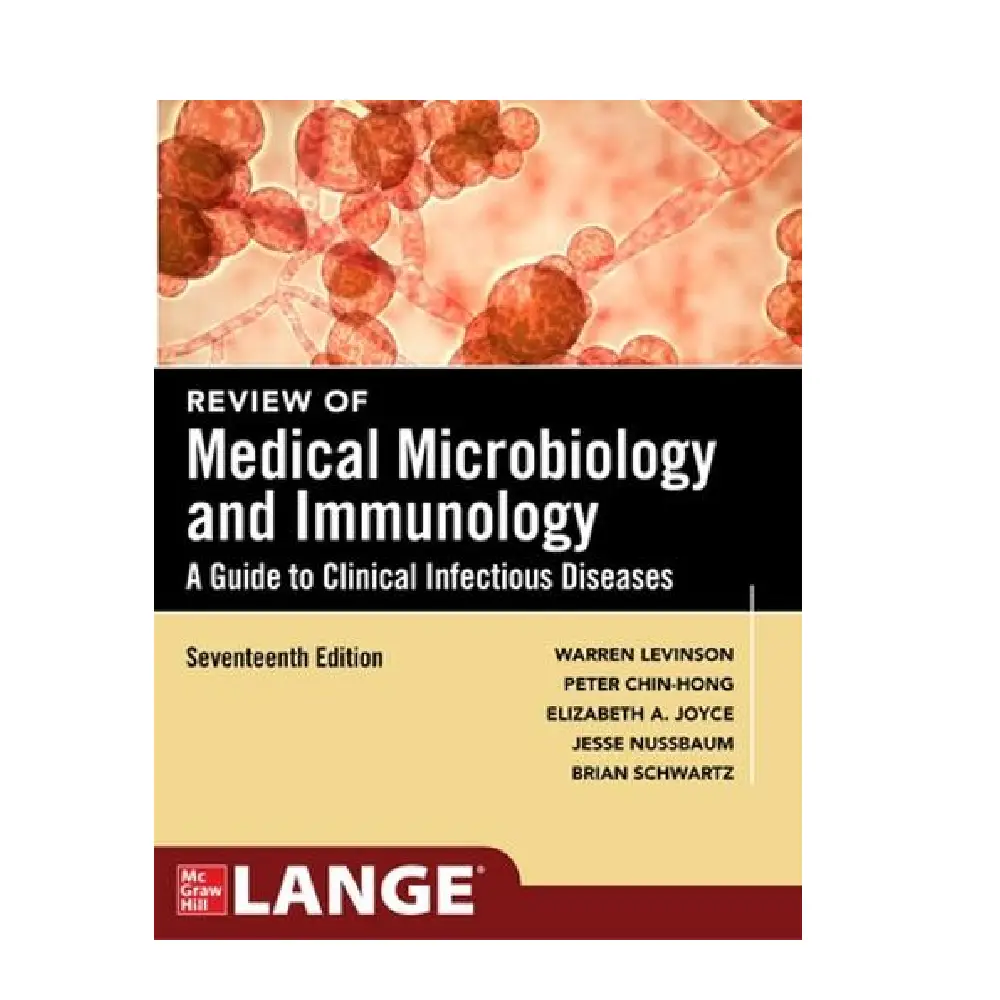
Microbiology is a core subject in the MBBS curriculum that focuses on the study of microorganisms and their relationship with human health and disease. It provides essential knowledge required for understanding infections, their diagnosis, treatment, and prevention. A strong foundation in microbiology enables medical students to approach clinical problems effectively and practice evidence-based medicine.
The subject begins with general microbiology, which introduces students to the basic characteristics of microorganisms such as bacteria, viruses, fungi, and parasites. It covers their classification, morphology, physiology, and growth patterns. Students also learn about sterilization, disinfection, and aseptic techniques, which are vital in preventing infections in healthcare settings. Laboratory methods such as microscopy, staining techniques (like Gram staining), and culture methods are also emphasized, forming the basis for identifying pathogens.
Immunology is an important component of microbiology that explains how the body defends itself against infections. It includes the study of innate and adaptive immunity, antigens and antibodies, immune responses, hypersensitivity reactions, autoimmune diseases, and immunodeficiency disorders. Vaccination and immunization strategies are also covered, helping students understand preventive medicine and public health interventions.
Systematic bacteriology deals with the detailed study of medically important bacteria. Students learn about various bacterial pathogens such as Staphylococcus, Streptococcus, Mycobacterium tuberculosis, and Escherichia coli. Each organism is studied in terms of its structure, virulence factors, pathogenesis, clinical manifestations, laboratory diagnosis, and treatment. Special emphasis is placed on antimicrobial resistance, which is a major global health concern and requires careful antibiotic usage.
Virology focuses on viruses and viral diseases that affect humans. It includes the study of viral structure, replication, transmission, and pathogenesis. Important viral infections such as influenza, hepatitis, HIV/AIDS, dengue, and COVID-19 are discussed in detail. Diagnostic techniques such as polymerase chain reaction (PCR), antigen detection, and serological tests are essential tools covered under this section.
Mycology is the study of fungi, including yeasts and molds. It deals with fungal infections such as candidiasis, aspergillosis, and dermatophytosis. Students learn to identify fungi through microscopic examination and culture techniques, as well as understand antifungal treatments and prevention strategies.
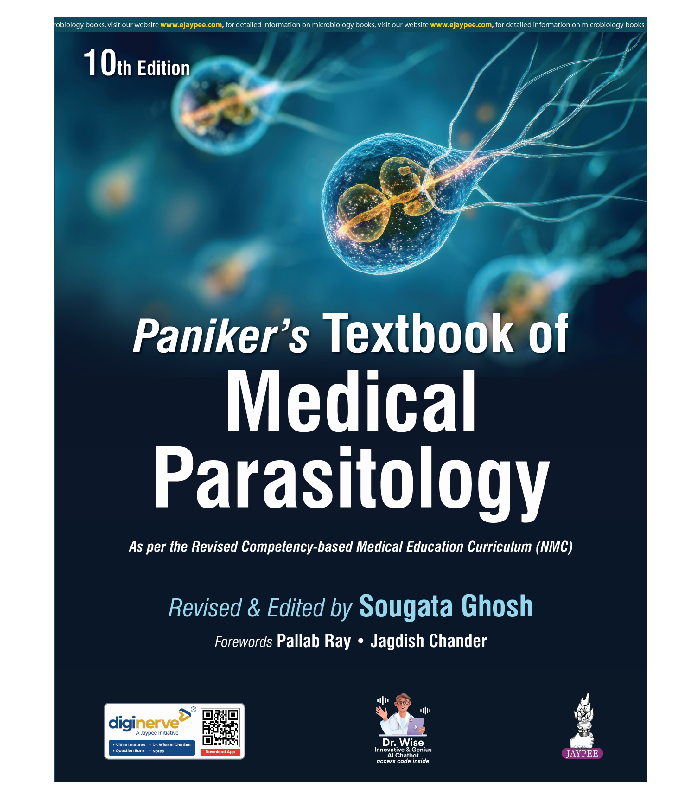
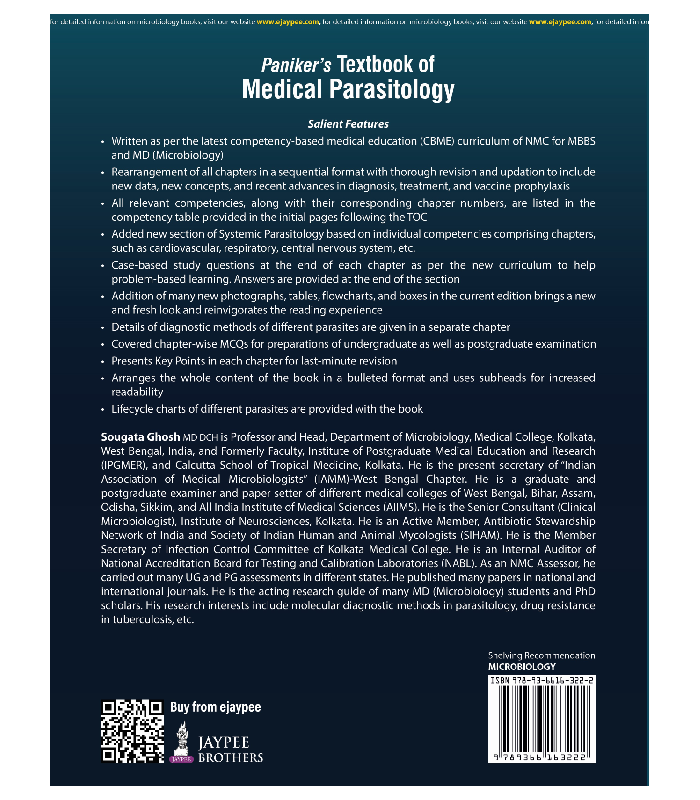
Parasitology involves the study of parasites, including protozoa and helminths, that cause diseases in humans. Common parasitic infections such as malaria, amoebiasis, leishmaniasis, and intestinal worm infestations are covered. Understanding the life cycles, modes of transmission, and diagnostic methods of parasites is especially important in tropical countries where these diseases are prevalent.
Another key aspect is applied and clinical microbiology, which integrates theoretical knowledge with clinical practice. It includes proper collection, transport, and processing of clinical samples such as blood, urine, sputum, and pus. Students learn to interpret laboratory reports and correlate them with clinical findings. Infection control practices, hospital-acquired infections, and antimicrobial stewardship programs are also emphasized to ensure patient safety.
Microbiology also plays a crucial role in public health. It includes the study of epidemiology, outbreak investigation, and disease surveillance. Vaccination programs, sanitation, and hygiene practices are essential strategies discussed for preventing the spread of infectious diseases in the community.
Practical training is an integral part of microbiology education in MBBS. Students perform laboratory exercises, observe cultures, identify microorganisms, and conduct sensitivity testing. These hands-on experiences enhance their diagnostic skills and confidence.
In conclusion, complete microbiology for MBBS provides a comprehensive understanding of microorganisms and their impact on human health. It equips future doctors with the knowledge and skills necessary for diagnosing infections, prescribing appropriate treatments, and implementing preventive measures. Mastery of microbiology is essential not only for academic success but also for effective clinical practice and improving patient care.



Reviews
There are no reviews yet