
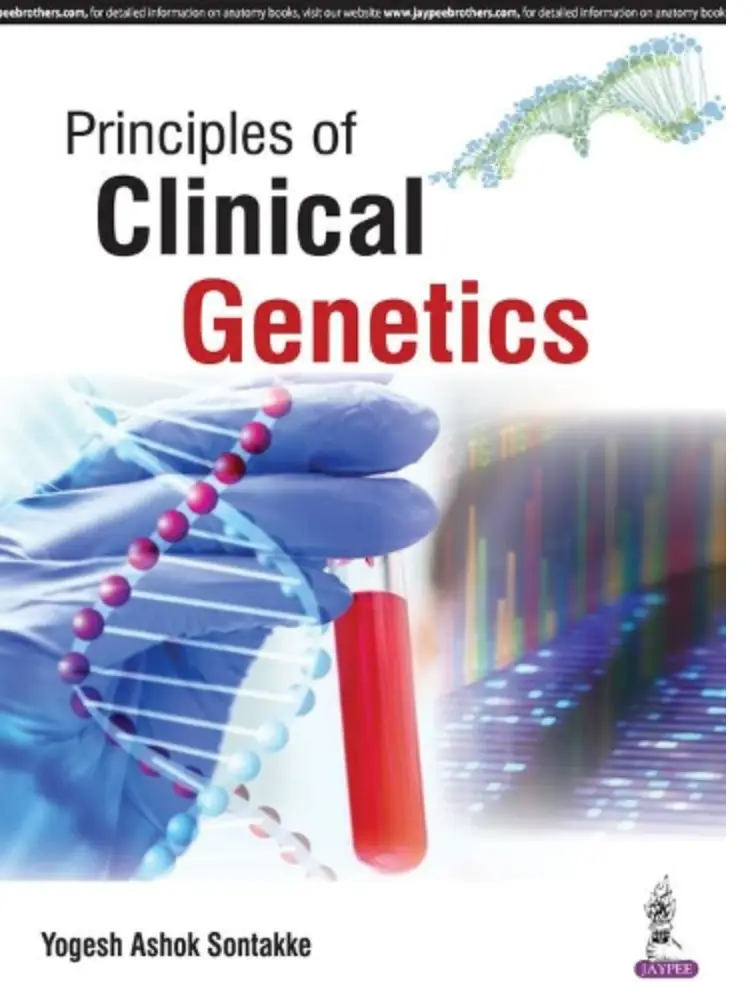


Principles of Clinical Genetics is an important academic resource that introduces the fundamental concepts of genetics as they apply to clinical medicine. The field of clinical genetics focuses on understanding how genetic variations and mutations contribute to human disease, inheritance patterns, diagnosis, and patient management. This discipline combines molecular biology, medical science, and genetic counseling to help identify hereditary conditions and guide treatment strategies.
One of the central topics discussed in clinical genetics is human genetic variation. Every individual carries a unique genetic code composed of DNA organized into chromosomes. Variations in genes can occur naturally or as a result of mutations. While many genetic variations are harmless, some can disrupt normal biological processes and lead to disease. Clinical genetics studies these variations to determine their role in conditions such as inherited metabolic disorders, congenital abnormalities, and hereditary cancers.
The book explains the basic structure and function of genes and chromosomes. Human cells normally contain 46 chromosomes arranged in 23 pairs, with one set inherited from each parent. Genes located on these chromosomes encode proteins that control many biological functions. Mutations in these genes can alter protein structure or function, leading to disease. Clinical geneticists use laboratory techniques such as DNA sequencing, chromosomal analysis, and molecular diagnostics to detect these genetic changes.
Another key concept is patterns of inheritance, which describe how genetic traits or disorders are passed from parents to offspring. The text outlines several common inheritance patterns, including autosomal dominant, autosomal recessive, X-linked, and mitochondrial inheritance. In autosomal dominant conditions, a single altered gene copy can cause disease, while autosomal recessive disorders require two copies of the mutated gene. Understanding inheritance patterns helps clinicians assess disease risk within families and provide accurate genetic counseling.
The book also explores genetic disorders and their clinical manifestations. Examples include chromosomal abnormalities such as Down syndrome, single-gene disorders like cystic fibrosis, and multifactorial diseases influenced by both genetic and environmental factors. Clinical genetics provides tools for early diagnosis, which is essential for effective management and prevention strategies. In some cases, early identification of genetic conditions allows for lifestyle modifications, medical interventions, or reproductive planning.
A major component of clinical genetics is genetic testing and diagnostic techniques. Modern medicine uses a variety of laboratory methods to detect genetic abnormalities. These include karyotyping, fluorescence in situ hybridization (FISH), polymerase chain reaction (PCR), and next-generation sequencing. These technologies enable clinicians to identify gene mutations, chromosomal rearrangements, and other genetic alterations that may contribute to disease.
The field also emphasizes the importance of genetic counseling, which helps patients and families understand genetic conditions, inheritance risks, and available testing options. Genetic counselors provide guidance on reproductive choices, disease prevention, and management strategies. They also address ethical and psychological concerns associated with genetic testing, ensuring that patients make informed decisions.
Another important aspect discussed in Principles of Clinical Genetics is the growing role of genomic medicine. Advances in genome sequencing have allowed researchers to study the entire human genome and identify genetic factors associated with complex diseases such as cancer, cardiovascular disorders, and neurological conditions. Personalized medicine is becoming increasingly important, as treatments can be tailored based on an individual’s genetic profile.
The book also highlights ethical, legal, and social issues related to genetics. Topics such as privacy of genetic information, discrimination based on genetic traits, and responsible use of genetic technologies are important considerations in modern healthcare.
In summary, Principles of Clinical Genetics provides a clear overview of how genetic knowledge is applied in clinical practice. By explaining genetic mechanisms, inheritance patterns, diagnostic methods, and counseling approaches, the book equips healthcare professionals and students with the knowledge needed to understand and manage genetic diseases effectively. It also reflects the rapid progress of genomic science and its increasing impact on modern medicine and personalized healthcare.


Reviews
There are no reviews yet