
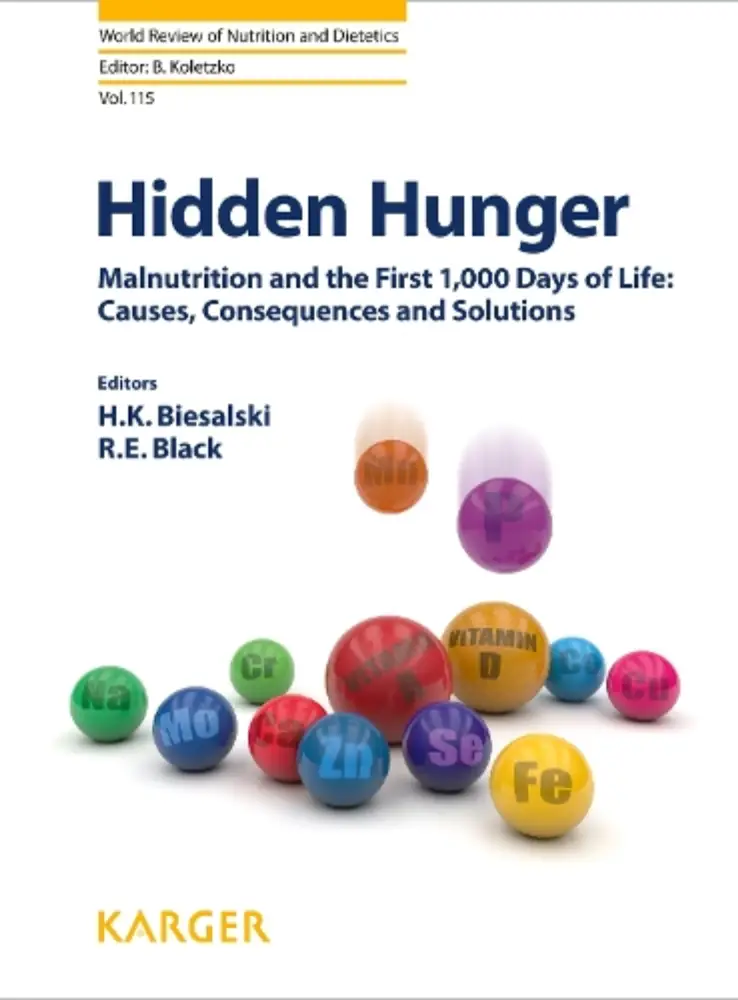


Understanding Hidden Hunger
Hidden hunger refers to a form of malnutrition that occurs when people consume enough calories but lack essential vitamins and minerals required for proper growth and development. Unlike acute hunger, which is visible and often associated with severe undernutrition, hidden hunger is more subtle and difficult to detect. It can exist even in populations where food availability appears adequate. The most common micronutrient deficiencies involve iron, iodine, vitamin A, zinc, and folate.
The book highlights that hidden hunger is particularly dangerous during the first 1,000 days of life—from conception to a child’s second birthday. This period represents a critical window for physical growth, brain development, and immune system formation. Nutritional deficiencies during this time can cause irreversible damage, affecting cognitive ability, physical growth, and long-term health outcomes.
Importance of the First 1,000 Days
The concept of the first 1,000 days has become central in global nutrition strategies. During pregnancy and early childhood, adequate intake of micronutrients is essential for fetal development, healthy birth weight, and early brain formation. Deficiencies in this stage can result in stunting, impaired mental development, weakened immunity, and increased risk of chronic diseases later in life.
The book explains how maternal nutrition plays a key role in determining infant health. Pregnant women who lack adequate nutrients may experience complications such as anemia, poor fetal growth, or premature birth. After birth, infants continue to rely on nutrient-rich diets through breastfeeding and appropriate complementary feeding practices.
Global Burden and Causes
Hidden hunger remains a major global public health challenge, particularly in low- and middle-income countries. Millions of children worldwide suffer from micronutrient deficiencies that affect their survival and development. The causes are complex and include poverty, limited dietary diversity, inadequate maternal nutrition, lack of access to fortified foods, and poor health services.
The book also discusses social and environmental factors that contribute to hidden hunger. These include food insecurity, poor sanitation, infectious diseases, and limited education about nutrition. In many communities, traditional diets may lack essential nutrients, or families may not have access to affordable nutritious foods.
Consequences for Health and Development
Micronutrient deficiencies during the first 1,000 days can lead to serious long-term consequences. Children affected by hidden hunger may experience delayed cognitive development, reduced learning capacity, and lower productivity in adulthood. Physical growth may also be impaired, leading to stunting and increased vulnerability to infections.
The economic impact is equally significant. Countries with high levels of childhood malnutrition often experience reduced workforce productivity and increased healthcare costs. By addressing hidden hunger, nations can improve human capital and promote sustainable development.
Strategies and Solutions
One of the key contributions of this volume is its focus on practical solutions to combat hidden hunger. The authors discuss evidence-based strategies such as micronutrient supplementation, food fortification, and dietary diversification. Programs that provide iron, iodine, vitamin A, and other essential nutrients to pregnant women and young children have shown substantial benefits.
Food fortification is highlighted as a cost-effective approach to improving population nutrition. Fortifying staple foods like flour, salt, or cooking oil with essential micronutrients can significantly reduce deficiencies at a large scale. In addition, promoting breastfeeding and improving complementary feeding practices are critical components of early childhood nutrition programs.
The book also emphasizes the importance of public health policies, community education, and international collaboration in addressing malnutrition. Governments, healthcare systems, and global organizations must work together to implement sustainable nutrition interventions.
Conclusion
Hidden Hunger: Malnutrition and the First 1,000 Days of Life: Causes, Consequences and Solutions provides an in-depth analysis of one of the most pressing nutrition challenges worldwide. By focusing on the critical early period of life, the book highlights the importance of timely nutritional interventions to protect child health and development. Through research, policy recommendations, and practical strategies, this volume contributes valuable knowledge toward eliminating micronutrient deficiencies and improving global nutrition outcomes.






Reviews
There are no reviews yet