
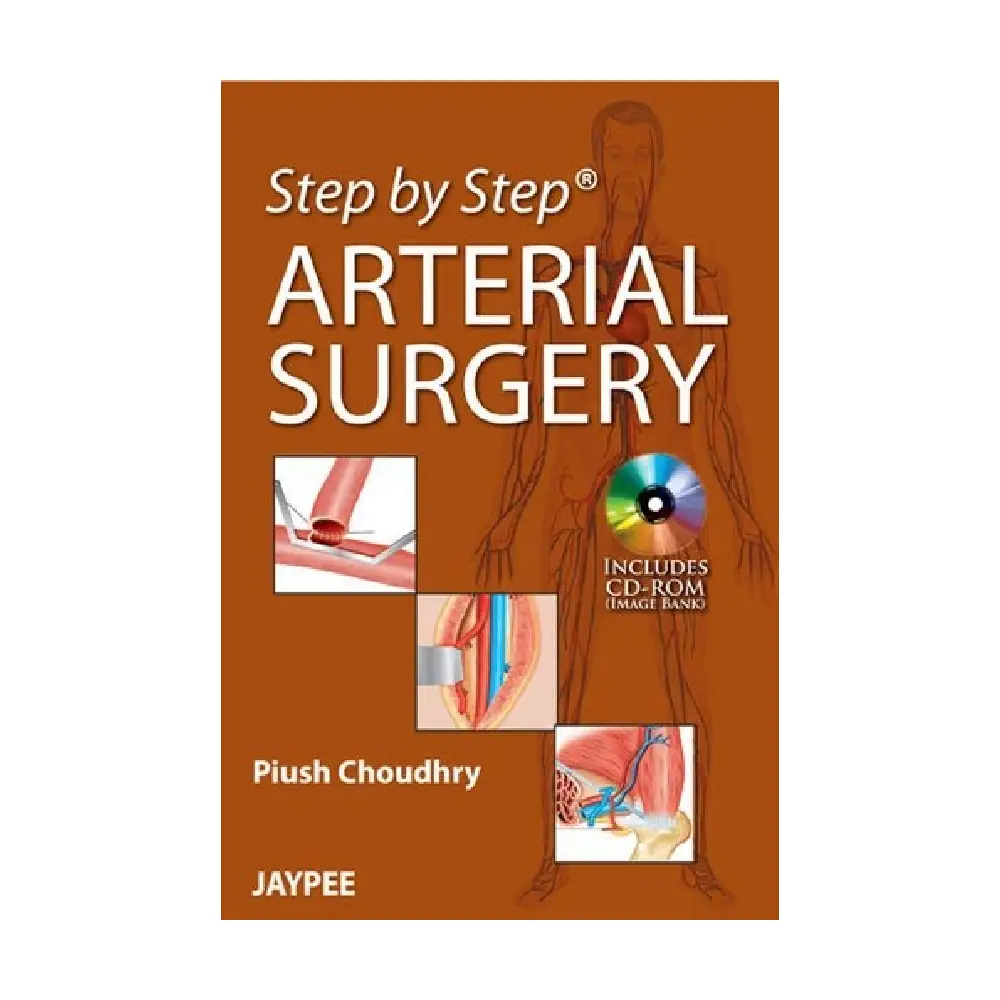
Step by Step: Arterial Surgery
Step by Step: Arterial Surgery is a concise, procedure-focused surgical atlas designed to guide trainees and practicing vascular surgeons through the technical foundations of arterial operations. Edited by Alan Jamieson, this volume in the well-known Step by Step surgical series emphasizes clarity, operative sequencing, and safe technique. It is particularly valued for translating complex vascular procedures into structured, reproducible steps supported by high-quality illustrations and practical commentary.
Purpose and Audience
Arterial surgery demands precision, anatomical mastery, and meticulous tissue handling. This book is written primarily for:
-
Vascular surgery trainees
-
General surgery residents with vascular exposure
-
Consultant surgeons seeking a procedural refresher
-
Operating theatre teams supporting vascular procedures
Rather than presenting exhaustive theoretical discussion, the text focuses on how to perform operations safely and effectively, making it ideal for pre-operative preparation and intra-training revision.
Structure and Organization
The book is organized anatomically and procedurally, covering major arterial territories from the neck to the lower limbs. Each chapter typically follows a consistent format:
-
Indications and patient selection
-
Relevant surgical anatomy
-
Preoperative preparation
-
Operative steps (step-by-step format)
-
Technical tips and pitfalls
-
Postoperative care and complications
This structured approach reinforces disciplined operative planning and logical progression through each procedure.
Core Topics Covered
1. Carotid Artery Surgery
Carotid endarterectomy is a cornerstone operation in vascular surgery. The text outlines:
-
Patient positioning and incision planning
-
Identification and protection of cranial nerves
-
Arteriotomy technique
-
Plaque removal and endarterectomy plane development
-
Patch closure versus primary closure
Clear diagrams highlight critical structures such as the hypoglossal and vagus nerves, helping reduce the risk of neurological injury.
2. Aortic Surgery
Open abdominal aortic aneurysm (AAA) repair is described in detail, including:
-
Exposure of the infrarenal aorta
-
Proximal and distal control
-
Aneurysm sac opening
-
Graft selection and anastomosis
-
Hemostasis and closure
The book emphasizes clamp placement strategy, prevention of embolization, and management of back-bleeding lumbar arteries. Technical pearls focus on minimizing blood loss and maintaining organ perfusion.
3. Peripheral Arterial Bypass
Lower limb ischemia management is a major component of arterial surgery. Procedures described include:
-
Femoral endarterectomy
-
Femoropopliteal bypass
-
Distal bypass grafting
Stepwise guidance explains vessel exposure, tunneling techniques, graft handling (autologous vein versus prosthetic graft), and creation of tension-free anastomoses. Special attention is given to maintaining graft patency and preventing thrombosis.
4. Upper Limb and Visceral Arteries
Although less common, operations on subclavian, renal, and mesenteric arteries are also addressed. These sections help broaden understanding of arterial reconstruction beyond routine lower-limb procedures.
Educational Strengths
Step-by-Step Format
The defining feature of this book is its procedural breakdown. Each operation is divided into logical, sequential actions. This format:
-
Reduces cognitive overload in the operating room
-
Reinforces safe operative habits
-
Makes complex procedures easier to learn
Illustrations and Visual Learning
High-quality line drawings clearly depict:
-
Surgical exposure
-
Vessel anatomy
-
Anastomotic techniques
-
Clamp placement
Visual representation is especially critical in vascular surgery, where depth, orientation, and fine detail determine success.
Practical Tips and Pitfalls
The author includes advice drawn from real operative experience, such as:
-
How to avoid intimal flap creation
-
Strategies for difficult vessel control
-
Methods to handle calcified arteries
-
Prevention of air embolism
These insights help bridge the gap between textbook knowledge and real-world surgical challenges.
Emphasis on Safety and Complications
Arterial surgery carries significant risks, including bleeding, thrombosis, embolism, and ischemia. The book discusses:
-
Anticoagulation principles
-
Intraoperative heparin use
-
Management of clamp-related complications
-
Recognition and treatment of graft occlusion
-
Postoperative monitoring for limb perfusion
By integrating complication management into each procedural discussion, the text promotes a safety-first mindset.
Relevance in Modern Practice
Although endovascular techniques (angioplasty, stenting, EVAR) have transformed vascular surgery, open arterial surgery remains essential. Complex anatomy, unsuitable lesions, and emergency situations still require traditional operative skills. This book therefore remains relevant for:
-
Surgeons training in hybrid vascular practice
-
Centers where open surgery is frequently performed
-
Examination preparation (e.g., FRCS and equivalent board exams)
Understanding open arterial reconstruction also deepens comprehension of vascular anatomy and pathology, even for endovascular specialists.
Writing Style and Usability
The language is clear, direct, and clinically oriented. The portable format makes it convenient for:
-
Pre-operative reading the night before surgery
-
Quick revision during training rotations
-
Teaching sessions with junior trainees
It is not intended to replace comprehensive vascular surgery textbooks but rather to complement them with focused procedural clarity.
Conclusion
Step by Step: Arterial Surgery is a practical, visually guided manual that demystifies complex arterial operations through structured explanation and expert technical advice. By emphasizing operative sequence, anatomical precision, and complication avoidance, it supports the development of safe and competent vascular surgeons.


Reviews
There are no reviews yet