
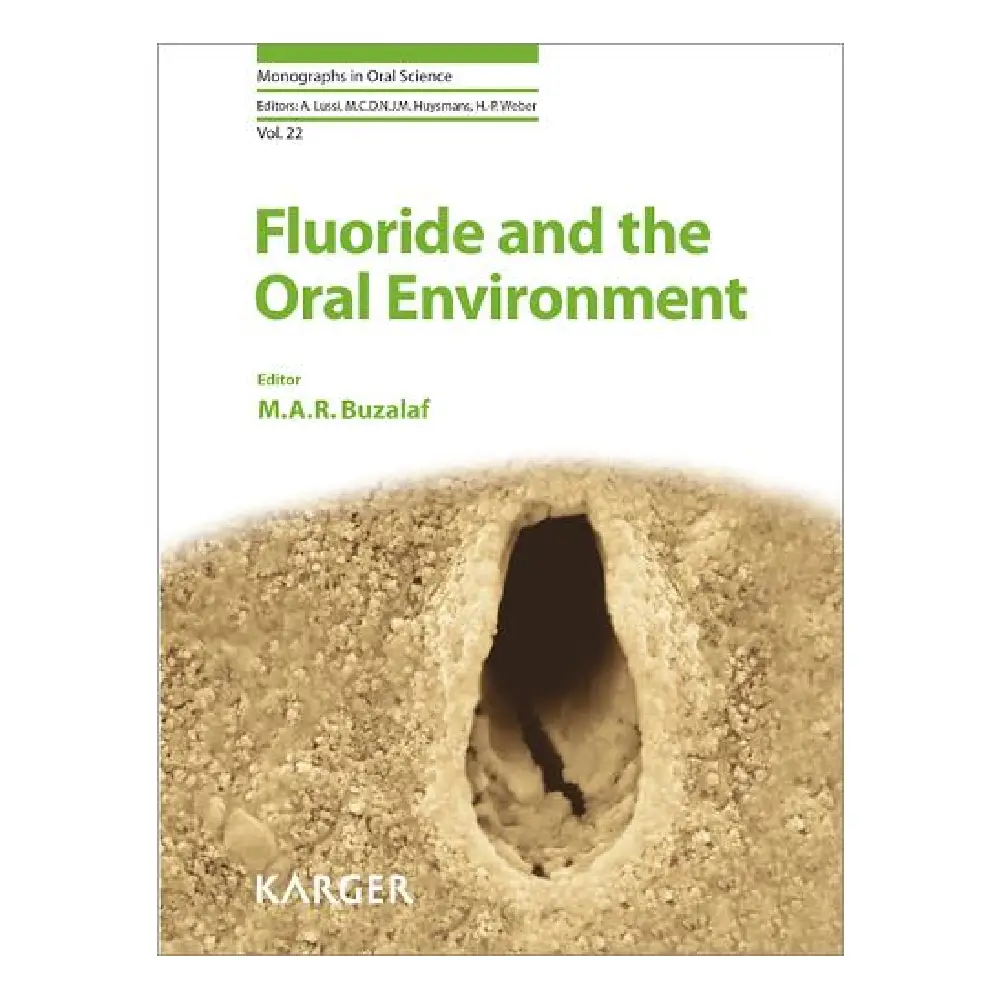


Fluoride and the Oral Environment
Fluoride is a naturally occurring mineral widely recognized for its significant role in maintaining oral health. It is commonly present in varying concentrations in water, soil, plants, and many dental care products. The relationship between fluoride and the oral environment has been extensively studied because of its preventive effects against dental caries. The importance of fluoride in public health dentistry is also emphasized by the World Health Organization, which supports controlled fluoride use for caries prevention while monitoring safety levels.
The primary mechanism by which fluoride protects teeth is through its interaction with tooth enamel and dental plaque. Tooth enamel is mainly composed of hydroxyapatite crystals, which are vulnerable to acid dissolution produced by bacterial metabolism. When fluoride is present in the oral environment, it replaces hydroxyl ions in hydroxyapatite to form fluorapatite. This fluorapatite structure is more resistant to acid attack and helps maintain enamel integrity. Consequently, teeth exposed to optimal fluoride levels show reduced susceptibility to demineralization.
Fluoride also plays a crucial role in the remineralization process. In the oral cavity, teeth undergo continuous cycles of demineralization and remineralization depending on dietary habits, bacterial activity, and saliva composition. Fluoride enhances remineralization by attracting calcium and phosphate ions to early carious lesions. This process helps reverse initial enamel damage before cavitation occurs. The presence of fluoride in saliva and dental plaque ensures that remineralization is sustained over time, especially after meals when acid production increases.
Another important effect of fluoride is its influence on oral microorganisms. Fluoride can inhibit bacterial enzyme activity, particularly enzymes involved in carbohydrate metabolism. By suppressing glycolysis in cariogenic bacteria such as Streptococcus mutans, fluoride reduces acid production within dental plaque. This action lowers plaque acidity and helps maintain a more neutral oral pH, creating an unfavorable environment for caries development.
Fluoride can be delivered to the oral environment through systemic and topical methods. Systemic fluoride is obtained through fluoridated drinking water, dietary supplements, and certain foods. Water fluoridation has been considered one of the most cost-effective public health measures for reducing dental caries in communities with low fluoride exposure. Topical fluoride delivery includes toothpaste, mouth rinses, gels, and varnishes. Among these, fluoridated toothpaste is the most widely used and contributes significantly to caries prevention when used regularly.
Despite its benefits, fluoride must be maintained within an optimal concentration range because excessive fluoride exposure can lead to adverse effects. Dental fluorosis is the most common consequence of chronic high fluoride intake during tooth development. This condition is characterized by enamel hypomineralization, resulting in white streaks, mottling, or, in severe cases, enamel surface defects. Therefore, monitoring fluoride exposure from all sources is important, especially in children whose permanent teeth are still developing.
The effectiveness of fluoride is also influenced by saliva. Saliva acts as a natural buffer in the oral cavity and helps distribute fluoride ions across tooth surfaces. Individuals with reduced salivary flow, such as patients undergoing radiation therapy or those with certain systemic diseases, are at higher risk of dental caries and may benefit from professionally applied fluoride treatments.
Modern dentistry emphasizes the concept of maintaining low but constant fluoride levels in the oral environment rather than relying on high intermittent doses. Frequent exposure to small amounts of fluoride helps sustain protective effects without increasing toxicity risk. This approach has shaped contemporary recommendations for fluoride toothpaste usage and community fluoridation programs.
In conclusion, fluoride is an essential component of oral health maintenance due to its ability to strengthen enamel, promote remineralization, and inhibit bacterial activity. Balanced fluoride exposure is necessary to maximize caries prevention while avoiding potential side effects such as fluorosis. Continued research and public health monitoring are important to optimize fluoride use and ensure safe dental health outcomes for populations worldwide.


Reviews
There are no reviews yet