
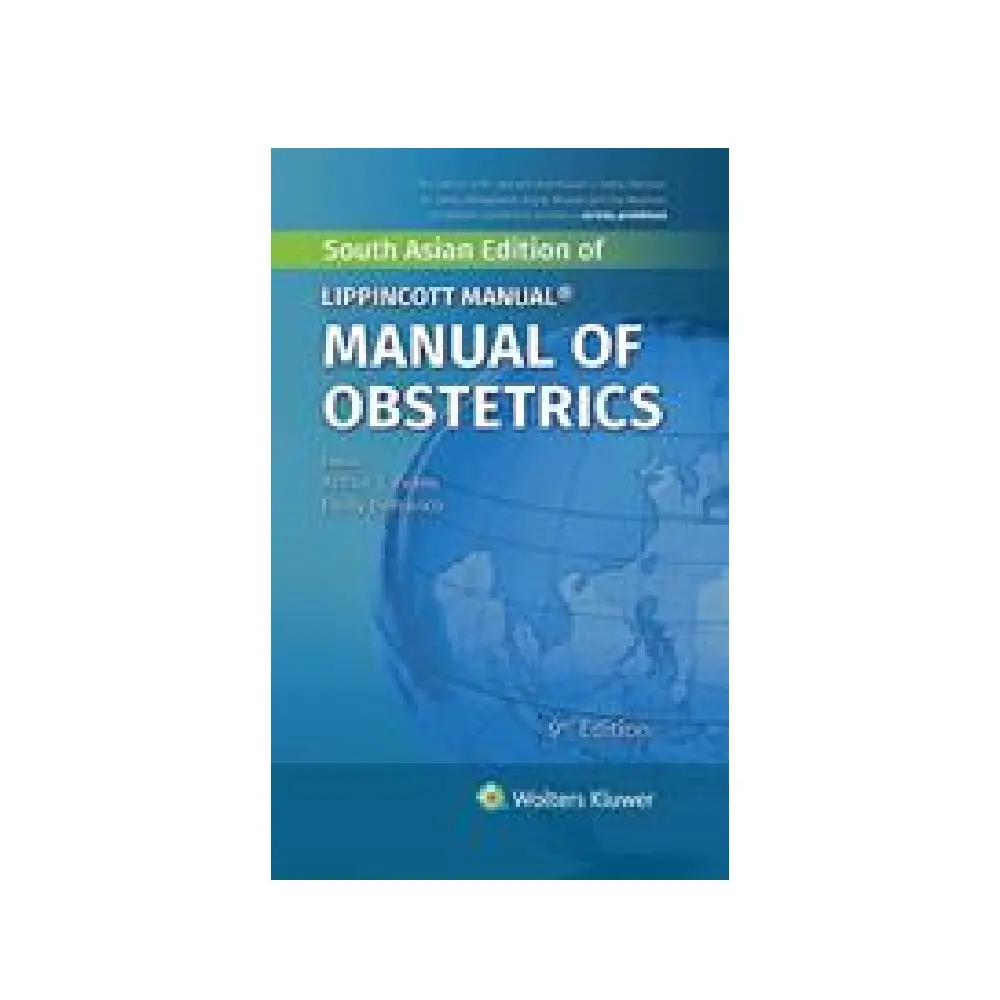


Manual of Obstetrics
Manual of Obstetrics is a comprehensive clinical guide designed to provide medical students, postgraduate trainees, and practicing clinicians with a structured understanding of obstetric principles and practical management of pregnancy and childbirth. The book serves as a concise yet authoritative reference that bridges the gap between theoretical obstetric knowledge and real-world clinical practice. It emphasizes evidence-based medicine, standardized protocols, and step-wise clinical decision-making to help healthcare professionals manage normal and high-risk pregnancies effectively.
The primary objective of the Manual of Obstetrics is to simplify complex obstetric concepts into easily understandable formats without compromising scientific accuracy. The book is especially useful for undergraduate medical students preparing for examinations, as well as for residents and practitioners who require quick clinical guidance during patient care. The content is organized systematically, covering the physiology of pregnancy, antenatal care, intrapartum management, and postpartum care. Each chapter is structured to provide essential information, clinical relevance, and practical management algorithms.
One of the key strengths of the manual is its detailed explanation of normal pregnancy physiology and maternal adaptations during gestation. It discusses hormonal changes, cardiovascular adjustments, hematological variations, and metabolic alterations occurring during pregnancy. Understanding these physiological mechanisms is crucial for differentiating normal pregnancy changes from pathological conditions. The book also highlights the importance of proper antenatal care, including maternal screening, nutritional counseling, immunization, and early detection of complications.
The section on high-risk pregnancy management is particularly valuable, as it addresses common obstetric complications such as hypertensive disorders, gestational diabetes, anemia, and fetal growth abnormalities. The manual provides practical guidelines for screening, diagnosis, and treatment planning. Conditions such as preeclampsia and eclampsia are explained with emphasis on emergency management protocols, antihypertensive therapy, and seizure prevention strategies. Similarly, metabolic disorders during pregnancy are discussed with attention to maternal and fetal outcomes.
Labor management is another important component of the book. It describes the stages of labor, assessment of labor progress, fetal monitoring techniques, and indications for intervention. The manual stresses the importance of partograph use in monitoring labor dynamics and preventing prolonged labor complications. It also covers analgesia options, induction and augmentation of labor, and operative delivery indications. Procedures such as vacuum extraction and forceps delivery are explained in a clinically oriented manner.
The book provides detailed coverage of obstetric emergencies, which is essential for improving maternal and neonatal survival. Topics such as postpartum hemorrhage, shoulder dystocia, amniotic fluid embolism, and uterine rupture are presented with clear management steps. Emergency obstetric care protocols are highlighted to ensure rapid clinical response in critical situations. These sections are particularly useful for practitioners working in resource-limited settings where timely intervention is crucial.
Postpartum care and lactation management are also included in the manual. The text explains puerperal physiological changes, breastfeeding techniques, and identification of postpartum complications such as infection and hemorrhage. Family planning counseling and contraception options are discussed to promote maternal health and prevent unintended pregnancies.
The writing style of the book is simple, concise, and clinically focused. Tables, flowcharts, and summary boxes are extensively used to enhance readability and facilitate rapid revision. The inclusion of diagnostic criteria, treatment dosages, and management algorithms makes the manual a practical bedside reference. Modern obstetric guidelines and updated clinical recommendations are incorporated to maintain relevance with current medical practice.
In addition to clinical management, the book also addresses ethical and preventive aspects of obstetrics. It emphasizes patient-centered care, informed consent, and safe delivery practices. Public health perspectives such as maternal mortality reduction strategies and antenatal surveillance programs are also discussed.
Overall, Manual of Obstetrics is an essential learning resource that combines theoretical knowledge with practical clinical application. Its clear presentation, comprehensive coverage, and examination-oriented approach make it a valuable companion for medical students and healthcare professionals involved in maternal and fetal care. The manual continues to be widely used in obstetric education and clinical training programs.


Reviews
There are no reviews yet