
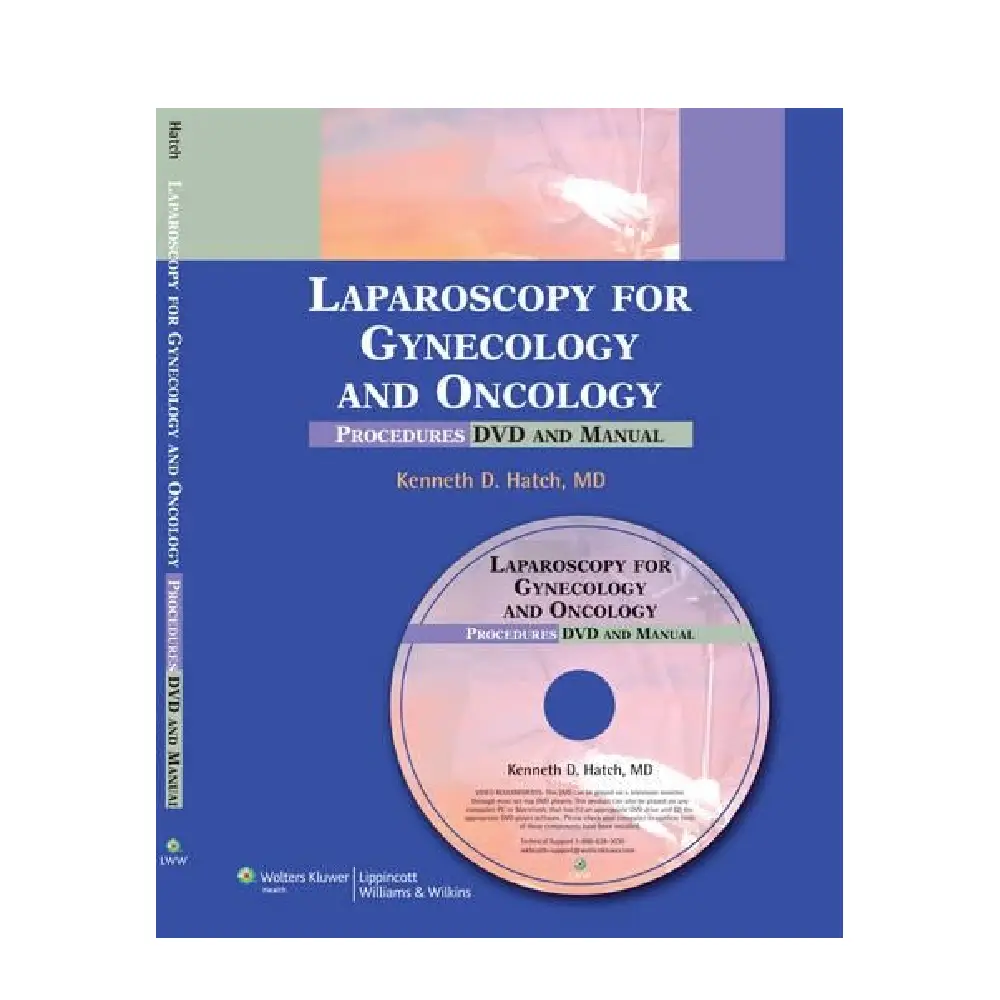

Laparoscopy for Gynecology and Oncology Procedures – DVD and Manual
Laparoscopy for Gynecology and Oncology Procedures – DVD and Manual is a comprehensive educational resource designed to provide structured training in minimally invasive gynecologic and gynecologic oncology surgery. Combining a detailed printed manual with a step-by-step procedural DVD, this resource bridges the gap between theoretical knowledge and operative expertise. It is particularly valuable for postgraduate trainees, practicing gynecologists, gynecologic oncologists, and surgeons seeking to refine their laparoscopic skills in both benign and malignant conditions.
The manual begins with foundational principles of laparoscopy, including instrumentation, operating room setup, ergonomics, patient positioning, trocar placement, and safe entry techniques. Emphasis is placed on understanding pelvic anatomy from a laparoscopic perspective, which differs significantly from open surgical views. Clear diagrams and intraoperative photographs guide readers through anatomical landmarks, vascular structures, ureteric course, and spaces relevant to oncologic dissection such as the paravesical and pararectal spaces.
A major strength of this resource is its structured presentation of basic to advanced procedures. In gynecology, the manual covers diagnostic laparoscopy, laparoscopic management of ovarian cysts, ectopic pregnancy, endometriosis, adhesiolysis, myomectomy, and hysterectomy. Each procedure is described step-wise, including indications, contraindications, preoperative preparation, surgical steps, intraoperative decision-making, complication management, and postoperative care. The DVD component complements these descriptions by demonstrating real surgical footage with expert narration, allowing learners to visualize tissue handling, energy application, suturing techniques, and anatomical orientation in real time.
The oncology section is particularly valuable for surgeons involved in cancer care. It details laparoscopic staging procedures for endometrial and early cervical cancer, including pelvic and para-aortic lymphadenectomy, radical hysterectomy, and omentectomy where indicated. The manual discusses oncologic principles such as tumor handling, avoidance of spillage, specimen retrieval techniques, and port-site metastasis prevention. Special attention is given to maintaining oncologic safety while leveraging the benefits of minimally invasive surgery.
Advanced techniques such as retroperitoneal space development, ureteric dissection, bladder mobilization, and vascular control are described with clarity. The DVD offers high-definition surgical recordings that demonstrate lymph node dissection boundaries, identification of major vessels, and safe use of energy devices. These visual demonstrations are crucial for understanding depth perception, instrument triangulation, and ergonomic efficiency—skills that cannot be fully conveyed through text alone.
Another important component is complication management. The manual addresses prevention and management of common laparoscopic complications such as vascular injury, bowel injury, ureteric damage, and conversion to laparotomy. Strategies for troubleshooting intraoperative challenges are discussed, fostering confidence and preparedness in surgical practice.
The educational design of this DVD and manual reflects modern surgical training principles. It encourages stepwise skill acquisition, beginning with simulation and basic procedures before progressing to advanced oncologic surgeries. Checklists, procedural summaries, and key learning points enhance retention and make the material suitable for self-directed learning as well as structured training programs.
Benefits of laparoscopic surgery—such as reduced blood loss, shorter hospital stay, faster recovery, less postoperative pain, and improved cosmetic outcomes—are highlighted throughout the text. In oncologic cases, the manual discusses evidence supporting minimally invasive approaches in selected early-stage cancers while emphasizing careful patient selection and adherence to oncologic guidelines.
This resource is also useful for teaching institutions and skill development workshops. The DVD format allows repeated viewing of complex procedures, enabling learners to observe critical steps multiple times. Faculty members can use the material for case discussions, morbidity reviews, and operative planning sessions.
In summary, Laparoscopy for Gynecology and Oncology Procedures – DVD and Manual is a practical and visually rich guide that integrates theory with operative demonstration. It serves as an essential learning tool for surgeons seeking proficiency in minimally invasive gynecologic and oncologic surgery. By combining structured written content with real-time surgical footage, it supports safe surgical practice, enhances technical competence, and promotes adherence to oncologic principles in the era of advanced laparoscopy.




Reviews
There are no reviews yet