
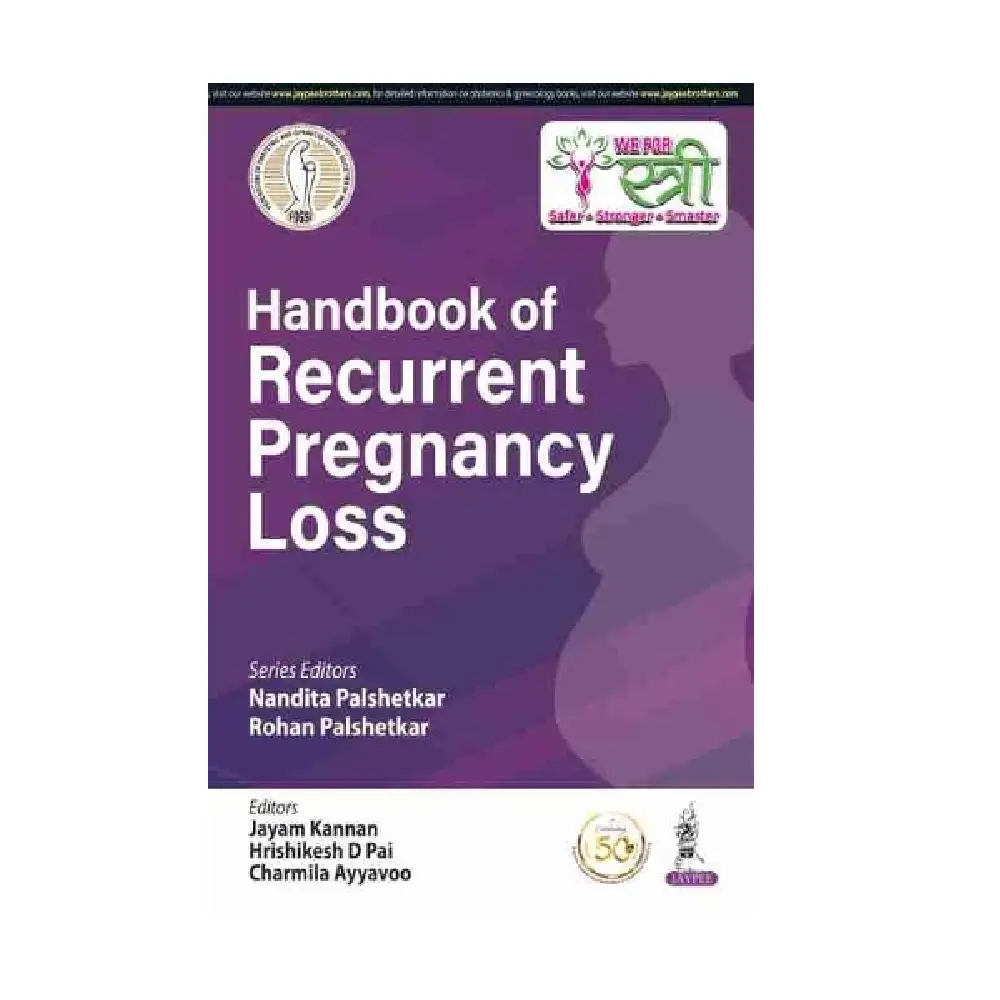

Handbook of Recurrent Pregnancy Loss
The Handbook of Recurrent Pregnancy Loss is a comprehensive clinical reference designed for healthcare professionals involved in the evaluation and management of recurrent pregnancy loss (RPL). Recurrent pregnancy loss is a complex reproductive disorder characterized by the occurrence of multiple consecutive miscarriages, usually defined as two or more pregnancy losses before fetal viability. This handbook provides an evidence-based approach to understanding the multifactorial nature of the condition and offers practical guidance for diagnosis, counseling, and treatment strategies.
The book focuses on the pathophysiology of recurrent miscarriage, emphasizing the interaction between genetic, anatomical, immunological, endocrine, and environmental factors. It begins with an overview of normal pregnancy maintenance and highlights how disruptions in early embryonic development can lead to pregnancy failure. Special attention is given to chromosomal abnormalities, which are among the most common causes of early pregnancy loss. The text explains how parental chromosomal rearrangements, such as balanced translocations, contribute to recurrent miscarriage risk and how genetic counseling plays an essential role in affected couples.
Another important section of the handbook discusses uterine anatomical abnormalities. Congenital malformations such as septate uterus, bicornuate uterus, and intrauterine adhesions are examined in detail. The book provides guidance on diagnostic modalities including ultrasonography, hysterosalpingography, and hysteroscopy for accurate structural assessment. Surgical correction techniques and their outcomes are also described, helping clinicians make informed decisions regarding operative intervention.
Endocrine disorders are recognized as significant contributors to recurrent pregnancy loss. The handbook explores conditions such as uncontrolled diabetes mellitus, thyroid dysfunction, and luteal phase insufficiency. It explains how hormonal imbalance affects implantation and early placental development. Management protocols include optimization of metabolic control, thyroid hormone replacement therapy when indicated, and consideration of progesterone supplementation in selected patients.
Immunological causes of recurrent miscarriage are discussed extensively, reflecting growing research interest in this area. The role of antiphospholipid antibody syndrome is highlighted as one of the most established treatable causes of pregnancy loss. The book explains diagnostic criteria, laboratory investigations, and therapeutic options such as low-dose aspirin and heparin therapy. Other immunological mechanisms involving natural killer cells, cytokines, and maternal-fetal immune tolerance are also reviewed.
The psychological impact of recurrent pregnancy loss is another important theme covered in the handbook. Couples experiencing repeated miscarriages often suffer from anxiety, depression, and emotional distress. The book emphasizes the importance of compassionate counseling and psychological support as integral components of management. Patient-centered care and shared decision-making are encouraged to improve treatment adherence and emotional well-being.
Lifestyle and environmental factors are also addressed. Smoking, alcohol consumption, obesity, and occupational exposures can negatively influence pregnancy outcomes. The handbook provides practical recommendations for preconception health optimization, including nutritional supplementation such as folic acid and lifestyle modification strategies.
Modern diagnostic advances have significantly improved the evaluation of recurrent pregnancy loss. The book reviews the role of molecular genetics, thrombophilia screening, and advanced imaging techniques. However, it also stresses the importance of individualized assessment since many cases of recurrent miscarriage remain unexplained despite extensive investigation.
Treatment strategies discussed in the handbook are based on current clinical evidence. Management is tailored according to the identified cause. For example, surgical repair is recommended for uterine structural defects, while anticoagulation therapy is used for thrombophilic disorders. Hormonal therapy, immunomodulation, and assisted reproductive technologies are explored as potential options in selected cases.
The handbook also provides guidance on pregnancy monitoring in women with a history of recurrent loss. Early antenatal surveillance, serial ultrasound examinations, and appropriate medication adjustments are emphasized to improve live birth rates. Preventive strategies are discussed to help clinicians reduce the risk of future pregnancy failure.
In conclusion, the Handbook of Recurrent Pregnancy Loss serves as a valuable resource for obstetricians, gynecologists, reproductive medicine specialists, and medical trainees. Its evidence-based content, practical clinical guidance, and comprehensive coverage of etiological factors make it an important reference for modern reproductive healthcare practice. The book contributes significantly to improving diagnostic accuracy, patient counseling, and therapeutic outcomes in the management of recurrent pregnancy loss.





Reviews
There are no reviews yet