
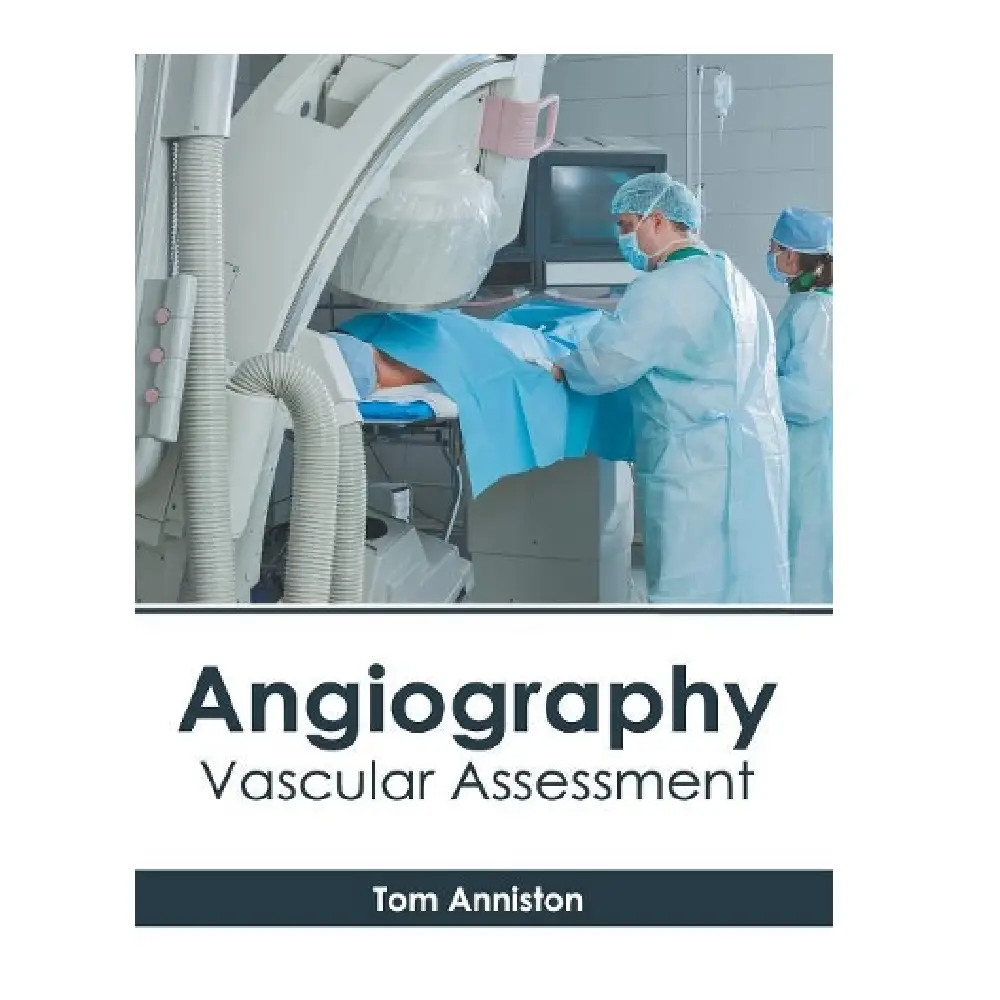

Angiography & Vascular Assessment: A Comprehensive Overview
Angiography and vascular assessment are foundational components in modern diagnostic medicine, enabling clinicians to visualize blood vessels, assess blood flow, and diagnose vascular abnormalities throughout the body. These techniques have revolutionized how cardiovascular and peripheral vascular diseases are identified and managed, offering high‑resolution images of arteries and veins that were once inaccessible without open surgery.
What Is Angiography?
Angiography refers to a group of imaging procedures used to visualize the interior lumen of blood vessels. It is most commonly used for arteries, though venous angiographic studies are also clinically significant. The name derives from Greek: “angio” meaning vessel and “graphy” meaning to record or image.
At its core, angiography involves the introduction of a contrast medium — typically iodine‑based — into the bloodstream, followed by imaging using X‑ray, computed tomography (CT), or magnetic resonance imaging (MRI). As the contrast flows through the vascular system, it outlines the vessel lumen, revealing areas of narrowing (stenosis), obstruction, dilation (aneurysm), or malformation. These images provide a roadmap of vascular anatomy critical for diagnosis and interventional planning.
Types of Angiography
-
Digital Subtraction Angiography (DSA):
DSA is the traditional gold standard. X‑ray images are taken before and after contrast administration, and specialized software subtracts background tissues to produce clear images of vessels. It remains widely used in interventional radiology due to its real‑time capabilities. -
Computed Tomography Angiography (CTA):
CTA uses a CT scanner combined with rapid contrast injection. It produces highly detailed 3D images of arteries and veins, making it invaluable for evaluating coronary arteries, aorta, carotid vessels, and peripheral arteries with excellent spatial resolution. -
Magnetic Resonance Angiography (MRA):
MRA uses magnetic resonance without ionizing radiation. Contrast‑enhanced MRA and non‑contrast techniques visualize vascular structures, making them suitable for patients with renal impairment or contrast allergies. -
Ultrasound‑based Assessment (Doppler):
While not a classic angiographic technique, Doppler ultrasound is a cornerstone of vascular assessment. It uses sound waves to measure blood flow velocity and direction and can detect blockages or abnormal flow patterns in peripheral vessels.
Indications for Vascular Assessment
Angiography and vascular assessment are indicated in a broad range of clinical scenarios:
-
Coronary artery disease (CAD): Detecting stenosis or blockage in coronary arteries that can lead to angina or myocardial infarction.
-
Peripheral arterial disease (PAD): Assessing reduced blood flow to the limbs, often due to atherosclerosis.
-
Cerebrovascular disease: Evaluating carotid or intracranial vessels in patients with transient ischemic attacks (TIA) or stroke.
-
Aneurysms and dissections: Detecting abnormal vessel dilation or wall separation in the aorta or cerebral vessels.
-
Renal artery stenosis: Evaluating blood flow impairment to the kidneys which can contribute to hypertension.
-
Pre‑surgical planning: Mapping vessels prior to bypass surgery, organ transplant, or tumor resection.
How Angiographic Procedures Work
Preparation:
Patients typically fast before angiography and undergo assessment of renal function due to contrast use. Allergies to contrast agents and anticoagulant status are also reviewed.
Procedure:
-
A catheter is introduced into an artery (commonly femoral or radial) under local anesthesia.
-
With fluoroscopic guidance, the catheter is advanced to the target location.
-
Contrast is injected while X‑ray images are acquired in real time.
-
Frames are captured as the contrast fills the vessel network, allowing dynamic assessment of flow and anatomy.
CTA and MRA differ in that contrast is injected peripherally, and imaging is obtained through advanced scanner sequences without real‑time catheter manipulation.
Interpretation of Images
Images from angiography are evaluated for:
-
Stenosis: Percentage narrowing of a vessel, often graded to guide treatment thresholds.
-
Occlusion: Complete blockage, often requiring bypass or endovascular intervention.
-
Aneurysm morphology: Size and shape, which influence decisions on repair versus surveillance.
-
Collateral flow: Secondary vessels that develop around chronic blockages, indicating chronicity.
-
Plaque characteristics: Calcified versus soft plaques, which affect procedural risk.
Radiologists and cardiologists use standardized grading systems such as the Society for Cardiovascular Angiography and Interventions (SCAI) and North American Symptomatic Carotid Endarterectomy Trial (NASCET) criteria to quantify findings.
Clinical Impact
Angiography has transformed patient care:
-
Guiding interventions: Angioplasty, stenting, and embolization are often performed during angiographic procedures.
-
Reducing mortality: Early identification of coronary blockages has significantly reduced cardiac death rates.
-
Avoiding unnecessary surgery: Detailed imaging allows clinicians to determine whether conservative management is appropriate.
-
Monitoring disease progression: Serial assessments inform risk stratification and therapeutic adjustments.
Risks and Limitations
Although generally safe, angiographic procedures involve potential risks:
-
Contrast reactions — temporary nausea to rare anaphylaxis.
-
Radiation exposure — minimized through modern protocols.
-
Access site complications — bleeding, hematoma, or pseudoaneurysm.
-
Nephropathy — contrast‑induced kidney injury risk in predisposed patients.
Advances such as low‑dose protocols, non‑contrast MRA techniques, and enhanced Doppler imaging continue to mitigate these risks.
Future Directions
The field continues to evolve with:
-
Functional angiography — combining flow dynamics with structural imaging.
-
Artificial intelligence (AI) — enhancing image interpretation and risk prediction.
-
Minimally invasive imaging — reducing reliance on ionizing radiation and invasive access.
-
Molecular imaging — identifying early disease at the cellular level before structural change.
Conclusion
Angiography and vascular assessment remain central to diagnosing and managing vascular disease. By providing detailed visualization of blood vessels, these techniques enable clinicians to detect pathology early, guide life‑saving interventions, and tailor treatment to individual patient needs. As technology advances, angiographic imaging will continue to expand in precision, safety, and clinical utility, shaping the future of cardiovascular care.




Reviews
There are no reviews yet