
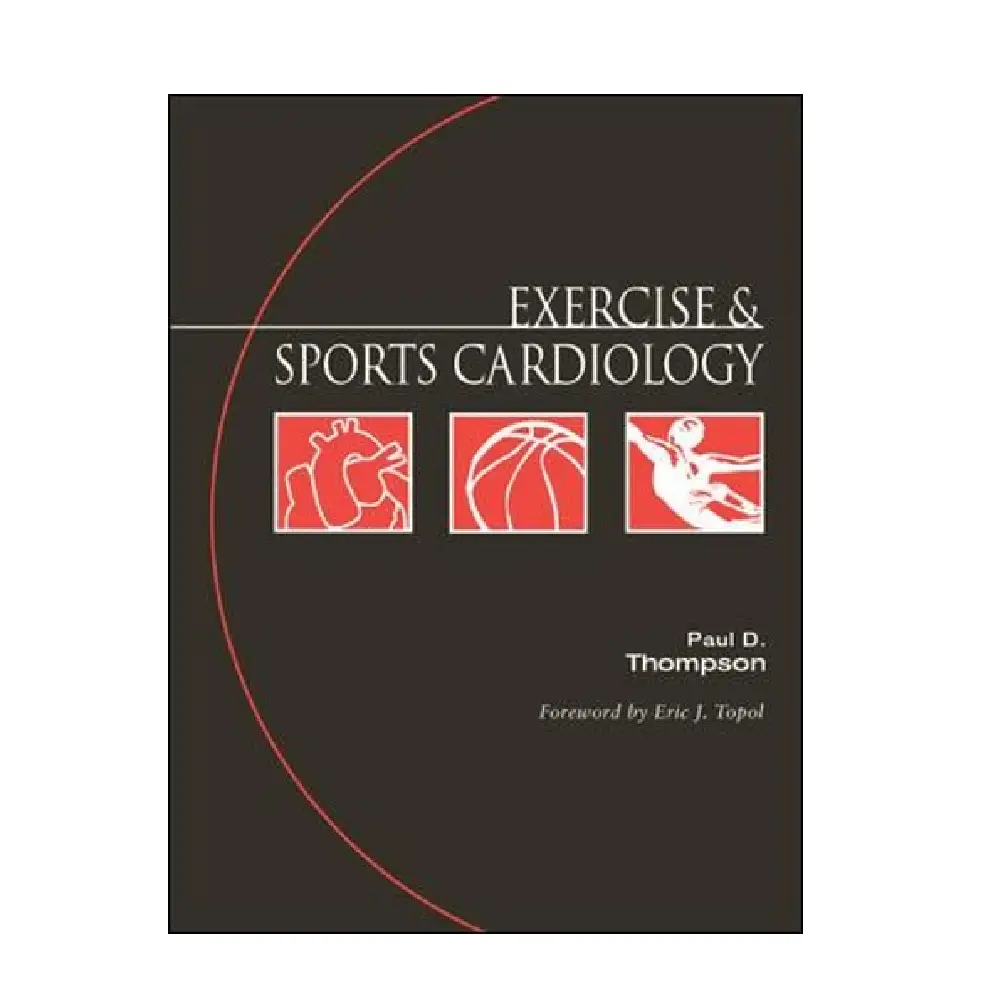

Exercise & Sports Cardiology
Exercise & Sports Cardiology is a specialized field of cardiovascular medicine that focuses on the interaction between physical activity, athletic training, and heart health. Textbooks under this title typically provide a comprehensive overview of the physiological adaptations of the heart to exercise, pre-participation screening of athletes, prevention of sudden cardiac death, and the management of cardiovascular disease in physically active individuals. The subject is increasingly important as participation in competitive sports and recreational fitness continues to grow across all age groups.
Foundations of Exercise Physiology
A major portion of the book is devoted to the cardiovascular physiology of exercise. During physical activity, cardiac output increases to meet the metabolic demands of skeletal muscles. This increase is achieved through a rise in heart rate and stroke volume. Over time, regular training produces structural and functional cardiac adaptations collectively referred to as the “athlete’s heart.”
Physiological changes may include:
-
Increased left ventricular cavity size
-
Mild wall thickening
-
Enhanced diastolic function
-
Resting sinus bradycardia
Distinguishing between normal athletic adaptations and pathological conditions such as hypertrophic cardiomyopathy is a central theme in sports cardiology.
Athlete’s Heart vs. Cardiac Disease
One of the most clinically important aspects discussed is differentiating physiological remodeling from disease. The book explores diagnostic tools such as electrocardiography (ECG), echocardiography, cardiac magnetic resonance imaging (MRI), and exercise stress testing. It provides guidance on interpreting abnormal ECG patterns commonly seen in trained athletes, helping clinicians avoid both underdiagnosis and unnecessary disqualification.
Conditions that may mimic or overlap with athletic adaptation include:
-
Hypertrophic cardiomyopathy
-
Arrhythmogenic right ventricular cardiomyopathy
-
Dilated cardiomyopathy
-
Congenital coronary anomalies
Clear diagnostic algorithms and risk assessment strategies are typically included to support clinical decision-making.
Pre-Participation Screening
Pre-participation cardiovascular screening is another cornerstone of exercise and sports cardiology. The goal is early detection of potentially fatal conditions before athletes engage in intense competition. The book reviews international screening recommendations, including history, physical examination, and ECG-based protocols.
Special attention is given to identifying risk factors for sudden cardiac death (SCD), particularly in young athletes. Warning signs such as unexplained syncope, exertional chest pain, family history of SCD, or abnormal ECG findings are emphasized.
Sudden Cardiac Death in Athletes
Sudden cardiac death, though rare, is a devastating event. The text examines its epidemiology, causes, and preventive strategies. In younger athletes, inherited cardiomyopathies and ion channel disorders are common causes, whereas in older individuals, coronary artery disease predominates.
The importance of emergency preparedness is highlighted, including:
-
Availability of automated external defibrillators (AEDs)
-
Cardiopulmonary resuscitation (CPR) training
-
Emergency response planning at sporting venues
Exercise in Patients with Cardiovascular Disease
Another major section addresses exercise prescription for patients with established cardiovascular disease. Rather than restricting all cardiac patients from activity, modern sports cardiology promotes safe and supervised participation.
The book outlines guidelines for:
-
Exercise after myocardial infarction
-
Cardiac rehabilitation programs
-
Exercise in heart failure patients
-
Participation in sports with arrhythmias or implanted devices
Risk stratification models help determine which patients may safely engage in recreational or competitive activities.
Advanced Topics
Modern texts on exercise and sports cardiology often include emerging areas such as:
-
Role of cardiopulmonary exercise testing (CPET)
-
Use of wearable heart monitoring devices
-
Effects of extreme endurance training
-
Doping and performance-enhancing substances
-
Female athlete cardiovascular considerations
-
Pediatric and masters athlete evaluation
The impact of long-term high-intensity endurance sports on myocardial fibrosis, atrial fibrillation risk, and coronary calcification is also discussed.
Clinical and Practical Relevance
The book is written for cardiologists, sports medicine physicians, team doctors, exercise physiologists, and trainees. Case-based discussions and illustrative imaging examples enhance practical learning. Algorithms and tables provide quick reference for decision-making in outpatient clinics and sports settings.
It also serves as a valuable resource for academic teaching and board examination preparation in cardiology and sports medicine.
Conclusion
Exercise & Sports Cardiology integrates cardiovascular physiology, diagnostic cardiology, and preventive medicine within the context of physical activity and athletic performance. By emphasizing early detection, risk assessment, and individualized exercise recommendations, the field promotes both optimal athletic performance and long-term cardiovascular health. As sports participation continues to rise globally, expertise in sports cardiology remains essential for ensuring safe and effective engagement in physical activity across all populations.



Reviews
There are no reviews yet