
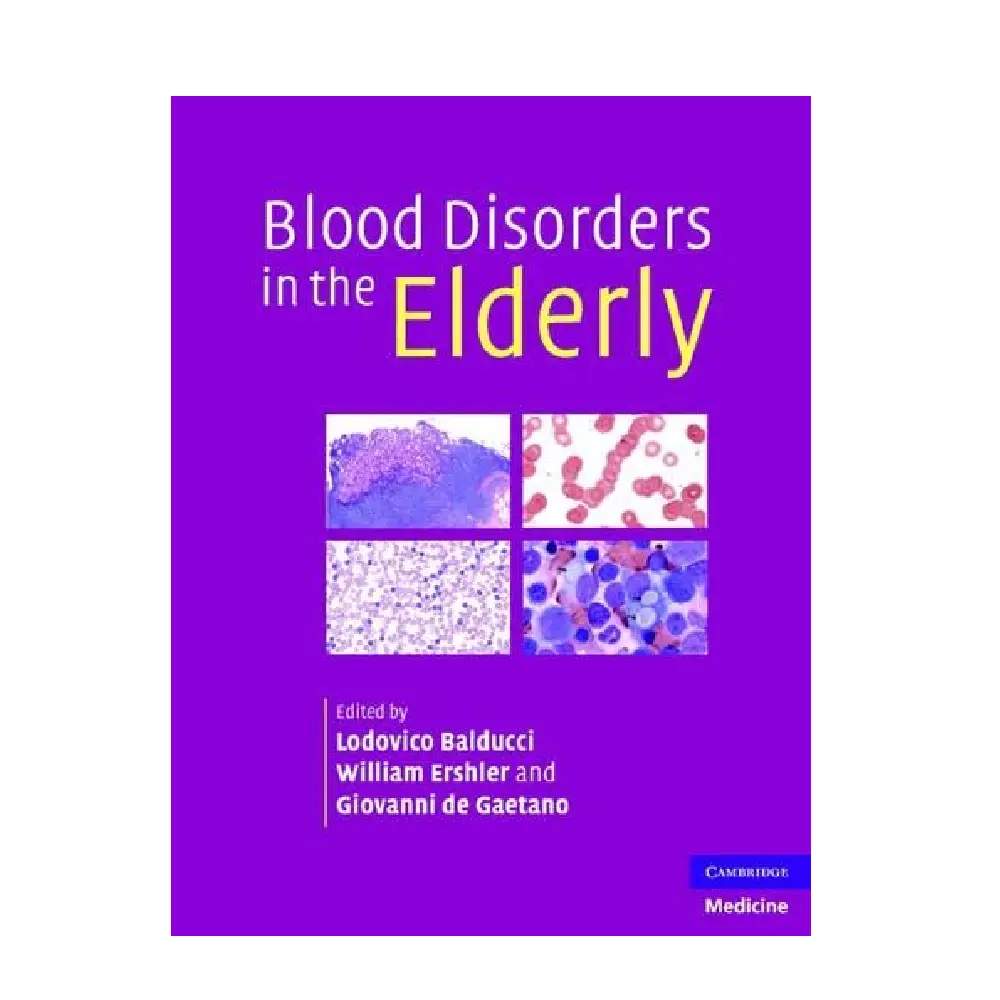

Blood Disorders in the Elderly
Blood disorders are common in the elderly and represent a significant cause of morbidity, reduced quality of life, and increased healthcare utilization. Aging is associated with physiological changes in the hematopoietic system, immune function, and bone marrow reserve, which predispose older adults to a variety of hematological abnormalities. In addition, chronic illnesses, nutritional deficiencies, medications, and malignancies further contribute to the high prevalence of blood disorders in this population. Early recognition and appropriate management are essential to improve outcomes and prevent complications.
One of the most frequent blood disorders in older adults is anemia. Anemia in the elderly is not a normal consequence of aging, although its prevalence increases with age. It is often multifactorial and may result from iron deficiency, vitamin B12 or folate deficiency, chronic kidney disease, chronic inflammation, or bone marrow disorders. Anemia can present with nonspecific symptoms such as fatigue, weakness, dizziness, shortness of breath, and reduced exercise tolerance. In older individuals, even mild anemia is associated with increased risk of falls, cognitive impairment, cardiovascular events, and mortality. Identifying the underlying cause is crucial, as treatment varies widely depending on etiology.
Nutritional anemias are particularly relevant in the elderly due to poor dietary intake, malabsorption, and medication effects. Vitamin B12 deficiency is common because of reduced gastric acid production and conditions such as atrophic gastritis. Folate deficiency may occur due to inadequate intake or chronic alcohol use. Iron deficiency anemia often results from chronic blood loss, particularly from the gastrointestinal tract, and should prompt evaluation for malignancy or other sources of bleeding.
Myelodysplastic syndromes (MDS) are clonal bone marrow disorders that occur predominantly in older adults. They are characterized by ineffective hematopoiesis leading to cytopenias such as anemia, leukopenia, and thrombocytopenia. Patients may present with fatigue, recurrent infections, or bleeding tendencies. MDS has a variable prognosis and may progress to acute leukemia in some cases. Diagnosis requires bone marrow examination, and management ranges from supportive care to disease-modifying therapies, depending on disease severity and patient fitness.
Leukemias and lymphomas are also more common with advancing age. Chronic leukemias, such as chronic lymphocytic leukemia, often present insidiously and may be detected incidentally on routine blood tests. Symptoms can include lymphadenopathy, recurrent infections, anemia, and weight loss. Treatment decisions in elderly patients must carefully balance disease control with comorbidities, functional status, and tolerance to therapy.
Plasma cell disorders, including monoclonal gammopathy of undetermined significance and multiple myeloma, occur more frequently in older individuals. These conditions can lead to anemia, bone pain, renal impairment, and increased susceptibility to infections. Early detection and monitoring are important, particularly in asymptomatic cases, to identify progression to more aggressive disease.
Bleeding and clotting disorders are another major concern in the elderly. Age-related changes in coagulation, combined with comorbid conditions such as atrial fibrillation, malignancy, and immobility, increase the risk of both thrombosis and bleeding. Thrombocytopenia may result from bone marrow disorders, medications, or immune-mediated processes, while the use of anticoagulants and antiplatelet drugs increases bleeding risk. Careful monitoring and individualized risk assessment are essential in managing these patients.
Infections and immune-related blood disorders are more prevalent due to immunosenescence, the gradual decline in immune function with age. This can lead to abnormalities in white blood cell counts and impaired immune responses. Autoimmune hemolytic anemia and other immune-mediated cytopenias may also occur and can be challenging to diagnose and treat in older adults.
Management of blood disorders in the elderly requires a comprehensive and patient-centered approach. This includes detailed clinical assessment, appropriate laboratory and bone marrow investigations, and consideration of functional status, comorbidities, and life expectancy. Treatment goals often focus on symptom relief, maintaining independence, and improving quality of life rather than aggressive disease eradication.
In summary, blood disorders in the elderly are common, diverse, and often complex. They range from nutritional anemias to malignant and bone marrow disorders, each with distinct clinical implications. Early diagnosis, careful evaluation of underlying causes, and individualized management strategies are essential to reduce complications and enhance overall health and well-being in the aging population.
Reviews
There are no reviews yet