
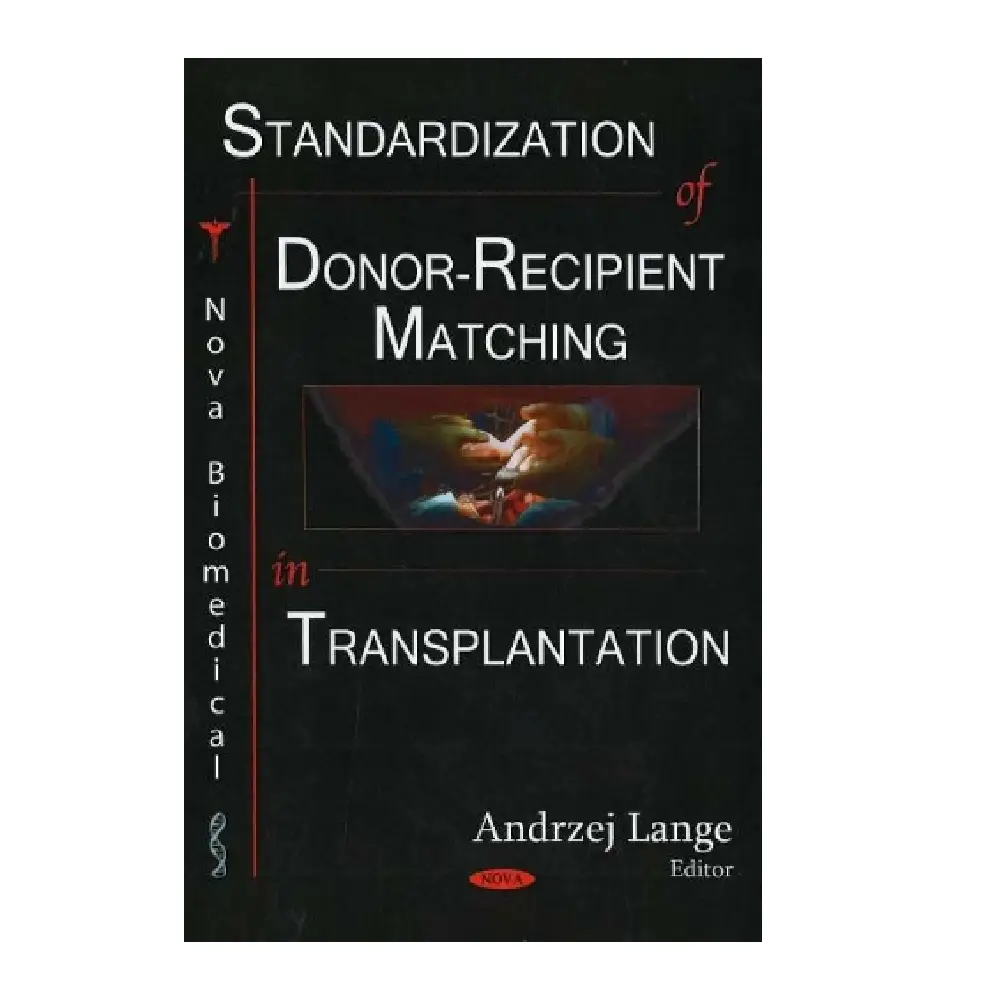


Standardization of Donor–Recipient Matching in Transplantation
Organ transplantation is one of the most successful life-saving interventions in modern medicine. However, its long-term success depends not only on surgical expertise but also on accurate donor–recipient matching. Standardization of donor–recipient matching refers to the development and consistent application of uniform criteria, protocols, and testing methods to ensure immunological compatibility, minimize rejection, and optimize graft survival. As transplantation programs expand globally, standardization has become essential for equity, safety, and reproducibility of outcomes.
Rationale for Standardization
The immune system is designed to recognize and eliminate foreign tissue. When a transplanted organ is perceived as non-self, immune responses can lead to acute or chronic rejection, graft dysfunction, and eventual graft loss. Historically, variability in testing methods, interpretation, and allocation criteria resulted in inconsistent outcomes across centers. Standardization ensures that donor–recipient matching is based on objective, validated, and reproducible parameters, reducing subjectivity and improving fairness in organ allocation.
Key Components of Donor–Recipient Matching
1. Blood Group (ABO) Compatibility
ABO blood group matching is the most basic and universally standardized criterion. Incompatible ABO transplantation can trigger hyperacute rejection due to preformed antibodies. Most solid organ transplants require ABO compatibility, although protocols for ABO-incompatible transplantation (especially in kidney and liver transplants) exist in specialized centers using desensitization strategies. Standardized blood typing methods and reporting systems are fundamental to transplant safety.
2. Human Leukocyte Antigen (HLA) Matching
HLA matching plays a central role in immunological compatibility, particularly in kidney and hematopoietic stem cell transplantation. HLAs are highly polymorphic molecules that regulate immune recognition. Standardization in HLA typing includes:
-
Use of validated molecular techniques (e.g., PCR-based methods)
-
Uniform nomenclature systems
-
Centralized or accredited laboratories
Better HLA matching is associated with improved graft survival, reduced rejection episodes, and lower immunosuppression requirements. Standardized HLA typing and reporting allow fair comparison across transplant programs.
3. Crossmatching and Antibody Screening
Crossmatching tests detect recipient antibodies directed against donor antigens. A positive crossmatch indicates a high risk of antibody-mediated rejection. Standardization includes:
-
Defined thresholds for positivity
-
Uniform testing platforms
-
Regular quality control and proficiency testing
Panel reactive antibody (PRA) and calculated PRA (cPRA) measurements are standardized tools used to assess recipient sensitization and prioritize highly sensitized patients.
Clinical and Demographic Matching Factors
Beyond immunology, standardized donor–recipient matching also incorporates clinical variables:
-
Donor age and organ quality
-
Recipient urgency and disease severity
-
Size and anatomical compatibility
-
Ischemia time considerations
Standardized scoring systems (such as organ allocation scores) balance medical urgency and expected benefit, ensuring optimal use of scarce organs. These systems reduce bias and promote transparency.
Allocation Systems and Ethical Considerations
Standardization is closely linked to ethical organ allocation. National and regional transplant organizations implement standardized allocation algorithms to ensure fairness, equity, and medical justification. These systems:
-
Minimize geographic disparities
-
Reduce waiting list mortality
-
Promote equitable access regardless of socioeconomic status
Ethical standardization also ensures informed consent, transparency in decision-making, and accountability in transplant practices.
Laboratory and Procedural Standardization
Accreditation of transplant laboratories and programs is a cornerstone of standardization. This includes:
-
Standard operating procedures (SOPs)
-
External quality assurance programs
-
Uniform reporting formats
-
Regular audits and compliance checks
Such measures reduce inter-laboratory variability and ensure consistent interpretation of immunological tests.
Impact on Outcomes
Standardized donor–recipient matching has significantly improved transplant outcomes. Benefits include:
-
Reduced rates of acute and chronic rejection
-
Improved long-term graft survival
-
Better patient survival
-
More efficient utilization of donor organs
Data registries and outcome tracking systems further support continuous refinement of matching protocols based on real-world evidence.
Challenges to Standardization
Despite progress, challenges remain:
-
Genetic diversity across populations complicates HLA matching
-
Limited access to advanced testing in resource-constrained settings
-
Differences in national regulations and healthcare infrastructure
-
Balancing strict matching with timely transplantation
Over-stringent matching may prolong waiting times, highlighting the need for flexible, evidence-based standards rather than rigid rules.
Future Directions
Advances in genomics, artificial intelligence, and immunological profiling are shaping the future of donor–recipient matching. Emerging tools include:
-
Epitope-based HLA matching
-
Non-HLA antigen assessment
-
Predictive algorithms for rejection risk
-
Personalized immunosuppression strategies
International collaboration and harmonization of guidelines will further strengthen global standardization efforts.
Conclusion
Standardization of donor–recipient matching in transplantation is a cornerstone of modern transplant medicine. By integrating immunological compatibility, clinical criteria, ethical principles, and quality assurance measures, standardized matching improves fairness, safety, and outcomes. As transplantation continues to evolve, ongoing refinement of standardized protocols—guided by scientific evidence and ethical responsibility—will remain essential to maximizing the life-saving potential of organ transplantation.



Reviews
There are no reviews yet